Exotic Pet Guide
Admin
January 27, 2026
The Ultimate Guide to Exotic Pets: Reptiles, Small Mammals, Birds & More
Your Complete Reference for Choosing, Caring for, and Cherishing Extraordinary Animal Companions — by Exotic Animals Ranch
Exotic pets are an amazing way to bring wonder, curiosity, and deep companionship into your life. From vibrant parrots chirping at sunrise to sleek snakes, nocturnal sugar gliders, curious baby hedgehogs, majestic fennec foxes, playful lemurs, and aquatic axolotls, every exotic companion brings personality and joy — provided you understand their unique needs.
This guide explores everything you need to know: how to choose the right species, set up ideal environments, feed them correctly, recognize health needs early, and enrich their lives so they thrive and bond with you.
🐾 Choosing Your Perfect Exotic Pet
Selecting the right exotic pet means matching the animal’s needs with your lifestyle and commitment level.
🧠 Key Things to Consider
Time and interaction needs
Some exotic pets like parrots or lemurs crave daily social interaction and mental stimulation, while others like snakes and axolotls are more independent but still require excellent care.
Space and habitat requirements
- Birds like parrots and crows need large cages and flight time.
- Reptiles such as bearded dragons, snakes, or tortoises demand specific temperature gradients and lighting.
- Small mammals such as hedgehogs, sugar gliders, rodents, and fennec foxes need secure, roomy enclosures with enrichment.
Care complexity and vet support
Exotics vary in how easy they are to care for. If you’re new to exotic pets, start with well-supported species and ensure access to an experienced exotic vet.
Creating a Healthy & Stimulating Home Environment
Exotic animals require habitats that closely mimic their natural ecosystems.
🌿 Reptile Essentials
Reptiles are ectothermic (cold-blooded) and depend on external heat sources to regulate their body temperature. Provide:
- A heat gradient
- UVB lighting for calcium metabolism
- Hiding spots, branches, and substrates suitable to their species
Incorrect environments can lead to shell, bone, or respiratory issues.
Examples:
- Tanks with UVB lighting for bearded dragons
- Secure, humidity-controlled terrariums for snakes like pythons
🐹 Small Mammal Comforts
Small mammals are social and active. They flourish with:
- Spacious cages
- Bedding and hiding tunnels
- Safe chew toys
Species like baby hedgehogs and sugar gliders need day-night balance, secure climbing space, and routine interaction.
🐦 Birds: Space to Fly & Learn
Birds are highly intelligent. Provide:
- Big cages with perches at several heights
- Puzzle toys and foraging opportunities
- Daily supervised out-of-cage time for flying
Parrots and larger birds like macaws require lifelong engagement and social connection.
Unique Exotics: Fennec Foxes, Lemurs & Axolotls
These species often need specialized environments beyond typical pet setups.
- Fennec foxes — Require space to dig plus social enrichment
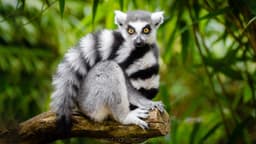
- Lemurs — Social primates that thrive with interaction and vertical space
- Axolotls — Aquatic plethodont salamanders that need clean, cool water and specific aquarium setups
Nutrition: Fueling Health & Longevity
Every exotic species has unique dietary needs — feeding the wrong foods can cause long-term harm.
🦎 Reptilian Diets
Reptiles vary widely:
- Some lizards eat insects and vegetables
- Some snakes prefer rodents
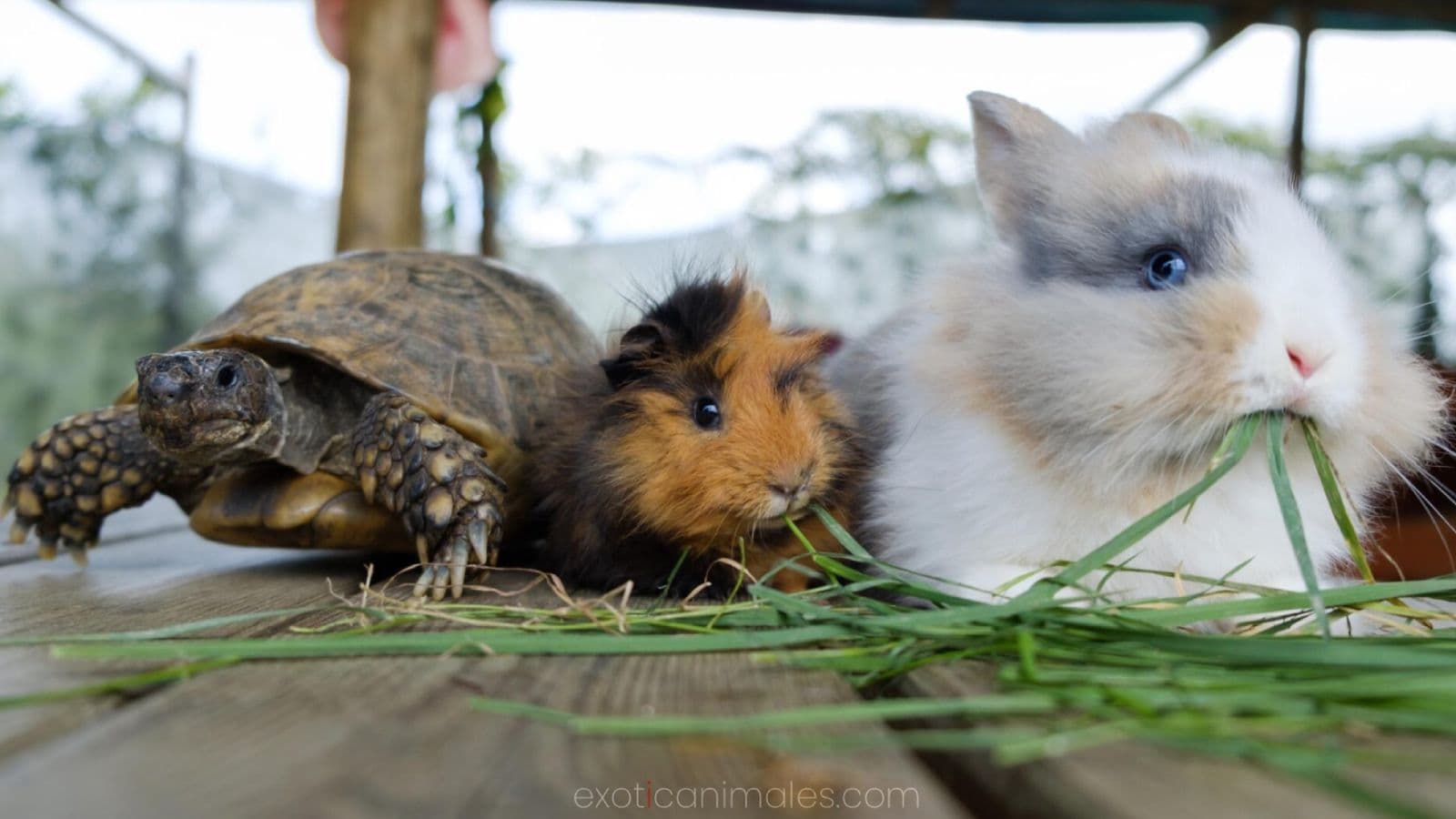
- Tortoises thrive on leafy greens
Proper calcium, phosphorous balance, and UVB exposure are essential.
🐹 Small Mammal Nutrition
- Hedgehogs need balanced insect and protein sources
- Sugar gliders require a mix of protein, fruits, and vegetables
- Rodents like hamsters and rats thrive on high-quality pellets, grains, and occasional treats
Guinea pigs require regular Vitamin C sources because they can’t synthesize it naturally.
🐦 Bird Diet Essentials
A balanced diet includes:
- High-quality pellets as the base
- Fresh fruits and veggies
- Seeds in moderation
Certain foods like chocolate and avocado can be toxic to birds.
🩺 Spotting Early Signs of Illness
Exotic pets are experts at masking illness — a survival trait from the wild.
Watch for:
- Reduced appetite
- Weight loss
- Changes in behavior
- Respiratory difficulty
- Abnormal discharge or feather loss
If you notice anything unusual, consult a vet with exotic animal experience immediately.

Enrichment: Keeping Minds Sharp & Bodies Active
Just like dogs and cats, exotic pets thrive on mental and physical stimulation.
🐍 For Reptiles
- Branches, rocks, tunnels
- Temperature shifts with access to basking spots
🐹 For Mammals
- Running wheels
- Puzzle treats
- Time outside cages in safe environments
🦜 For Birds
- Foraging toys
- Training sessions
- Social interaction with humans or other birds
Smart enrichment reduces boredom, anxiety, and destructive behavior.
Making Smart Choices
Exotic pets offer unique companionship and joy, but they also demand dedication, learning, and an investment in proper care. Some species suit beginners, while others require advanced knowledge and ongoing commitment.
No matter the animal — whether a curious parrot, a vibrant snake, a cuddly hedgehog, an acrobatic sugar glider, a sleek fennec fox, a playful lemur, an aquatic axolotl, or intelligent crow — your success as a pet owner comes down to informed preparation and ongoing care.
Exotic Animals Ranch: Here to Help
At Exotic Animals Ranch, we specialize in:
- Trusted guidance on exotic species care
- Habitat setup consultation
- Nutrition and health planning
- Ongoing support for owners at every experience level
✨ Whether you’re considering your first exotic pet or expanding your animal family, we can help you choose the right animal, set up optimal habitats, and keep your companion healthy and thriving.
Blog Categories
Exotic Pet Guide
(1)
Exotic Pet Guide
(1)
Exotic Pet Guide
(1)
Exotic Pet Guide
(1)