GFP Copper Axolotl for Sale
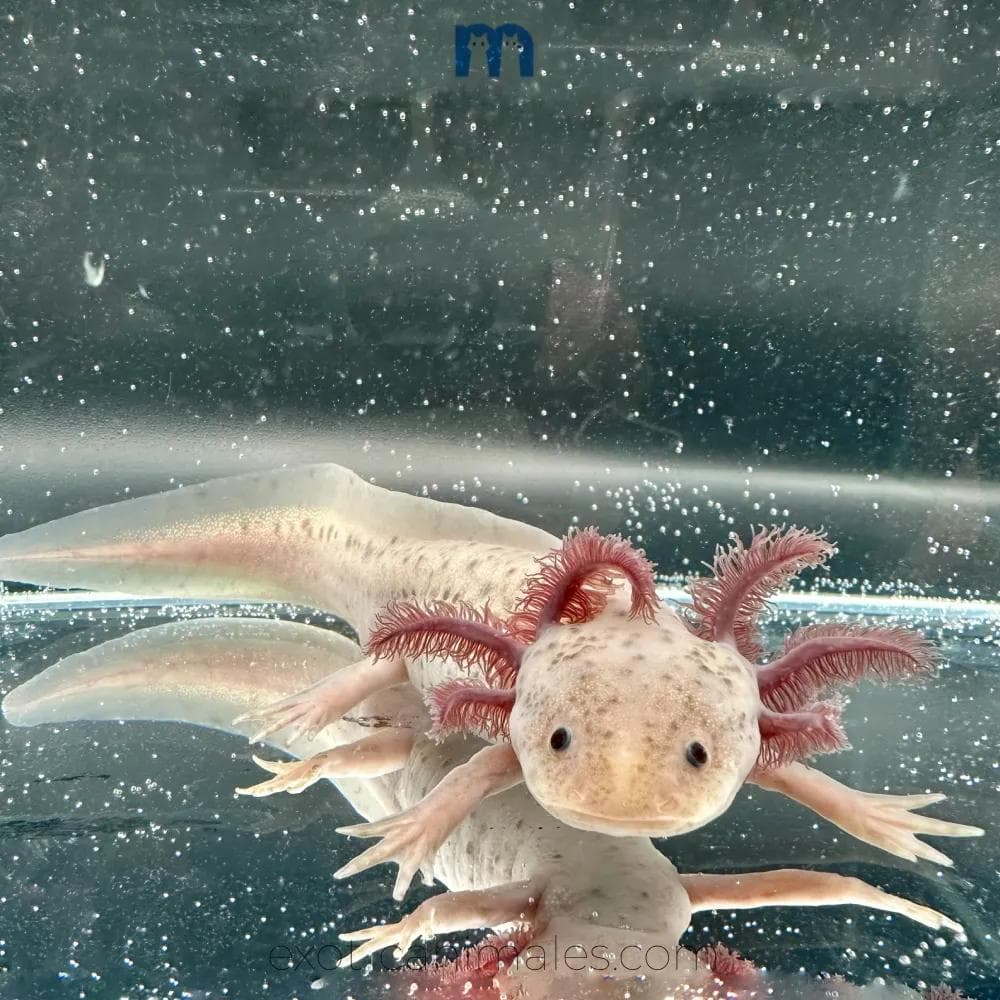
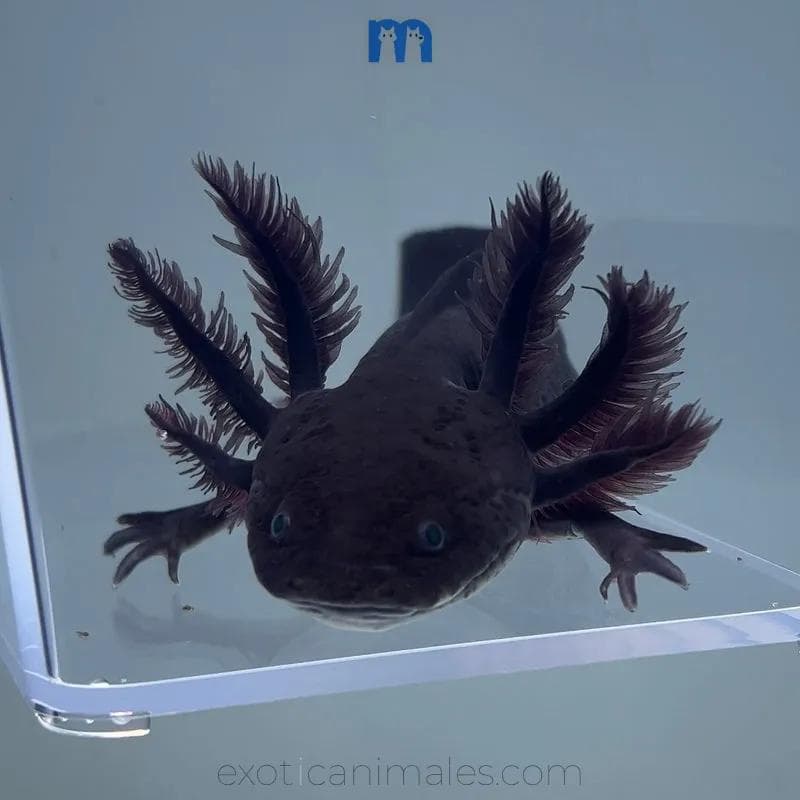
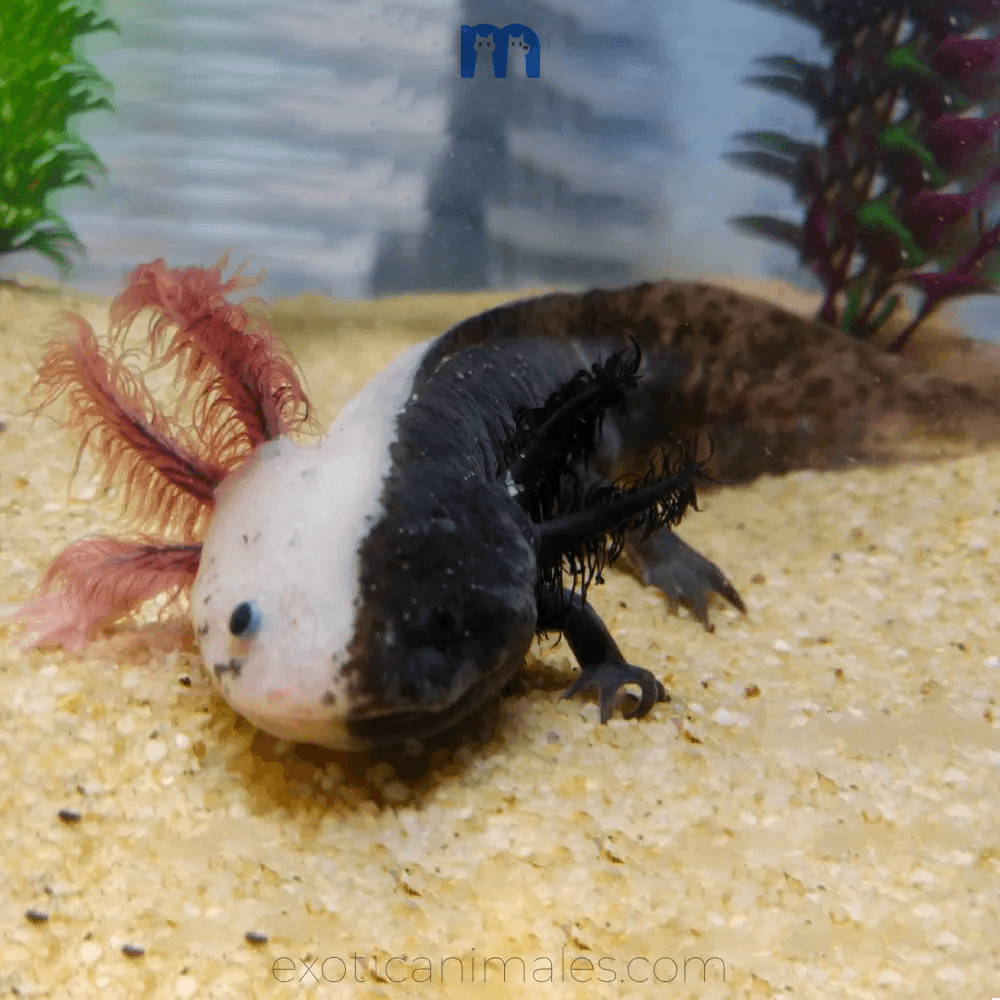
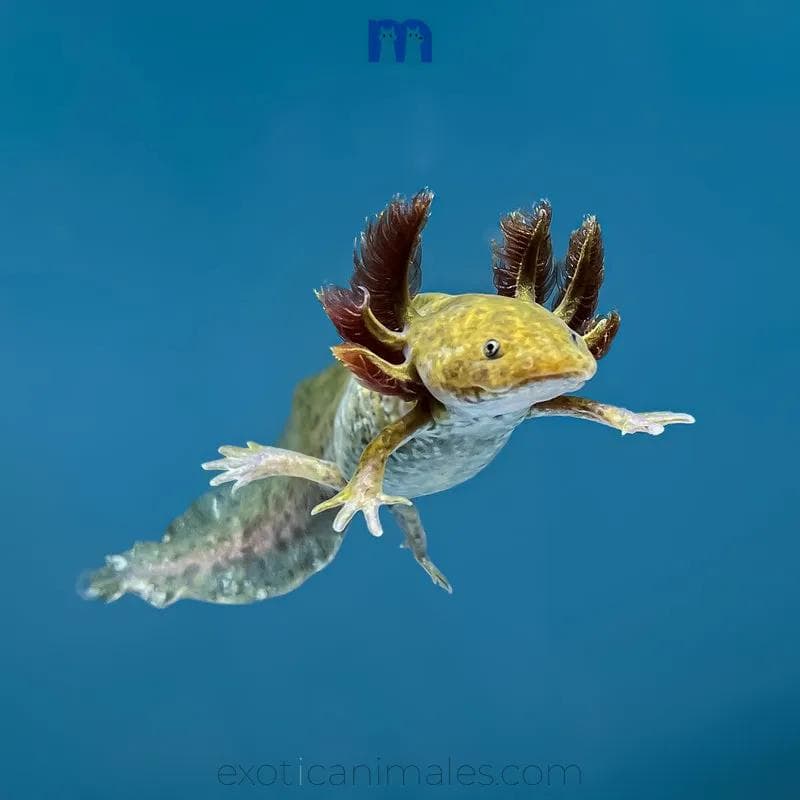
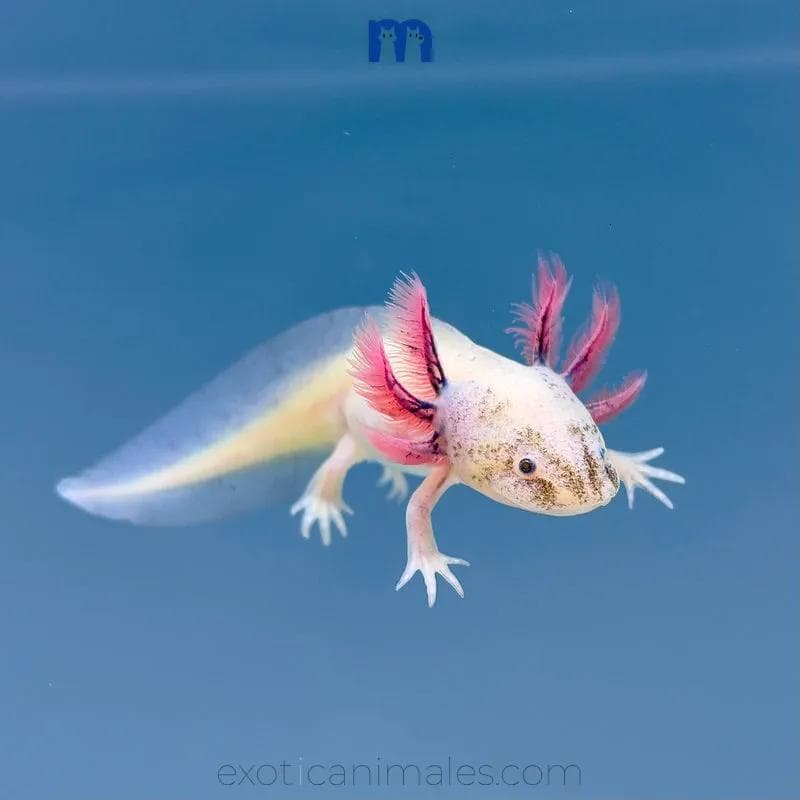
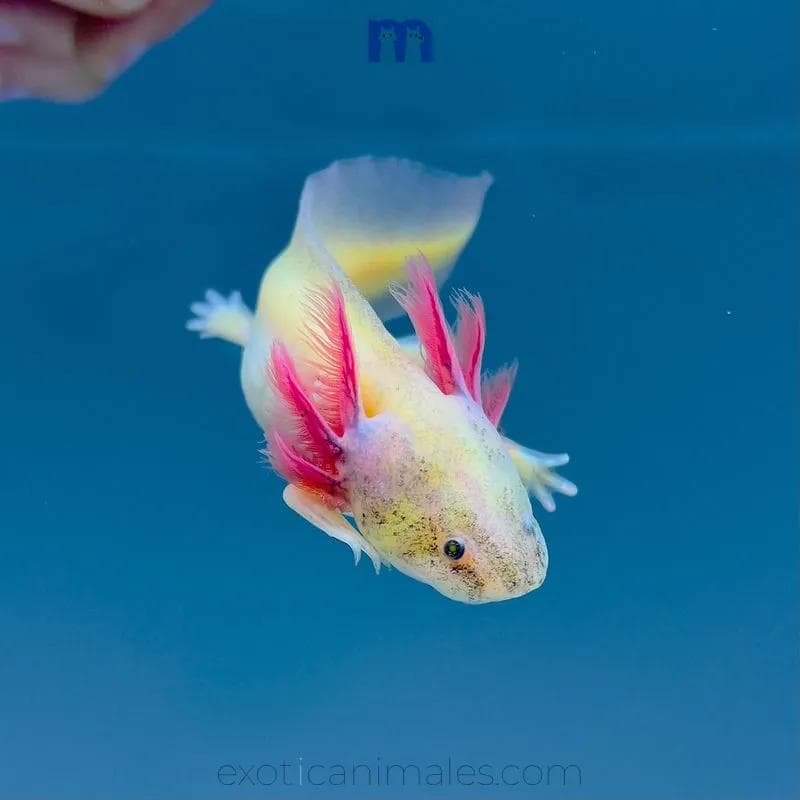
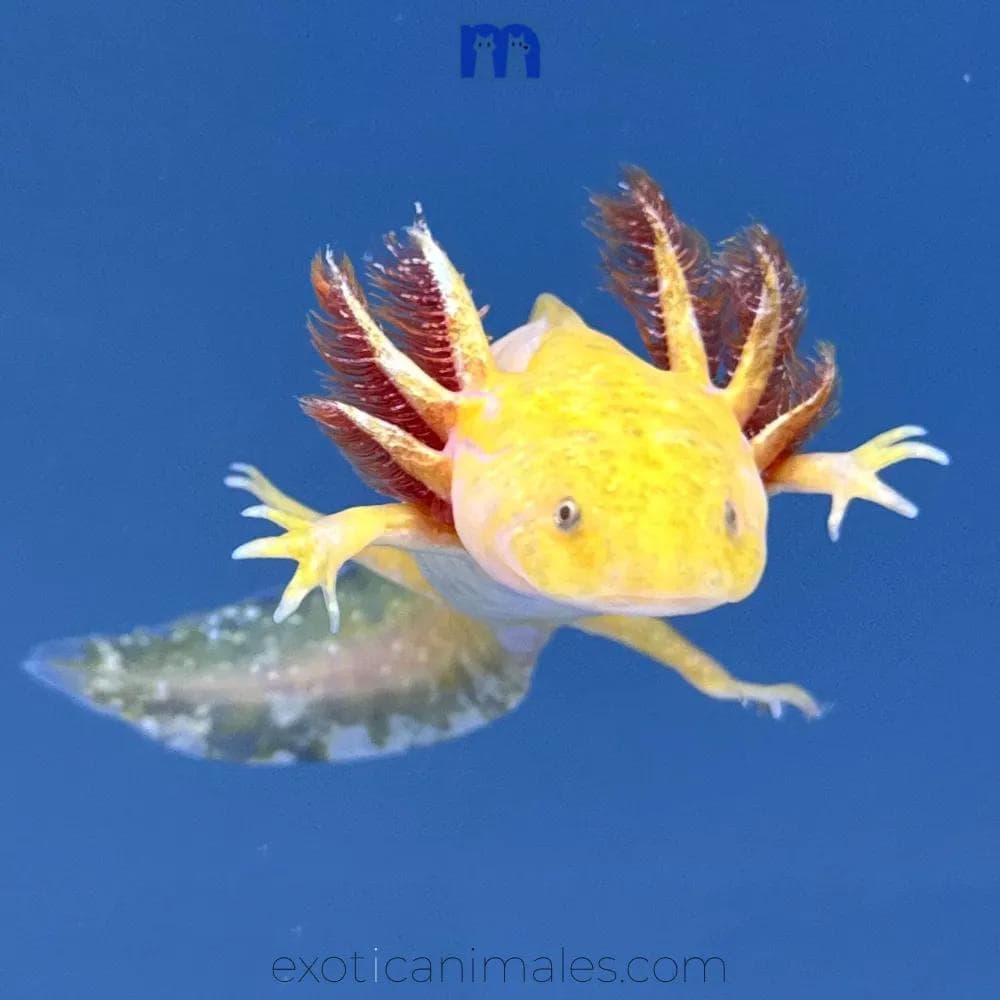
Copper axolotls are rare and beautiful morphs with subtle copper and light brown tones. On the surface, it displays the soft, shimmering coppery or light caramel hues characteristic of its morph, a result of reduced melanin and the presence of reddish pheomelanin pigment. They’re easy to care for, hardy, and a favorite among collectors.
(120)
In Stock
Free Delivery
Enter your Postal code for Delivery Availability.
Return Delivery
Free 30 days Delivery Returns. Details
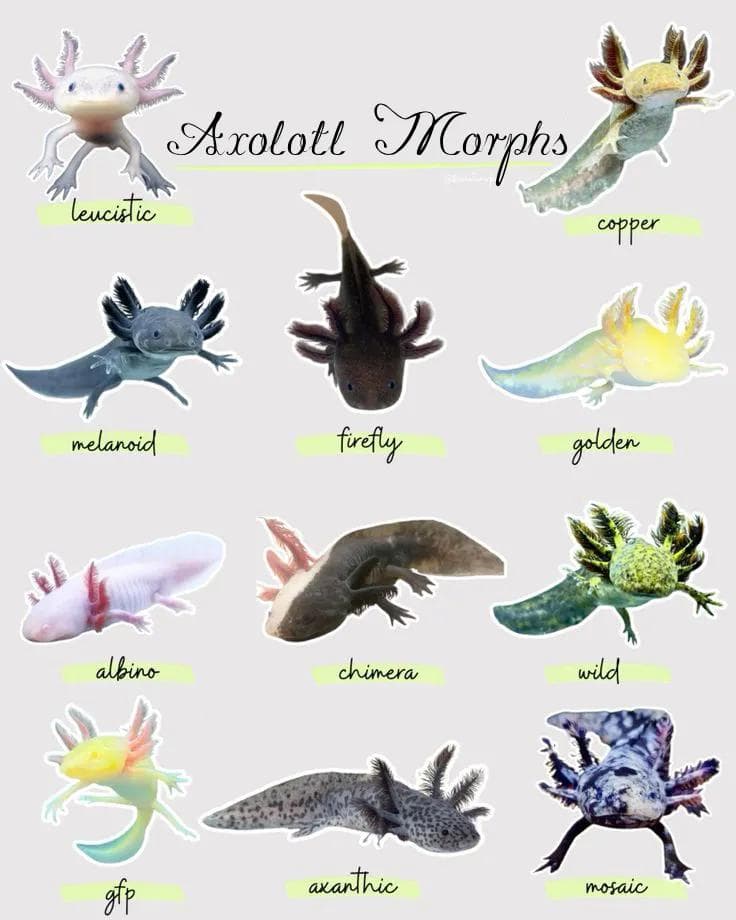
Copper Axolotls display a soft blend of brown, gray, and copper hues, often with light spotting across their bodies. This morph is considered rare and is a fantastic addition for keepers who want something more unique than common leucistic or wild morphs.
The GFP copper axolotl is a marvel of both natural coloration and scientific wonder, combining a genetic heritage that creates a stunning visual blend. Its true spectacle comes alive under a blue or UV light, where its green fluorescent protein (GFP) gene—originally derived from jellyfish—causes its body to glow with a bright, vibrant green. This creates a stunning contrast between the creature's warm, earthy tones in normal light and its otherworldly, luminous fluorescence in specialized conditions. This unique combination makes the GFP copper axolotl a rare and captivating animal, showcasing a seamless fusion of biology and artistry for the discerning aquarist. They thrive in cool aquariums and enjoy the same simple diet as other morphs. Coppers are especially popular for their soft, earthy look that stands out beautifully in aquascaped tanks.
What you need to know Before Buying an Axolotl
It’s important to understand the essentials of proper care and habitat setup. Your tank should hold at least 29 gallons for one axolotl, though a 40-gallon breeder tank is ideal. Use a gentle filter, such as a sponge filter, to prevent strong currents that can stress your pet. Keep the tank bottom bare or use very large, smooth gravel—small gravel can be accidentally swallowed and may be fatal. Maintain a water temperature between 60°F and 68°F (15°C–20°C), as higher temperatures can cause stress and illness.
Consider aquarium chillers or clip-on fans to keep the water cool. Water quality is crucial, so perform 30–50% water changes one to three times a week, ensure the tank is properly cycled, and test ammonia, nitrite, and nitrate levels regularly. Avoid using distilled water. Axolotls prefer dim environments, so use soft lighting and include plenty of hiding spots such as caves or plants to help them feel secure. They do best in species-only tanks since they may try to eat smaller tankmates or become stressed by aggressive ones. For diet, feed your axolotl a carnivorous menu consisting of earthworms, blackworms, and high-quality sinking salmon pellets to ensure balanced nutrition and health.
Fun Facts:
- Copper axolotls are the result of specific recessive genes in breeding.
- They often appear with subtle gray or tan variations, making each one unique.
- This morph is popular in both the U.S. and Europe due to its rarity.
- Juvenile coppers often darken as they age, developing richer tones.
Looking for a rare and subtle beauty in your aquarium? A copper axolotl is a perfect choice — order now or contact us for availability. Before you do, there are a few super important things you should do first:
- Purchase a properly-sized tank and all the necessary equipment for your axolotl. To learn more, read The Best Axolotl Care Guide in the World.
- Make sure you have established a healthy Nitrogen Cycle in your tank. To learn more, read How to Cycle an Aquarium.