Wild Type Axolotl for Sale
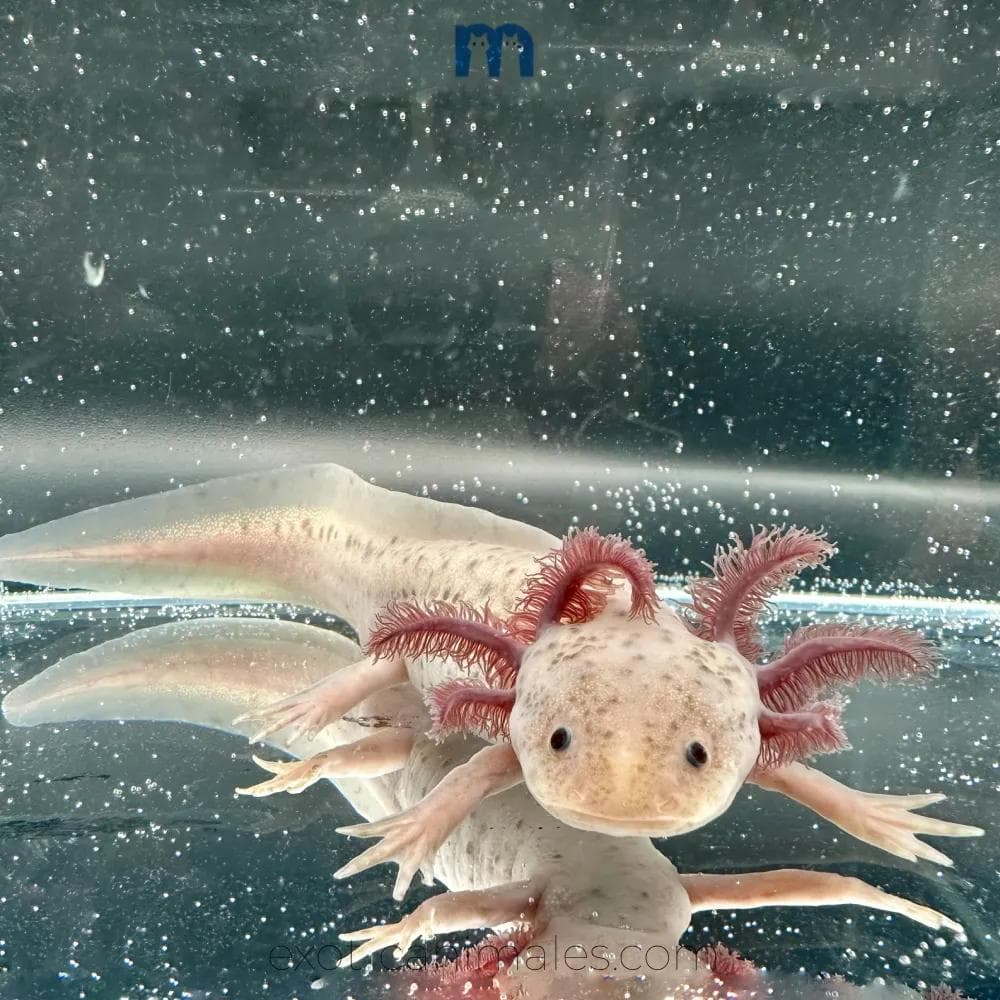
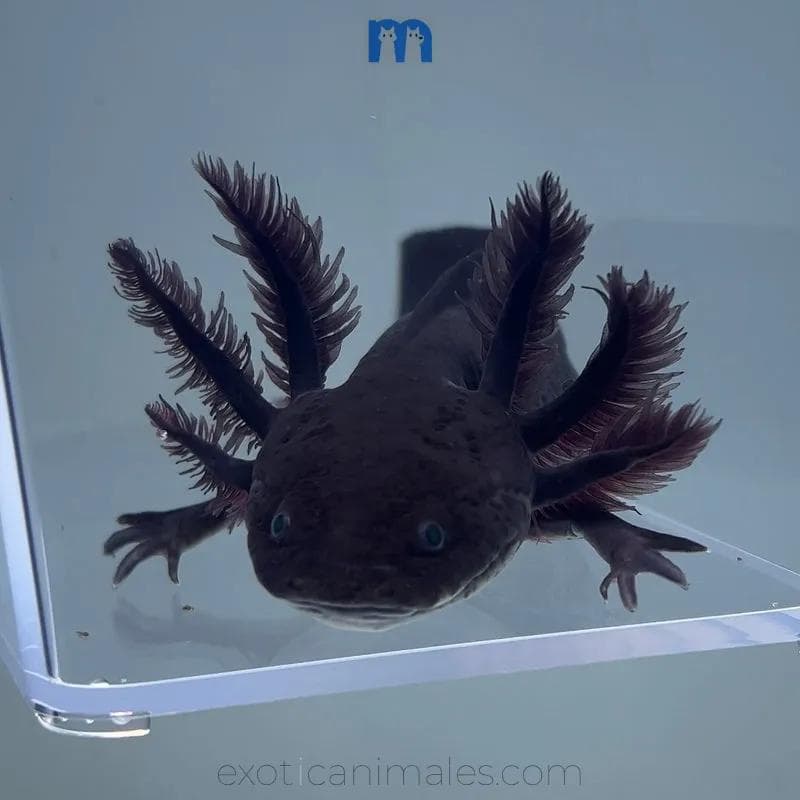
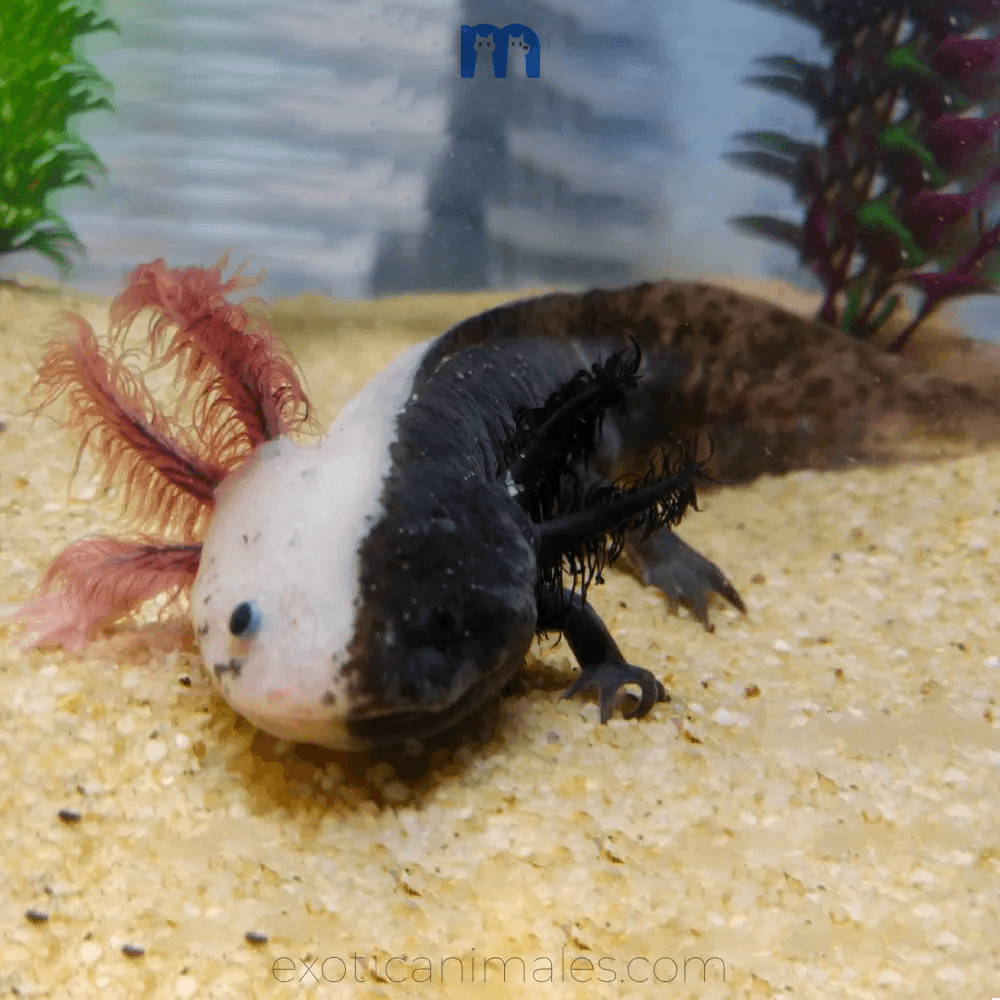
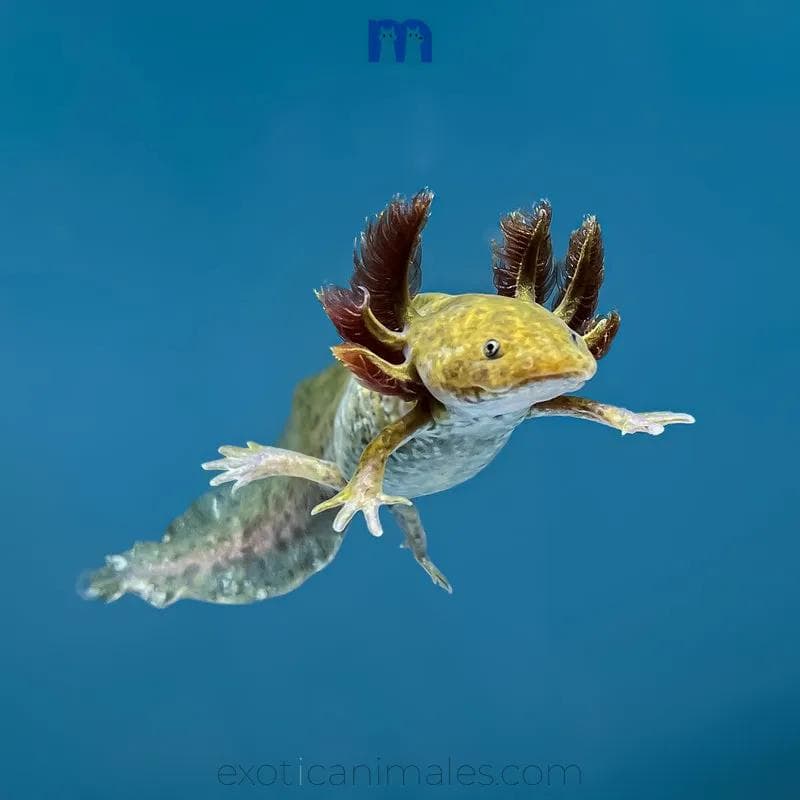
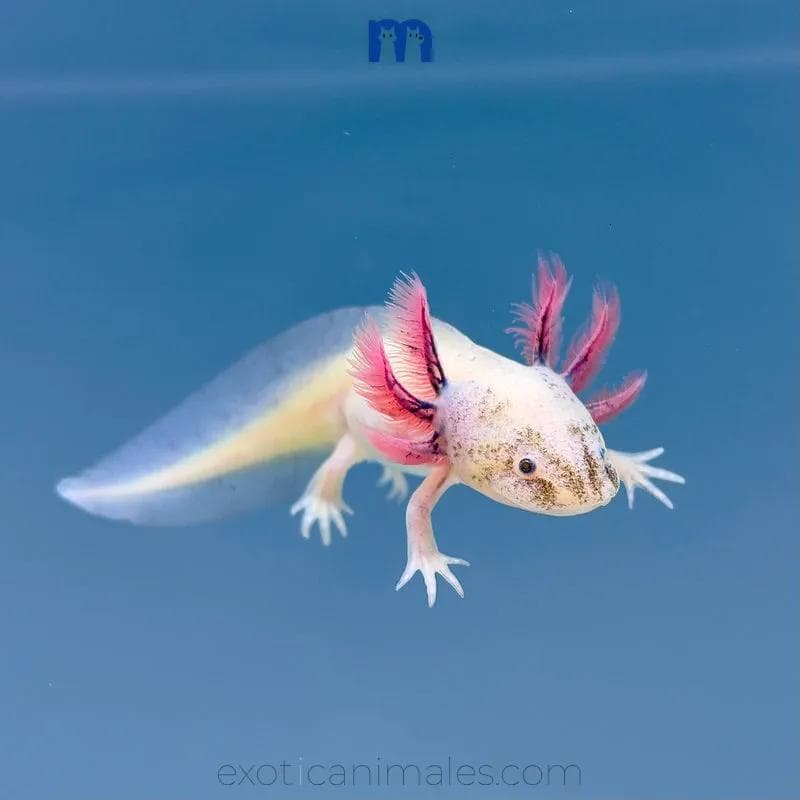
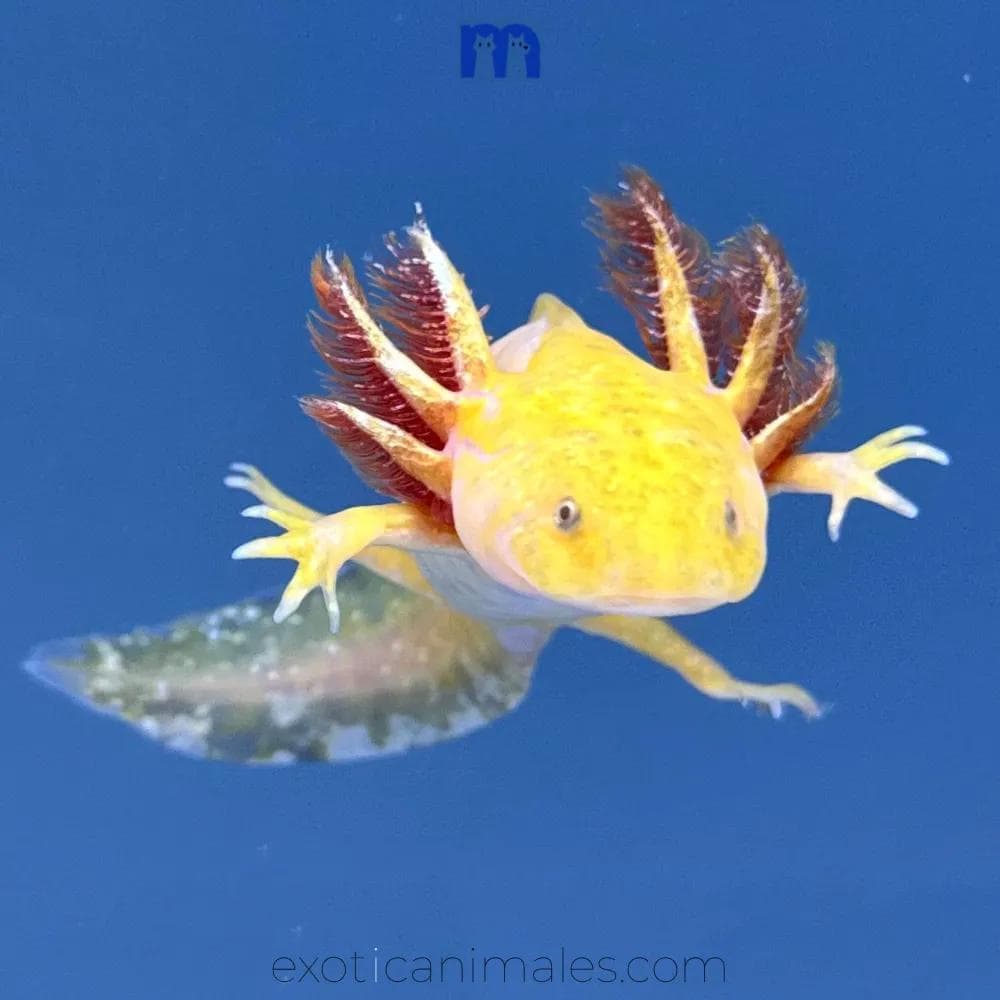
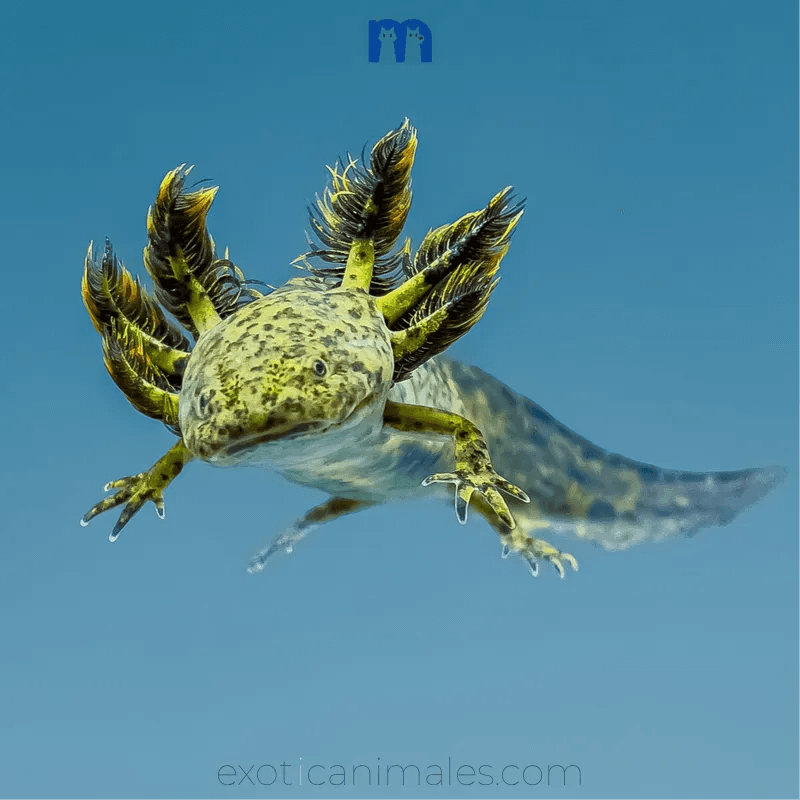
Wild type axolotls show off earthy tones of green, brown, and black speckles. They’re one of the most natural-looking morphs and a fantastic choice for hobbyists who want a classic axolotl with lots of personality. The wild type axolotl is the authentic canvas upon which all other morphs are a variation.
(120)
In Stock
Free Delivery
Enter your Postal code for Delivery Availability.
Return Delivery
Free 30 days Delivery Returns. Details
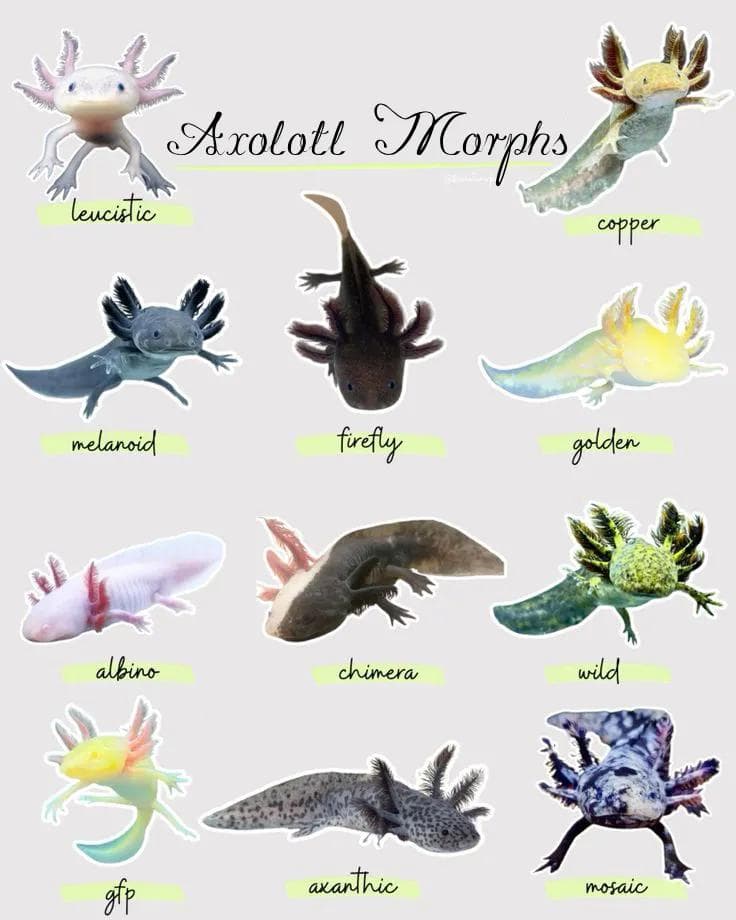
Wild Type Axolotls resemble their native wild cousins in coloration, with its earthy palette of mottled olive-brown, gray, and black, accented by a scattering of iridescent gold speckles, this morph embodies a rugged, natural beauty perfectly adapted for camouflage in its native habitat. It is this genetic heritage that makes the wild type one of the hardiest and most resilient axolotls in captivity, providing a direct, unfiltered connection to the ancestral form of this remarkable aquatic salamander. Their camouflage pattern gives them a rugged, natural appeal compared to brightly colored morphs.
They’re hardy, fun to watch, and thrive in aquariums with hides, cool water, and a varied diet. Wild types are great for keepers who want an authentic-looking axolotl that embodies the species’ original charm.
What you need to know Before Buying an Axolotl
It’s important to understand the essentials of proper care and habitat setup. Your tank should hold at least 29 gallons for one axolotl, though a 40-gallon breeder tank is ideal. Use a gentle filter, such as a sponge filter, to prevent strong currents that can stress your pet. Keep the tank bottom bare or use very large, smooth gravel—small gravel can be accidentally swallowed and may be fatal. Maintain a water temperature between 60°F and 68°F (15°C–20°C), as higher temperatures can cause stress and illness.
Consider aquarium chillers or clip-on fans to keep the water cool. Water quality is crucial, so perform 30–50% water changes one to three times a week, ensure the tank is properly cycled, and test ammonia, nitrite, and nitrate levels regularly. Avoid using distilled water. Axolotls prefer dim environments, so use soft lighting and include plenty of hiding spots such as caves or plants to help them feel secure. They do best in species-only tanks since they may try to eat smaller tankmates or become stressed by aggressive ones. For diet, feed your axolotl a carnivorous menu consisting of earthworms, blackworms, and high-quality sinking salmon pellets to ensure balanced nutrition and health.
Fun Facts:
- Wild types are the most genetically diverse morphs, often showing unique speckling.
- Axolotls are critically endangered in the wild, but thrive in captivity.
- Their name “axolotl” comes from the Aztec word meaning “water dog.”
- Wild types often appear darker under low light, making them great for naturalistic tanks.
Want to bring home a golden treasure? Get a classic wild type today and enjoy the original axolotl experience. For care tips or availability, contact us. Before you do, there are a few super important things you should do first:
- Purchase a properly-sized tank and all the necessary equipment for your axolotl. To learn more about this, read The Best Axolotl Care Guide in the World.
- Make sure you have established a healthy Nitrogen Cycle in your tank. To learn more about the nitrogen cycle, read our guide How to Cycle an Aquarium.