
Bioactive Terrarium Clean-Up Crew Insects
A bioactive enclosure is not just soil and plants — it is a living ecosystem. The clean-up crew is what transforms a decorative enclosure into a self-sustaining biological machine. In this guide, we explore the microfauna responsible for breaking down waste, preventing mold, and maintaining ecological balance.
What Makes a Bioactive Enclosure Truly Bioactive?
The defining difference between a naturalistic enclosure and a bioactive enclosure is the presence of living decomposers. While naturalistic setups may look realistic, bioactive systems function as miniature ecosystems.
The clean-up crew consists of small invertebrates that live primarily within the substrate. Their role is to break down organic waste — including reptile feces, urates, shed skin, dead plant matter, and uneaten food.
Without these organisms, waste accumulates, mold proliferates, and soil quality deteriorates. With them, nutrients are recycled back into the substrate, plants remain healthy, and harmful buildup is minimized.
Two primary organisms form the foundation of nearly every bioactive system: springtails and isopods. Though small, their ecological importance cannot be overstated.
Springtails: The Mold Managers
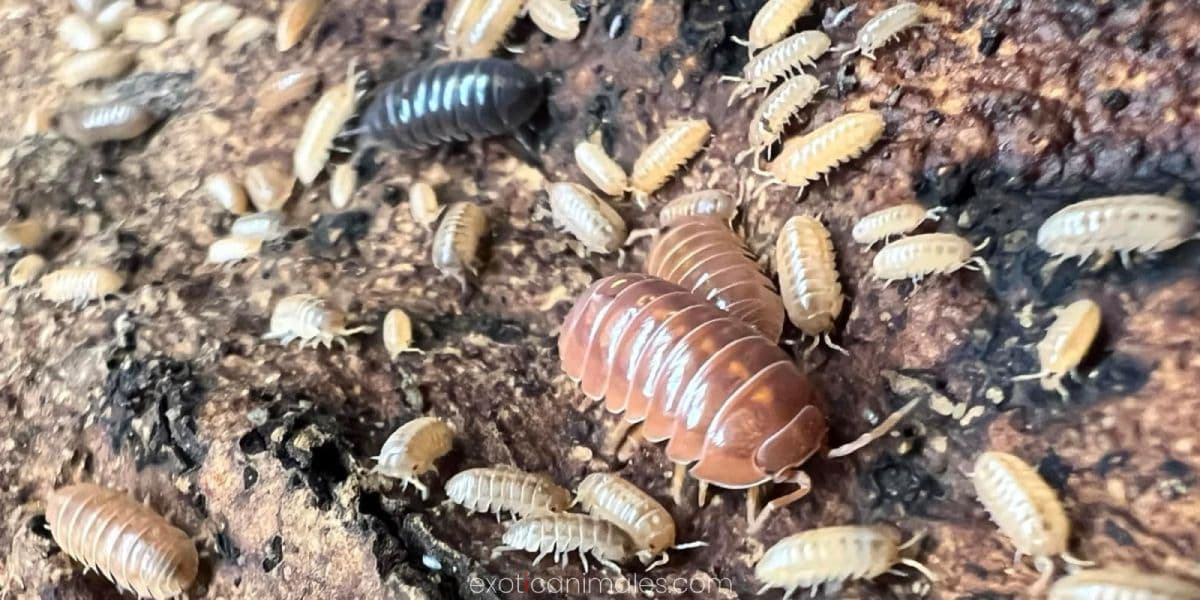
Isopods: The Waste Processors
Moisture: The Foundation of Microfauna Survival
Why Springtails & Isopods Work So Well Together
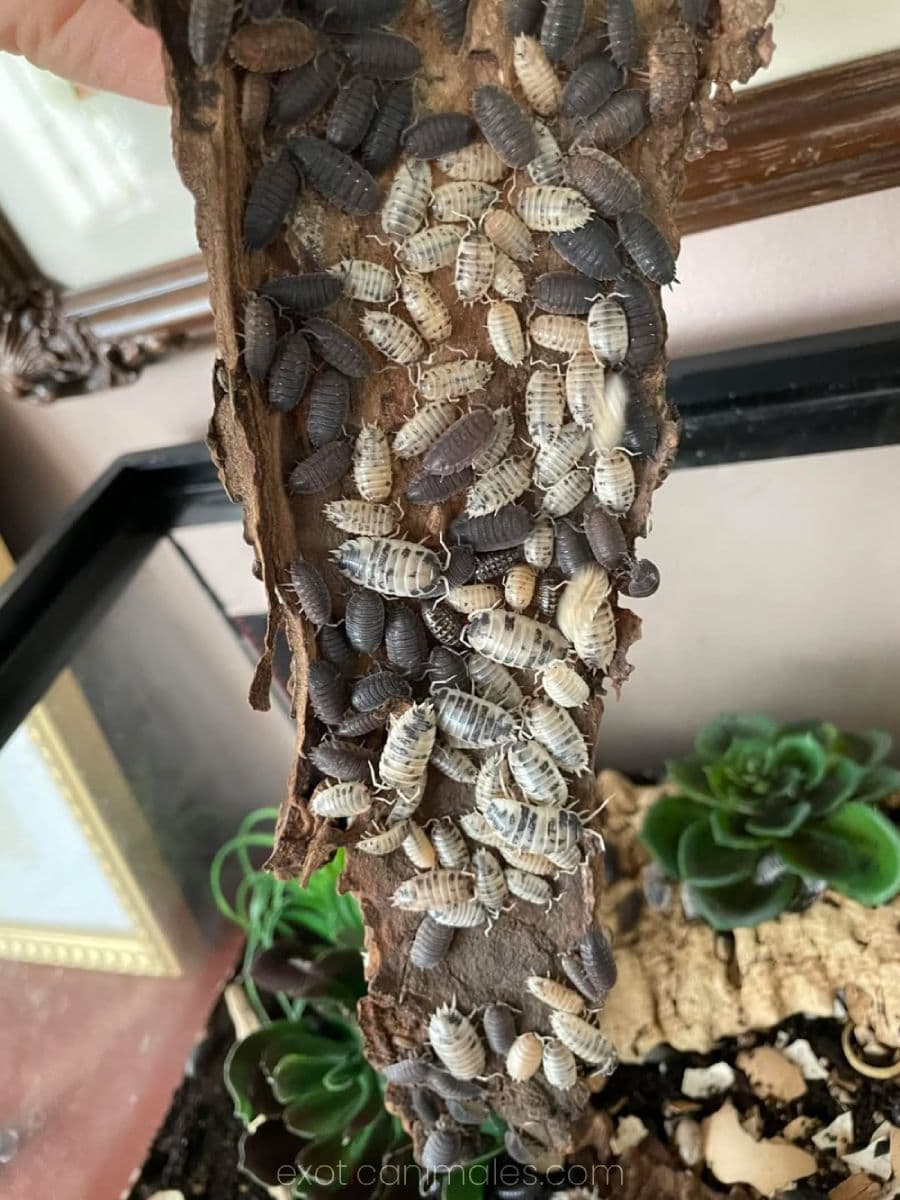
- Springtails consume mold and microscopic fungi.
- Isopods process larger waste particles.
- Isopod activity creates moist conditions springtails prefer.
- Springtails prevent mold from overtaking damp areas.
- Together they recycle nutrients back into the soil.
- Both populations self-regulate based on available resources.