
Core Elements of a Bioactive Enclosure
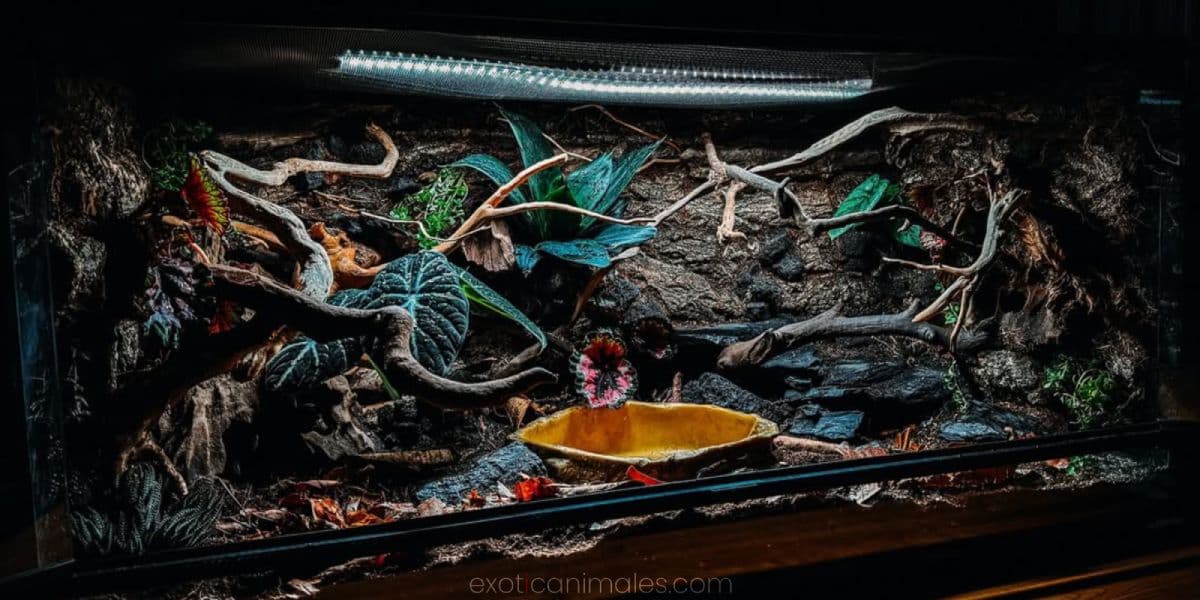
A successful bioactive enclosure is not decoration — it is engineered ecology. Every layer, organism, and design decision contributes to a balanced micro-ecosystem. In this guide, we break down each core component and explain how they work together to create a self-sustaining habitat.
Understanding the Bioactive Framework
A bioactive enclosure is built on a simple but powerful principle: biological balance. The enclosure itself, the layered substrate, living plants, clean-up crew, lighting, heating, hardscape, and the reptile all function as interdependent parts of one living system.
Unlike sterile enclosures, bioactive systems rely on nutrient cycling. Animal waste is broken down by microorganisms and invertebrates, converted into usable nutrients, absorbed by plants, and reintegrated into the soil. This closed-loop system reduces manual cleaning, stabilizes humidity, and encourages natural behaviors like burrowing, foraging, and thermoregulation.
While the principles covered in this guide are foundational, every species has unique environmental requirements. Always research the specific humidity, temperature, and substrate needs of your reptile before finalizing your design.
The Layered Substrate System: Foundation of Life
The most critical component of any bioactive enclosure is the layered substrate system. Nearly every biological process — humidity regulation, plant health, microbial colonization, and clean-up crew survival — depends on the substrate functioning properly.
A well-designed substrate consists of three primary zones: the Drainage Layer, the Base Substrate Layer, and the Leaf Litter & Moss Layer. Each serves a specific ecological purpose, and removing one often destabilizes the system.
The thickness and composition of these layers may vary depending on whether the enclosure is designed for tropical, temperate, or arid species. Understanding how these layers interact is the key to long-term bioactive success.
Drainage Layer & Optional Barrier
Base Substrate Layer
Leaf Litter & Moss Layer
Humidity Strategy & Moisture Control
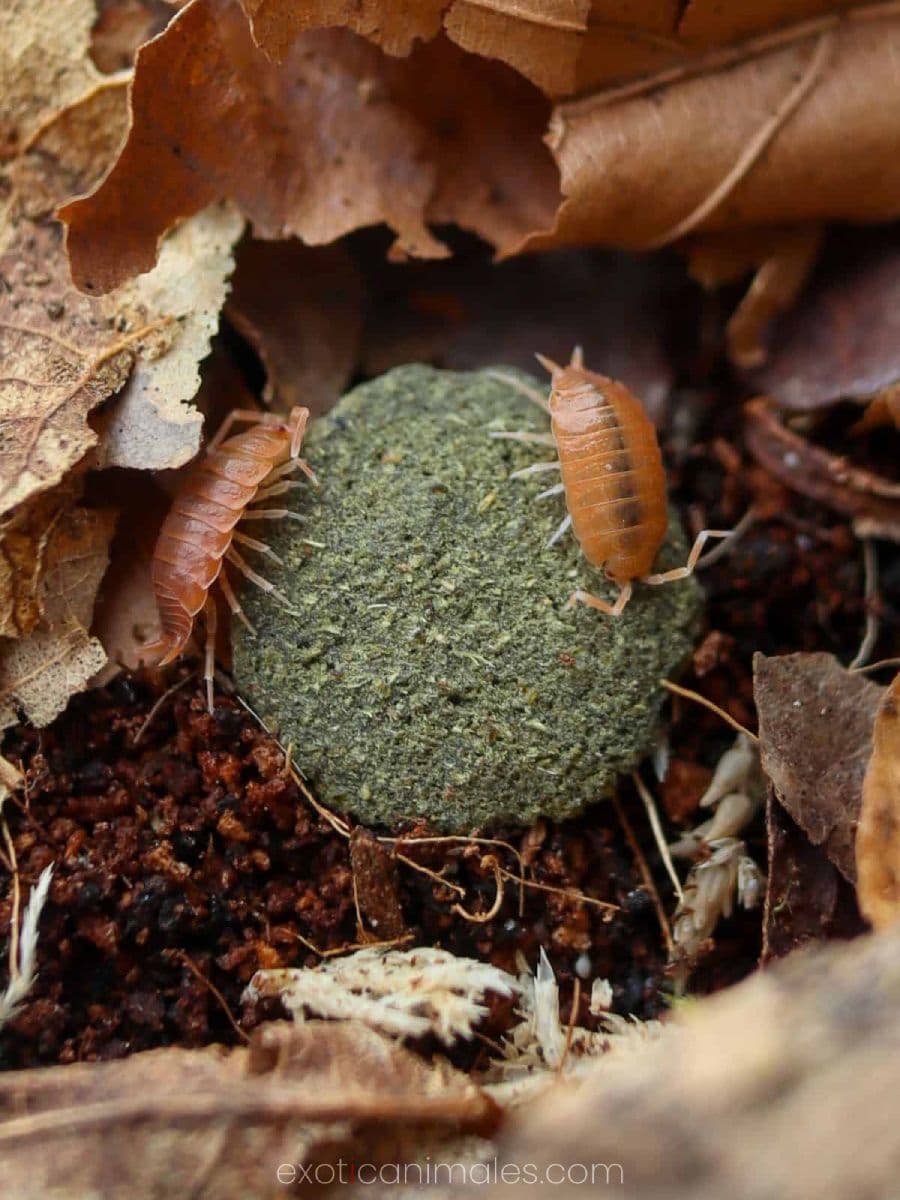
The Clean-Up Crew: Engine of Sustainability
Essential Living Components
- Live Plants: Absorb nitrogenous waste, strengthen soil structure, improve oxygen exchange, and provide enrichment.
- Springtails: Mold-consuming microfauna that regulate fungal outbreaks and thrive in moist substrates.
- Isopods: Detritovores responsible for breaking down feces, shed skin, and decomposing plant matter.
- Beneficial Bacteria & Fungi: Invisible microbial workforce that completes nutrient cycling.
- The Reptile: The primary nutrient input source and behavioral centerpiece of the ecosystem.
Structural & Environmental Elements
- Full-Spectrum Lighting: Supports plant photosynthesis and establishes circadian rhythm.
- Heat Sources: Overhead heating promotes natural thermoregulation and proper soil warmth.
- Branches & Cork Bark: Provide climbing, shelter, and hiding zones for both reptile and isopods.
- Rocks & Hardscape: Assist in basking opportunities and add thermal mass stability.
- Proper Ventilation: Balances humidity while preventing stagnant air buildup.