Adoption background

Axolotl Morphs

The best morph collection of Axolotls for sale from USDA-licensed breeders delivering rare water-dragons nationwide in the US & Canada. Rescue unique leucistic, copper, melanoid, to mosaic axolotls ethically sourced for collectors and first-time owners.
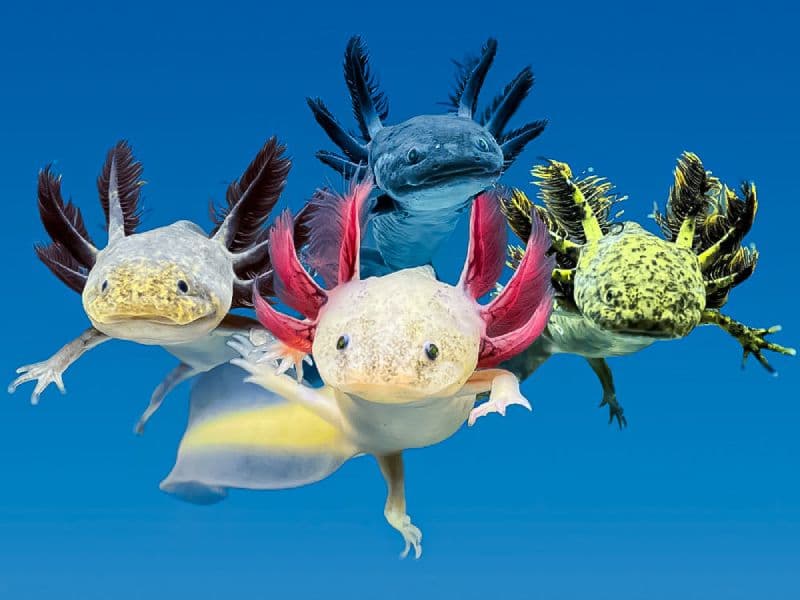
Axolotl Morphs Available For Adoption

Available
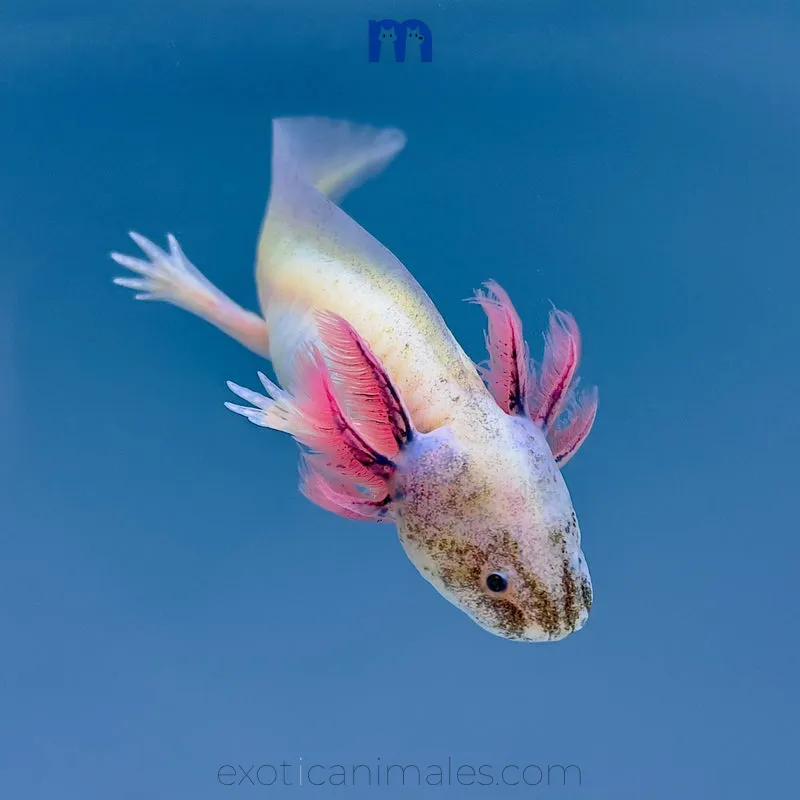
Leucistic Axolotl

Leucistic Axolotl

Bright white morph with pink gills, perfect for home aquariums.

Vet CheckedBeginner Friendly
$149.99
Sold Out
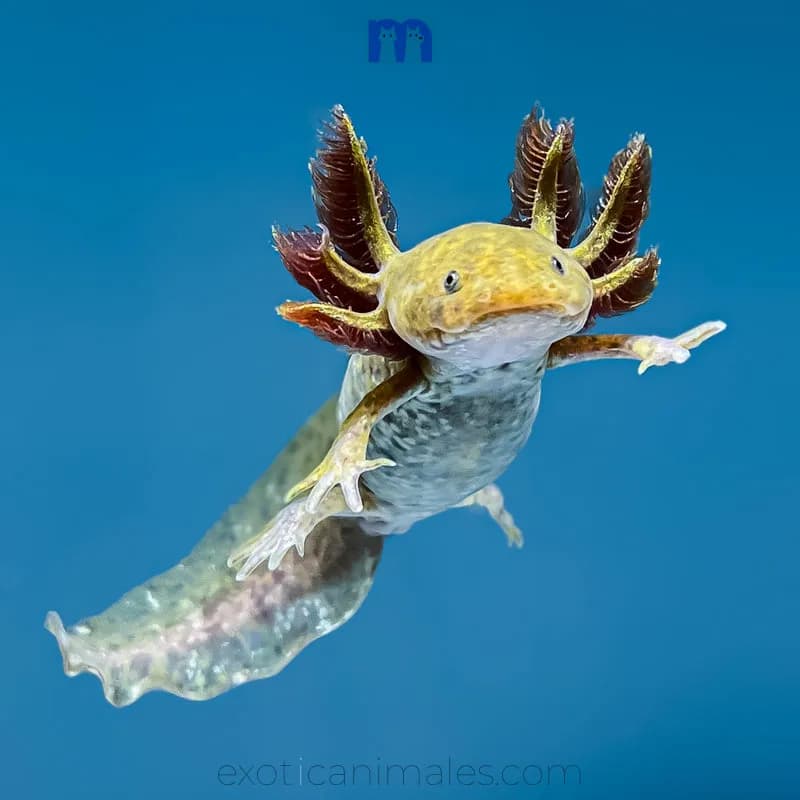
Copper Axolotl

Copper Axolotl

Vibrant copper morph, active and easy to care for.

Vet CheckedRare Morph
$159.99

What are Axolotls

Axolotls (Ambystoma mexicanum), also known as 'Mexican walking fish', are unique aquatic salamanders native to the lake complexes of Mexico City. Unlike most amphibians that undergo metamorphosis to live on land, axolotls exhibit neoteny, meaning they retain juvenile traits—such as feathery external gills and a finned tail—throughout their entire lives while living underwater. They have extraordinary regenerative abilities, capable of perfectly regrowing lost limbs, hearts, spinal cords, and even parts of their brains without scarring. While they are highly popular as exotic pets and vital to scientific research, they are critically endangered in the wild due to habitat loss and pollution, with fewer than 1,000 left in their native canals.

Axolotl Care & Adoption Guide

Axolotls are unique, fully aquatic salamanders known for their permanent larval state and remarkable regenerative abilities. Providing a home for these 'walking fish' requires a commitment to maintaining cool water temperatures and a high-protein diet of earthworms and specialized pellets. With proper care, an axolotl can live between 12 and 15 years and grow to a length of 9 to 18 inches. Axolotls are strictly carnivorous and require a meat-based diet, often swallowing food whole rather than chewing. These amphibians are highly sensitive to water quality and temperature, requiring stable, cool conditions to thrive. Hatchling and baby axolotls have different dietary needs, often requiring live food like brine shrimp due to their small size.

Nationwide Transport Available! Local Pickup in Liberty Hill, TX.

We offer safe, temperature-controlled shipping to all mainland U.S. states where these unique aquatic salamanders are legal. To protect local ecosystems, axolotls are currently illegal to own or import in: California, Maine, New Jersey, and Washington D.C. Additionally, states like New Mexico and Hawaii require special permits that we can facilitate.

All of our axolotls for sale are captive-bred with a focus on strong genetics, vibrant health, and stunning color morphs. From classic Wild types to striking Lucys and Albinos, every 'water dragon' at E.A. Ranch is raised with meticulous care. Because they are sensitive to water quality, we ensure our juveniles are robust and well-started before they're adopted'. Every purchase includes a starter pack of high-protein sinking pellets and a lifetime of breeder support to help you with proper axolotl care.
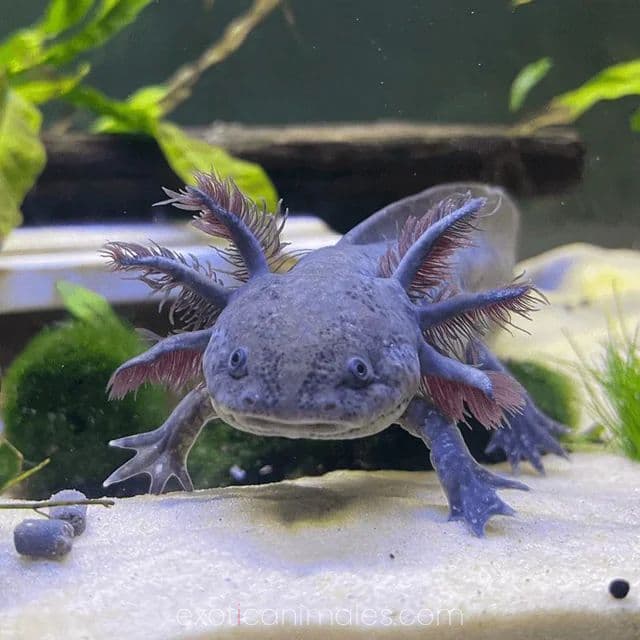
Axolotl Morphs

Interested in Adopting Axolotl Morphs from E.A Ranch?

Please read our pet care guide carefully before proceeding.

Adoption is open to individuals who have researched the specific nitrogen cycle requirements of aquatic habitats. Because axolotls can live up to 15 years, potential owners must be prepared for a long-term commitment. We prioritize adopters who understand that axolotls are 'display pets' and should not be handled, as their skin is extremely delicate and protected by a sensitive slime coat.
The process begins with an application to ensure your habitat is ready. A successful adoption typically requires proof of a 'cycled' tank—meaning the water has the beneficial bacteria necessary to process waste. Once the environment is verified as safe and cool, we coordinate the safe transport of your new companion.
Axolotls make excellent pets for those who enjoy observing unique biological behaviors. They are quiet, do not require UV lighting, and have distinct personalities. However, they are not suitable for those looking for a pet to hold or play with. Their environment requires weekly water changes and consistent monitoring of parameters like ammonia and nitrites.
The initial cost of an axolotl usually ranges from $40 to $300 depending on the morph, but the primary investment lies in the habitat. A 20-gallon long or 29-gallon tank, high-quality filtration, and cooling fans or chillers can cost between $200 and $500. Monthly costs for food (earthworms/pellets) are relatively low, typically under $20.
We offer starter kits that include essential components like the aquarium, stand, lights, filtration, and thermometers to set up a tank. While the initial setup is crucial, additional supplies like specialized filters, water testing kits, and cooling equipment may be necessary depending on the environment and desired tank size, which should be a minimum of 20 gallons long or preferably a 40-gallon breeder.
Axolotls should be fed a variety of protein-rich foods. Adult staples include:
  • Nightcrawlers/Earthworms: The most nutritionally complete option.
  • Soft Pellets: Specifically formulated for axolotls.
  • Occasional Treats: Bloodworms or brine shrimp (best for juveniles).
Axolotls come in various "morphs" or color variations. Common types include:
  • Wild Type Morphs: Dark brown, grey, or black with iridescent specks, designed for camouflage.
  • Leucistic Morphs: Translucent white skin with pink gills and black eyes.
  • Albino Morphs (White/Golden): Lack melanin; white or golden skin with pink eyes and gills
  • Copper Morphs: Light brown or tan with orange/red eyes and copper-toned spots.
  • Melanoid Morphs: Extremely dark, often solid black, lacking iridophores.
  • GFP (Green Fluorescent Protein): A genetic trait (not a color morph) that causes the axolotl to glow under black light.
  • Availability changes frequently, thus submitting a request does not guarantee adoption.
  • Solitary Sweethearts: Unlike many exotic pets, axolotls are perfectly content—and often safer—living a solitary life. While they can be housed together in very large tanks once they reach maturity, they are known to "nip" at each other's gills and limbs when young or crowded. For this reason, we recommend starting with a single axolotl to ensure a stress-free environment for your new friend.
  • Tank Size: Start with at least a 20-gallon long aquarium for one adult.
  • Temperature Control: Keep water between 60°F and 68°F; temperatures above 72°F can cause heat stress and fungal infections.
  • Legal Check: Ensure axolotls are legal in your state (they are currently restricted in California, Maine, New Jersey, and D.C.).
  • Feeding Schedule: Feed adults every 2-3 days; juveniles require daily feeding.
A critical warning for all owners: Never use gravel or small stones in an axolotl tank. Axolotls feed by suction and will accidentally inhale substrate. Gravel causes life-threatening intestinal impactions. Use fine aquarium sand or leave the tank bottom bare for safety.