Adoption background

Ring-Tailed Coatis

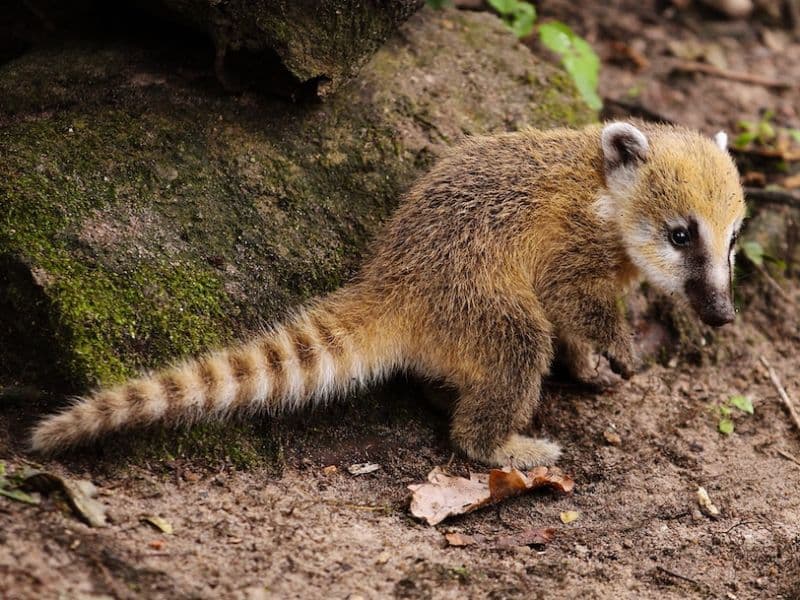
Energetic and intelligent White-Nose Coatimundi pups for sale. These South American procyonids are captive-bred and hand-raised at our ranch to be exceptionally social. Nationwide delivery available for owners ready for a curious, high-intelligence exotic companion.
Ring-Tailed Coatis Available For Adoption
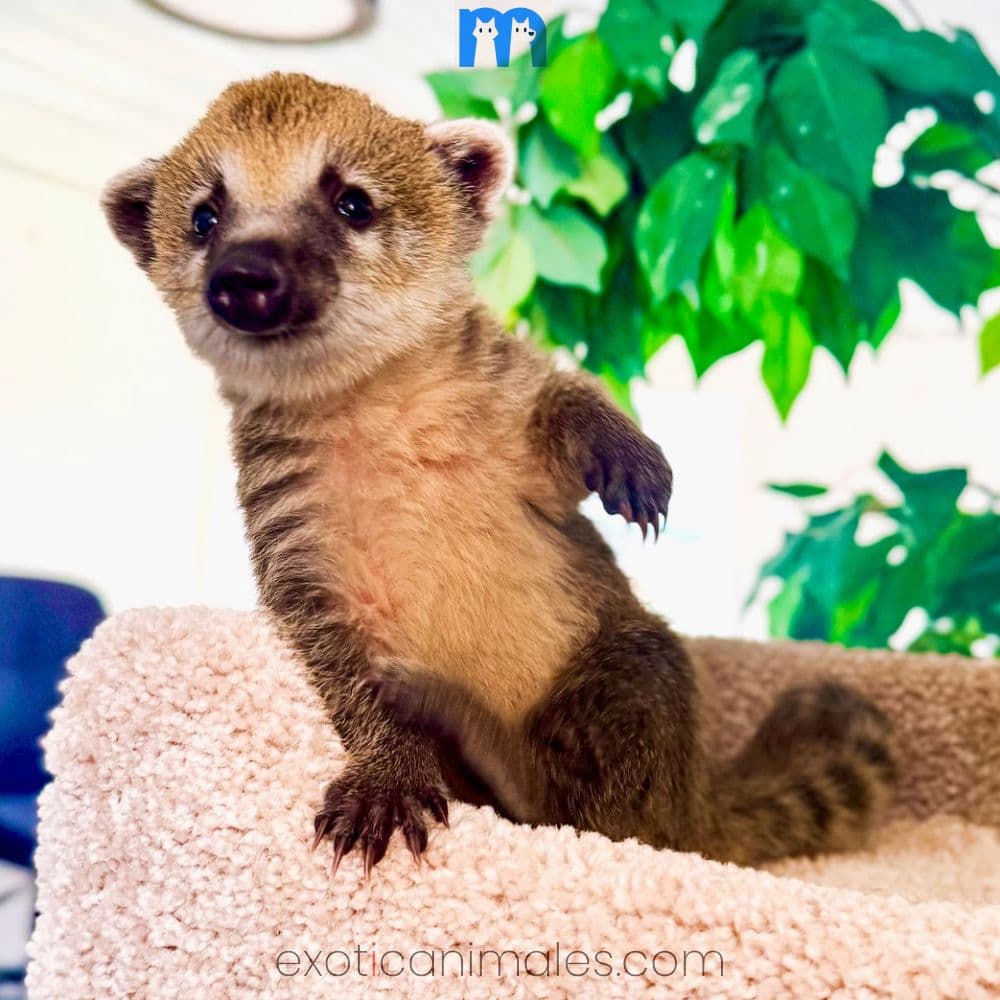
Available
White-Nose Coatimundi

White-Nose Coatimundi

Energetic and curious, great for experienced keepers.

Vet CheckedSocialized
$1999.99

Living with a Pet Coatimundi

Living with a coati is a whirlwind of activity (diurnal mammals), as they’re awake when you are—and they spend every waking second investigating. Whether it’s unzipping your backpack, figuring out how to open the fridge, or climbing to the highest point in your living room, a coati is a 15-year commitment to adventure. They are intensely social and form deep, affectionate bonds with their owners, often "chirping" at you for attention. However, they require a home that is 'coati-proofed' (think toddler-proofing, but for a pet that can climb walls). If you're looking for a pet that wants to be involved in everything you do, our baby coatis for sale will be your best companion.

Nature’s Little Excavators

If you’re looking to own a pet that's like a "Swiss Army Knife on Four Legs", a Coatimundi would be the best pick. At E.A. Ranch, we breed for two things: health and curiosity. Our coati cubs are hand-raised and socialized from the moment they are weaned to ensure they view humans as part of their band. With their incredibly long, flexible snouts and powerful digging claws, they are the engineers of the animal world. We focus on vibrant color phases and, most importantly, a steady temperament. When you take home an E.A. Ranch coati, you’re getting a starter kit of their favorite foraging snacks and lifetime breeder support to help you keep up with their busy minds.

Texas Born & Nationwide Bound: Is a Coati Legal in Your Backyard?

We’re proud to raise our baby coatis right here in Liberty Hill, TX, but these "South American racoons" have a legal footprint that varies wildly from state to state. Because they are cousins to the raccoon, some areas view them as "native wildlife" and others as "exotic pets", each with its own permit requirements. Before you get your heart set on one of our cubs, please verify your local and state ordinances. We’ve navigated these waters many times and can help guide you through the Transport & Legal Paperwork to ensure your new friend arrives 100% by the book.

They're easily recognized by their long, ringed tails and highly mobile, pig-like snouts used for rooting out insects and tubers. Unlike their solitary raccoon cousins, female coatis are intensely social, living in organized groups called "bands", while adult males typically lead a solitary lifestyle.
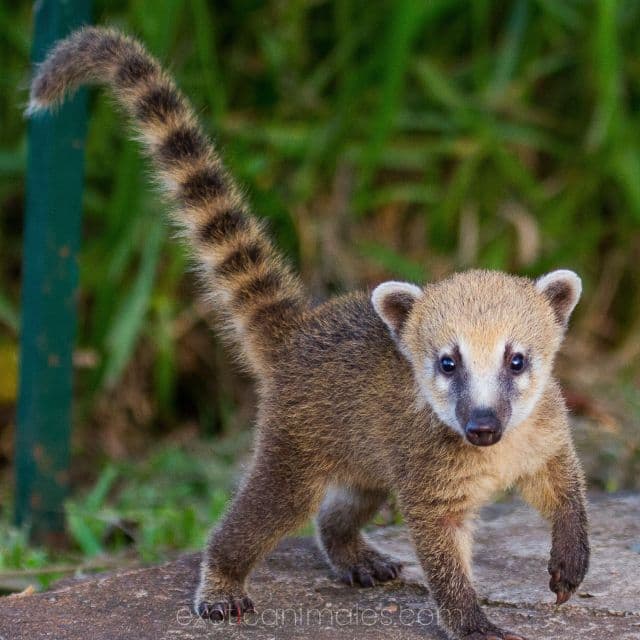
Ring-Tailed Coatis

Interested in Adopting Ring-Tailed Coatis from E.A Ranch?

Please read our pet care guide carefully before proceeding.

Adopting a Coatimundi (or Coati) is a massive undertaking suited only for highly experienced exotic pet owners. Unlike domestic pets, Coatis are "full-contact" animals that retain their wild instincts, including a high prey drive and a complex social hierarchy. They are incredibly intelligent, frequently compared to a toddler on caffeine with the climbing ability of a monkey and the curiosity of a raccoon. We prioritize adopters who have a secure, dedicated space for an animal that can live up to 15 years and who understand that Coatis require several hours of active supervision daily. Important: Coatis are not 'set and forget' pets; if they are not mentally and physically engaged, they will become destructive and aggressive. You must have a lifestyle that accommodates an animal that needs constant cognitive stimulation and a sturdy, escape-proof environment.
Coatimundis are regulated as "Class III" or "dangerous" wildlife in many jurisdictions. Their legality varies wildly by state and even by county. States like Florida, Texas, and Illinois generally allow them with specific captive wildlife permits, while they are strictly prohibited in states like California, Hawaii, and much of the Northeast. We require all prospective adopters to provide a written statement from their local animal control or wildlife agency confirming that Coatis are legal in their specific municipality. Additionally, if you plan to exhibit or breed, you must comply with [USDA APHIS] regulations. We will not process any adoption without first verifying your state-issued permits and ensuring your containment setup meets or exceeds legal safety standards.
A standard dog crate or even a large cat room is insufficient for a Coatimundi. Coatis are semi-arboreal and require significant vertical space to climb and forage. Minimum Requirements: We recommend a custom-built outdoor aviary or a dedicated 'Coati room' at least 8'x8'x8' in size. The enclosure must be constructed with heavy-duty gauge wire (as they can rip through standard chicken wire) and must have "dig-proof flooring" or buried fencing, as Coatis are prolific diggers. Your habitat must include multi-level platforms, heavy-duty climbing ropes, and varied nesting boxes. Indoor setups require "extreme proofing" — Coatis can open cabinets, refrigerators, and even unscrew lightbulbs. A safe Coati habitat is not just a cage; it is a complex environment designed to withstand the strength and ingenuity of a determined procyonid.
Coatis are opportunistic omnivores with a high metabolic rate. Their diet must be varied and protein-rich to prevent obesity and nutritional deficiencies. Daily Diet Breakdown:
  • High-Quality Protein (50%): Lean meats (poultry/rabbit), hard-boiled eggs, and gut-loaded insects like Dubia roaches or hornworms. Many owners use a base of high-quality grain-free dog food or [Mazuri Exotic Canine Diet].
  • Fresh Vegetables & Fruits (40%): Focus on root vegetables like carrots and sweet potatoes, along with leafy greens. Fruits like melons, berries, and bananas should be used primarily as training rewards due to sugar content.
  • Foraging Enrichment (10%): Nuts and seeds scattered in substrate to encourage natural rooting behavior.
Warning: Never feed your Coati chocolate, caffeine, onions, garlic, or avocado, as these are toxic. Fresh, filtered water must be available in heavy ceramic crocks, as Coatis will tip over standard plastic bowls.
Coatis are incredibly vocal and expressive. They communicate through a series of chirps, snorts, and tail-waggling. While they can be affectionate, they are also prone to "mood swings", particularly as they reach sexual maturity (around age 2). During this time, even a well-socialized Coati may become territorial or aggressive. The Social Bond: In the wild, females live in "bands" while males are more solitary. In captivity, they view their human family as their band. This means they will often groom you with their teeth and long claws—which can be painful if not managed. They are not animals that enjoy being restrained; bonding is built through interactive play and positive reinforcement training rather than forced cuddling.
A bored Coati is a destructive Coati. They possess a long, flexible snout and sharp claws designed for one thing: finding food in hard-to-reach places. To keep them healthy, you must provide daily foraging puzzles. Hide their meals inside PVC pipes with holes, scatter insects in a deep sand-pit, or use heavy-duty [KONG toys] stuffed with healthy treats. Scent work is also vital; they have a sense of smell superior to many dogs. Introducing new scents (like cinnamon, lavender, or even the scent of other animals) into their enclosure provides essential sensory enrichment. Without at least 2-3 hours of active mental engagement daily, Coatis can develop stereotypical behaviors like pacing or over-grooming.
Coatimundis require specialized veterinary care from a provider experienced in procyonid medicine. Standard dog/cat clinics are generally not equipped to handle them. Preventative Care: Coatis require annual vaccinations for Rabies and Distemper (using killed-virus vaccines only). They are also prone to dental issues due to their varied diet, so regular oral exams are a must. Common Health Risks: Obesity is the #1 killer of captive Coatis, leading to heart disease and joint pain. They are also susceptible to internal parasites and "ringtail" (a circulatory issue in the tail). We require all adopters to provide the contact information of an exotic animal hospital that has agreed to treat the animal before adoption approval. Expect annual vet costs to range from $300 to $600, excluding emergencies.
While they aren't 'trainable' in the way a Golden Retriever is, Coatis are highly motivated by food and can learn basic commands like "crate", "no",' and "target". We strongly recommend harness training from a very young age. Because of their unique body shape, a specialized "H-style" or "spook-proof" harness is required—standard cat or dog harnesses are easily slipped. Leash training allows you to safely provide outdoor enrichment, which is vital for their mental health. However, you should never take a Coati to a public dog park; their high energy and wild appearance can cause stress for both the Coati and other domestic pets.
Coatis have non-retractable claws that are essential for digging and climbing, but they can be devastating to furniture and human skin. Important: We do not support declawing, as it is a painful procedure that can lead to permanent mobility issues and aggression. Instead, owners must provide ample wooden logs and scratching surfaces to help naturally wear down the claws. Additionally, male Coatis (and some females) will scent mark their territory by rubbing their musk glands on objects. While not as pungent as a fox, it is a distinct musk that requires frequent cleaning with enzymatic neutralizers. Neutering/spaying can help reduce the intensity of scent marking and hormonal aggression.
Initial Investment:
  • Adoption Fee: $1,000–$2,500 depending on age and socialization.
  • Outdoor Aviary/Room Build: $1,500–$5,000+.
  • Initial Vet Exam & Vaccines: $250–$500.
  • Total Startup: $2,750–$8,000.
Monthly Maintenance:
  • Fresh Diet & Supplements: $100–$200.
  • Enrichment/Toys: $40–$60 (they destroy toys quickly).
  • Emergency Fund: We recommend a standing "exotic pet fund" of at least $2,000 for unexpected surgeries or illnesses.
Adopting a Coati is a premium commitment; ensure you are financially prepared for their entire 15-year lifespan.