Adoption background

Sugar Gliders

Adopt hand-tame, USDA-registered Sugar Gliders including rare white-face, mosaic, and platinum lineages. We specialize in bonded pairs and provide nationwide shipping. Our gliders are socialized from the pouch to ensure they are the perfect companion for dedicated exotic pet owners.
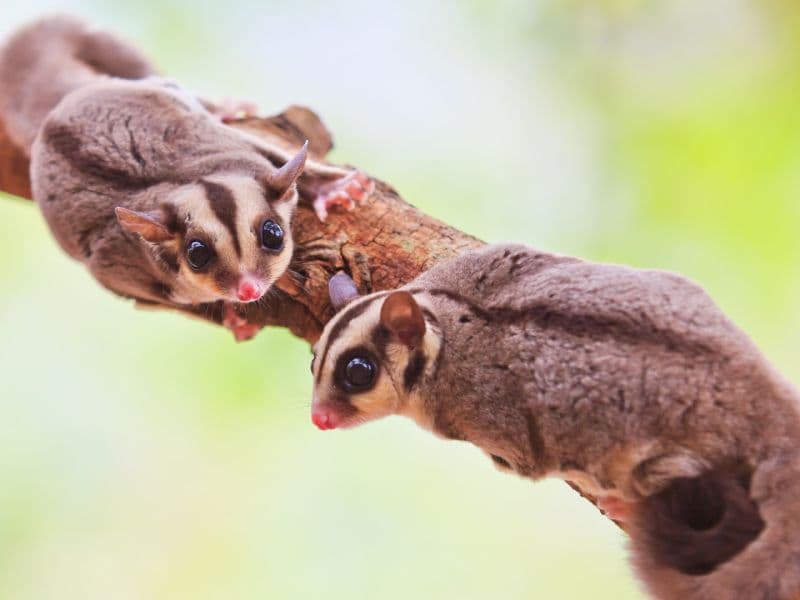
Sugar Gliders Available For Adoption

Available
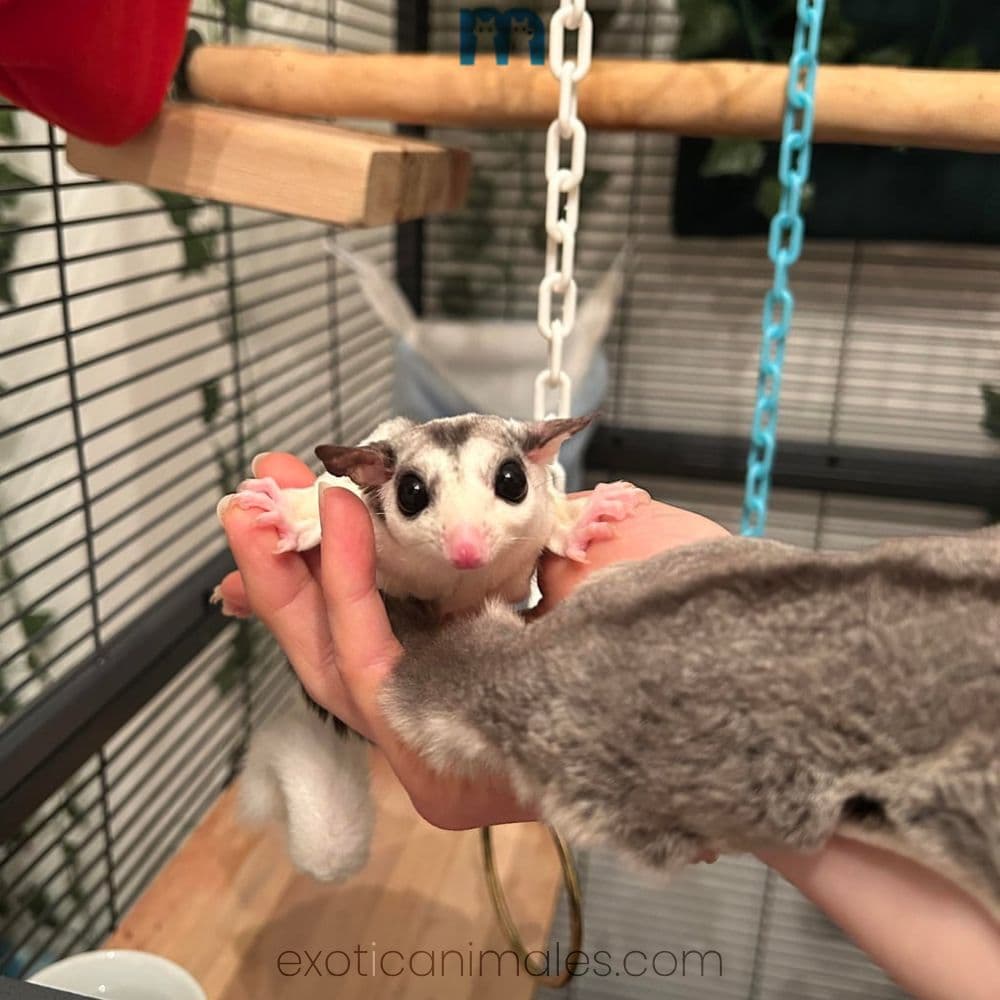
Classic Sugar Glider

Classic Sugar Glider

Friendly and energetic, perfect for bonding.

SocialVet Checked
$299.99
Available
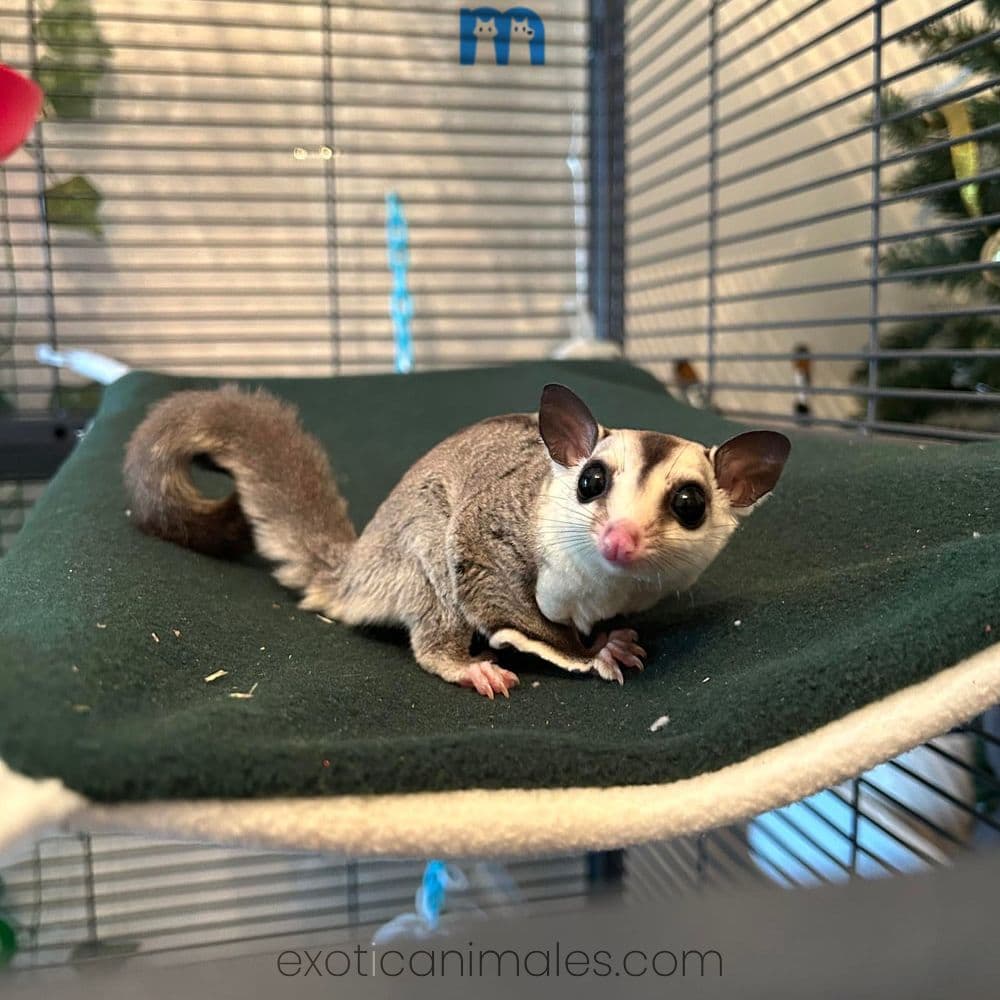
Leucistic Sugar Glider

Leucistic Sugar Glider

Rare white morph, highly prized among collectors.

Rare MorphHand Tamed
$399.99

What are Sugar Gliders

They're fascinating arboreal marsupials native to the tropical and cool-temperate forests of Australia, Indonesia, and New Guinea. Often compared to flying squirrels due to their similar appearance and nocturnal foraging habits, sugar gliders are actually more closely related to kangaroos and koalas, raising their young—known as joeys—in maternal pouches. Their unique name stems from a "sweet tooth" for eucalyptus sap and flower nectar, combined with their remarkable ability to soar through the air using the patagium—a thin, stretchy membrane extending from their wrists to their ankles that acts like a parachute, allowing them to glide up to 150 feet.

The Buddy System: One is Never Enough

Sugar gliders are highly social "pocket pets" thrive in colonies and communicate through a complex system of scent marking and vocalizations, including their signature crabbing or barking sounds. In the wild, they are never alone, and in a home environment, a solitary glider can quickly become depressed or even self-mutilate from loneliness. Because we prioritize the welfare of our animals above all else, we firmly believe in "the buddy system" and will not sell a single glider unless you already have a compatible companion at home. Whether you are starting a new colony or adding to an existing one, we are here to help you navigate successful introductions.

Nationwide Transport Available! Local Pickup in Liberty Hill, TX.

We offer safe, specialized transport to all mainland U.S. states where these pocket-sized marsupials are legal to own. To stay in compliance with regional wildlife regulations, please note that sugar gliders are currently illegal in: Alaska, California, Hawaii, Pennsylvania, and NYC.

At E.A. Ranch, we don't just breed sugar gliders — we curate generations of happy, healthy companions. Every joey in our care is fully lineaged and selectively bred for superior health, stable temperament, and striking color conformations. To ensure your new family member arrives ready to bond, our babies are socialized daily by human hands. Every purchase comes with a curated sugar glider starter kit including a fleece cage pouch, a secure travel carrier, and our "Breeder for Life" support guarantee.
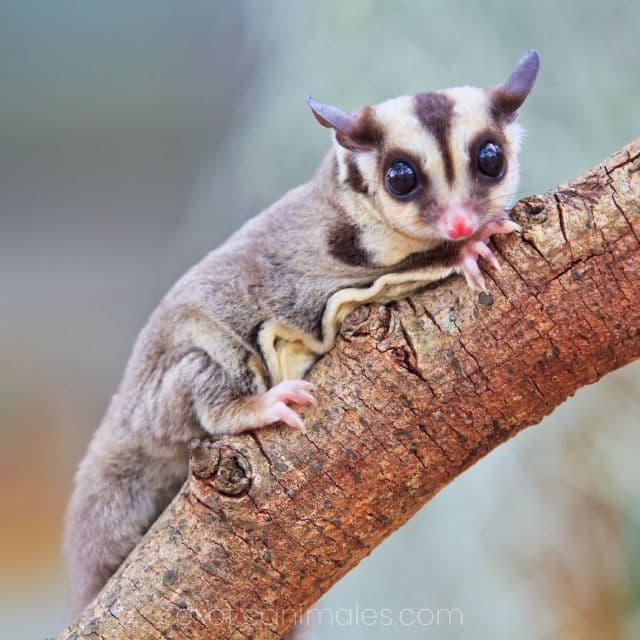
Sugar Gliders

Interested in Adopting Sugar Gliders from E.A Ranch?

Please read our pet care guide carefully before proceeding.

Sugar glider adoption is ideal for dedicated exotic pet enthusiasts who can commit to their 12-15 year lifespan and understand their unique nocturnal lifestyle. Prospective owners must have several hours each evening for socialization and bonding, as sugar gliders are colony animals that require extensive interaction to prevent depression and self-mutilation. We prioritize adopters who work evening or night shifts, or those with flexible schedules who can accommodate their active nighttime behavior. Important: Sugar gliders are illegal in California, Hawaii, Pennsylvania, and Alaska. Additionally, they require specialized veterinary care from exotic animal vets, so access to qualified veterinary services in your area is mandatory before adoption approval.
Our adoption journey begins with a comprehensive application where you'll detail your experience with exotic pets, living situation, and daily schedule. We require proof of a properly equipped habitat including a tall cage (minimum 24'x24'x36'), multiple pouches, climbing branches, and a bonding pouch for carrying your glider. Pre-adoption education is mandatory—you'll receive detailed care guides covering diet preparation, bonding techniques, and common health issues. We conduct video consultations to review your setup and answer questions. Once approved, we provide a bonding period where you'll spend time with your chosen glider(s) to ensure compatibility. Post-adoption support includes a 30-day wellness check, access to our care community, and lifetime consultation for any concerns.
Sugar gliders can be extraordinarily rewarding pets for the right owner, but they're not for everyone. These pocket-sized marsupials form deep bonds with their humans and will literally sleep in your shirt pocket, but this comes with significant responsibilities. The Pros: Incredibly affectionate once bonded, entertaining to watch glide and play, relatively long-lived, and compact size makes them apartment-friendly. The Challenges: They are nocturnal and will be most active from 9 PM to 4 AM when you're trying to sleep. They make loud crabbing sounds when startled, their diet requires daily fresh food preparation, and they can be messy eaters who may fling food. Sugar gliders also have a distinct musky odor (though neutering males significantly reduces this). They absolutely cannot be left alone for extended periods—they need daily interaction or they will become depressed. Unlike cats or dogs, you can't simply hire a pet sitter; gliders require experienced handlers.
Initial Investment:
  • Sugar Glider(s): $200-$500 per glider (we recommend adopting bonded pairs, which ranges $400-$1,000)
  • Cage & Setup: $150-$400 for appropriate tall cage with accessories
  • Bonding Pouches & Toys: $50-$100
  • Vet Exam & Neutering: $200-$400 (neutering males is highly recommended)
  • Total Initial Cost: $600-$2,000+
Monthly Expenses:
  • Diet (Fresh Produce, Protein, Supplements): $40-$80/month
  • Treats & Enrichment: $15-$30/month
  • Bedding & Cleaning Supplies: $10-$20/month
  • Annual Vet Checkups: $150-$300/year (divide by 12 months)
  • Estimated Monthly Total: $80-$155
Important: Emergency veterinary care for exotic animals can cost $300-$1,500, so we recommend establishing an emergency fund or pet insurance.
Pre-Adoption Requirements:
  • Legal Verification: Confirm sugar gliders are legal in your state/city (prohibited in CA, HI, PA, AK, and some municipalities)
  • Exotic Vet Access: Locate an exotic animal veterinarian within 50 miles—regular vets cannot treat sugar gliders
  • Proper Housing: Vertical cage minimum 24'x24'x36' for a pair (bigger is always better)
  • Time Commitment: Minimum 2-3 hours nightly interaction required
  • Temperature Control: Maintain room temperature 70-90°F; gliders cannot tolerate temperatures below 60°F
Common Health Concerns to Monitor:
  • Hind Leg Paralysis (HLP): Caused by calcium/phosphorus imbalance—preventable with proper diet
  • Stress-Related Issues: Hair loss, self-mutilation from inadequate socialization
  • Obesity: Overfeeding fruits/treats; monitor weight weekly
  • Dental Problems: Ensure diet includes crunchy items for natural teeth cleaning
Lifespan: 12-15 years in captivity with proper care. Annual Vet Visits: Mandatory wellness exams, fecal tests, and parasite screening recommended.
Sugar gliders are omnivores requiring a carefully balanced diet replicating their wild intake of tree sap, nectar, insects, and occasional fruit. Daily Diet Components:
  • Staple Diet (Choose One): HPW (High Protein Wombaroo), BML (Bourbon's Modified Leadbeater's), or TPG (The Pet Glider) diet—these provide essential calcium/phosphorus ratios
  • Fresh Vegetables (40%): Leafy greens, carrots, sweet potato, green beans (avoid iceberg lettuce—no nutritional value)
  • Fresh Fruits (30%): Apples, berries, mango, papaya. AVOID: Grapes and raisins (toxic to some gliders)
  • Protein (15-20%): Mealworms, crickets, hard-boiled eggs, cooked chicken (unseasoned)
  • Calcium Supplement: Critical for preventing Hind Leg Paralysis (HLP)—dust insects with calcium powder
Feeding Schedule: Offer fresh food each evening when they wake (around dusk). Remove uneaten fresh food after 12 hours to prevent spoilage. Foods to NEVER Feed: Chocolate, caffeine, raw meat, processed sugars, onions, garlic, and anything with artificial sweeteners. Fresh water must be available 24/7 in a water bottle.
Sugar gliders are colony animals who form lifelong bonds with their family unit—and that includes you! Why Pairs Are Better: We strongly recommend adopting at least two gliders. Single gliders can develop severe depression, self-mutilation, and behavioral issues despite human interaction. Bonded pairs provide each other companionship when you're unavailable, and contrary to myth, paired gliders bond with humans just as strongly. The Bonding Process (4-8 Weeks):
  • Week 1-2: Tent time—sit in a small bathroom or tent with your gliders, letting them explore you at their pace
  • Week 3-4: Bonding pouch training—carry them in a pouch against your body for scent familiarization
  • Week 5-8: Hand feeding, gentle handling, and establishing trust through treats
Signs of a Bonded Glider: Sleeping on you voluntarily, grooming your hands, responding to your voice, and actively seeking your attention. Warning: Never grab or chase a sugar glider—this destroys trust. Always let them come to you.
Yes! We offer carefully curated Sugar Glider Starter Kits that include everything you need for a successful transition. Our kits include: Essential Package ($350-$500): Vertical cage (24'x24'x36' minimum), multiple sleeping pouches, natural wood branches, exercise wheel (safe for gliders), food/water dishes, bonding pouch, and a 2-week supply of our recommended diet. Premium Package ($600-$800): All essentials plus larger cage (30'x18'x36'), premium fleece cage sets (machine washable), variety toy pack, travel carrier, nail trimming kit, kitchen scale for diet portions, and our comprehensive care manual. We also stock ongoing supplies including fleece liners, specialized diets (HPW powder, BML mix), supplements, treat varieties, cage cleaning solutions, and replacement toys. Note: Sugar gliders require specific wheel types—we only sell wheels with solid surfaces and no center axle to prevent tail injuries. We provide guidance on proper cage setup during your adoption consultation.
Sugar gliders are prey animals and instinctively hide illness until it is advanced. Owners must perform daily 'wellness checks' to spot subtle changes. Critical red flags include 'hind-leg paralysis' (often a sign of Calcium deficiency or MBD), lethargy, labored breathing, or a 'cloudy eye' appearance. Any change in stool consistency, such as diarrhea or constipation, requires immediate attention from an exotic animal veterinarian. Additionally, keep a close watch for 'self-mutilation' (biting at the tail or cloaca), which is often a physical manifestation of extreme stress or underlying pain. Early intervention is the key to survival, as their small size means their health can decline rapidly within 24–48 hours.
Because they are highly intelligent, sugar gliders require a dynamic environment to prevent boredom and stereotypical behaviors like pacing. A 'glider-safe' exercise wheel (one without a center axle to protect their tails) is a non-negotiable cage essential. We recommend a variety of foraging toys that mimic their natural behavior of hunting for insects and sap; hiding treats like mealworms inside reset-style puzzles provides vital mental stimulation. Utilize safe materials such as anti-pill fleece, eucalyptus branches, and BPA-free plastics. Safety Note: Avoid toys with loose threads, small bells, or open-link chains, as these can trap delicate limbs or cause strangulation. Rotating their toy selection every two weeks keeps the environment 'new' and engaging.