Adoption background

Fennec & Bat-Eared Fox

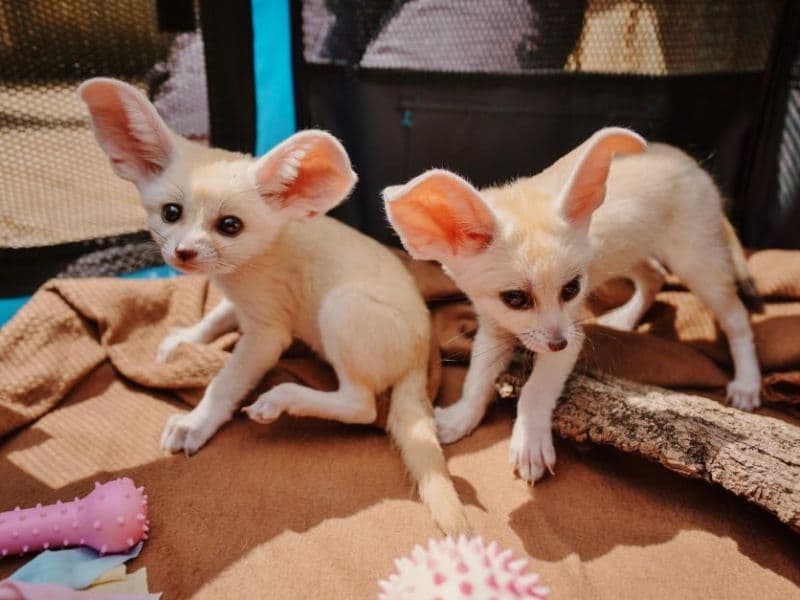
Rare Fennec and Bat-Eared Fox kits for sale from a specialized exotic ranch. These captive-bred vulpines are hand-raised for optimal temperament. We facilitate legal permit verification and offer nationwide delivery for these vocal, high-energy, and captivating exotic canids.
Fennec & Bat-Eared Fox Available For Adoption
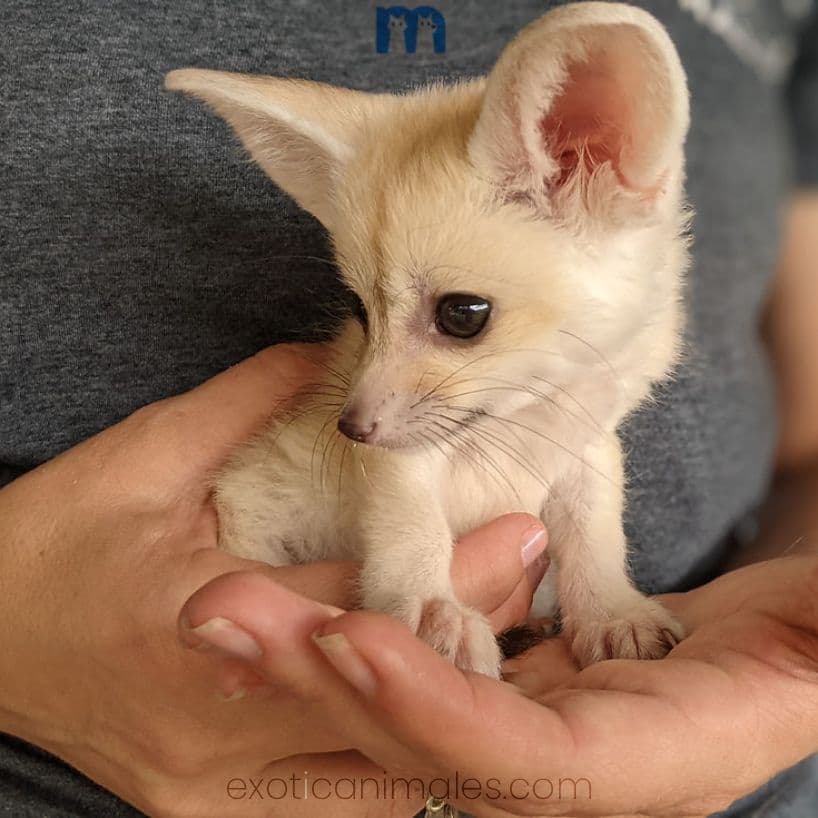
Available
Fennec Fox

Fennec Fox

Small, playful, and intelligent companion fox.

Vet CheckedRare Breed
$4999.99

Desert and Grassland Foxes

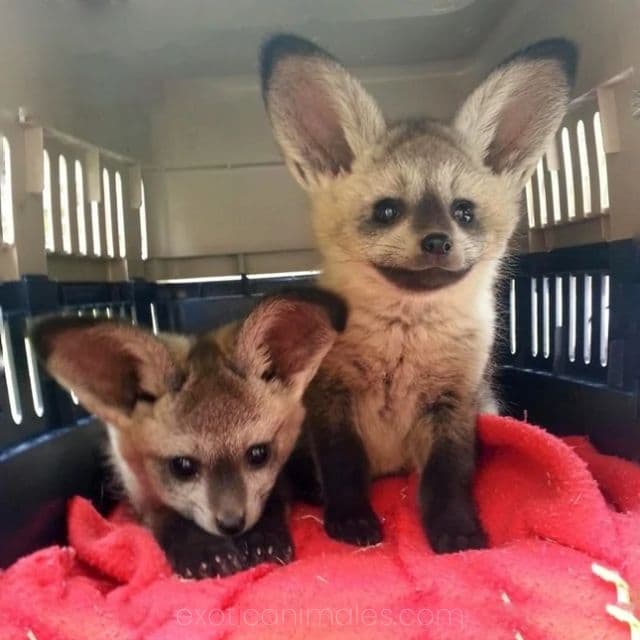
When exploring the wonders of the African wild, few creatures capture the imagination like the fennec fox and the bat-eared fox. While both are renowned for their oversized, heat-regulating ears, these two species are remarkably distinct in habitat, diet, and lineage. The fennec fox (Vulpes zerda) is the world's smallest canid, sporting a sandy-colored coat designed for camouflage in the Sahara Desert. In contrast, the bat-eared fox (Otocyon megalotis) is a larger, silver-grey insectivore found in the savannas of eastern and southern Africa. Interestingly, the bat-eared fox is the only canid that specializes in eating insects—specifically harvester termites—and possesses up to 50 teeth, more than any other non-marsupial mammal.

Understanding the 'Wild' at Home

Despite their similar 'bat-like' appearance due to convergent evolution, the fennec is a 'true fox' of the genus Vulpes, while the bat-eared fox occupies its own unique basal genus, Otocyon.Fennec and Bat-Eared foxes are not 'dogs in fox suits'—they are primitive, high-energy animals that require a deep understanding of their natural instincts. Our fox kits for sale are hand-raised from a young age to ensure they are as socialized and manageable as possible. We prioritize breeding for health and a curious, 'bold' temperament. Each fox comes with a specialized starter kit, a travel crate, and a comprehensive care manual, plus lifetime access to our expertise help in navigating the unique challenges of fennec fox ownership.

Bringing a Desert Fox Home: Transportation & Legalities.

While we offer nationwide transport and local pickup in Liberty Hill, TX, the rules for 'Big-Eared' foxes are quite specific. Fennec Foxes are highly regulated at the state and often county level. It is your responsibility to ensure you have the proper permits before purchase. Please note we cannot ship to states where they are prohibited (such as CA or NY).

Whether it’s the insect-loving Bat-Eared fox or the high-jumping Fennec, these animals have specific dietary and environmental needs. They require secure, 'escape-proof' enclosures and a diet that mimics their wild intake (high protein and, for Bat-Eareds, specific chitin-based nutrients). Owning a fox is a 12-to-15-year commitment to a loud, sandy, and incredibly rewarding companion. We vet our wild fox owners to ensure your lifestyle matches the vibrant, nocturnal energy of these desert dwellers.
Fennec & Bat-Eared Fox

Interested in Adopting Fennec & Bat-Eared Fox from E.A Ranch?

Please read our pet care guide carefully before proceeding.

Fennec and Bat-eared foxes are captivating but demanding companions that bridge the gap between wild instinct and domestic life. Unlike dogs, these foxes are 'voluntarily social'—they bond deeply but remain independent and easily startled. We look for adopters who understand that these are high-energy, vocal animals that communicate through 'screaming' or 'chirping,' especially at night. Ideal owners are those with experience in primitive dog breeds or exotic mammals who can provide a specialized environment that accommodates their digging and climbing instincts.
Legality is the first hurdle in fox ownership. Fennec and Bat-eared foxes are regulated differently than domestic pets. States like Florida, Indiana, and Illinois generally allow them with permits, while they are strictly prohibited in states like California, New York, and Washington. Many municipalities have specific 'wildlife at home' ordinances that override state laws. We require all prospective adopters to provide proof of local legality and, where applicable, a copy of your state-issued captive wildlife permit before an application is processed.
Standard fencing is insufficient for these master escape artists. Fennec foxes can jump up to 3 feet vertically, while Bat-eared foxes are prolific diggers. A successful habitat requires a fully enclosed outdoor aviary or a heavily modified indoor 'fox room' with easy-to-clean flooring. Substrate is crucial; we recommend deep sand pits to allow for natural digging behaviors. Indoor setups must be 'fox-proofed'—similar to puppy-proofing but more extreme—as they can chew through wires and squeeze into impossibly small crevices.
While they are canids, their nutritional needs are highly specialized. Bat-eared foxes are primarily insectivorous; in the wild, termites make up 80% of their diet. In captivity, we utilize a base of high-quality exotic canine kibble or raw diets, supplemented heavily with live gut-loaded insects (dubia roaches, mealworms, and crickets). Taurine is a critical supplement for fennecs to prevent heart issues. Fresh water must always be available, though fennecs are remarkably efficient at hydrating through their food due to their Saharan origins.
Fennecs and Bat-eared foxes are social creatures that live in family units in the wild. While a human can act as a surrogate 'pack,' they thrive best when housed in pairs. If you are adopting a single fox, you must be prepared to spend the majority of your evening hours providing social enrichment. However, introducing two intact adults can be complex; we prioritize the adoption of bonded pairs or provide specific guidance on slow-introduction techniques to prevent territorial aggression.
Prospective owners must be prepared for the 'musky' reality of exotic foxes. Fennec foxes have a scent gland on the tip of their tail that activates when they are excited or stressed. Furthermore, like most vulpines, their urine has a strong, skunk-like ammonia scent used for territory marking. While they can sometimes be trained to use a litter box with high-walled pans and puppy pads, they are never 100% reliable. Maintaining a clean habitat requires daily spot cleaning and specialized enzymatic cleaners to break down odors.
A standard small-animal vet is usually unequipped to handle exotic foxes. Before adoption, you must identify a vet capable of performing exotic sedation and specialized dental work. Foxes require standard canine vaccinations (Rabies, Distemper, Parvovirus), but the use of 'modified live' vaccines can be fatal in some exotic species; only 'killed' virus vaccines should be administered. We require the contact information of your designated exotic vet to verify they are currently accepting new vulpine patients.
Fennec foxes are largely nocturnal, meaning their peak activity occurs while you are sleeping. This includes high-speed running, digging at carpets, and vocalizing. We suggest 'shifting' their schedule slightly by engaging in heavy interactive play in the late evening and feeding their main meal at night. If you are a light sleeper or live in an apartment with thin walls, an exotic fox may not be the right fit for your living situation.
A bored fox is a destructive fox. To keep their sharp minds engaged, we recommend foraging puzzles, snuffle mats, and "dig boxes" filled with safe sterilized play sand or felt strips. Scent work is also highly effective—hiding small amounts of spice or different animal scents around their enclosure encourages natural exploratory behavior. Rotate toys weekly to prevent habituation and ensure they remain mentally sharp and physically fit.
Adopting an exotic fox is a 12-to-15-year financial commitment. Beyond the initial adoption fee (which can range from $2,500 to $5,000), owners should budget for emergency funds. Exotic vet visits often start at $200 for a basic exam, and specialized diets plus fresh insects can cost $100+ per month. We encourage adopters to look into exotic pet insurance providers, such as [Nationwide](https://www.petinsurance.com), which is one of the few carriers that offers coverage for fennec foxes.