Adoption background

Prehensile Porcupines

Unique Prehensile-Tailed Porcupettes for sale, these slow-moving, docile arboreal mammals are famous for their "muppet-like" appearance and calm nature. Ethically bred and hand-socialized, we offer nationwide shipping for this rare and rewarding exotic species.
Prehensile Porcupines Available For Adoption
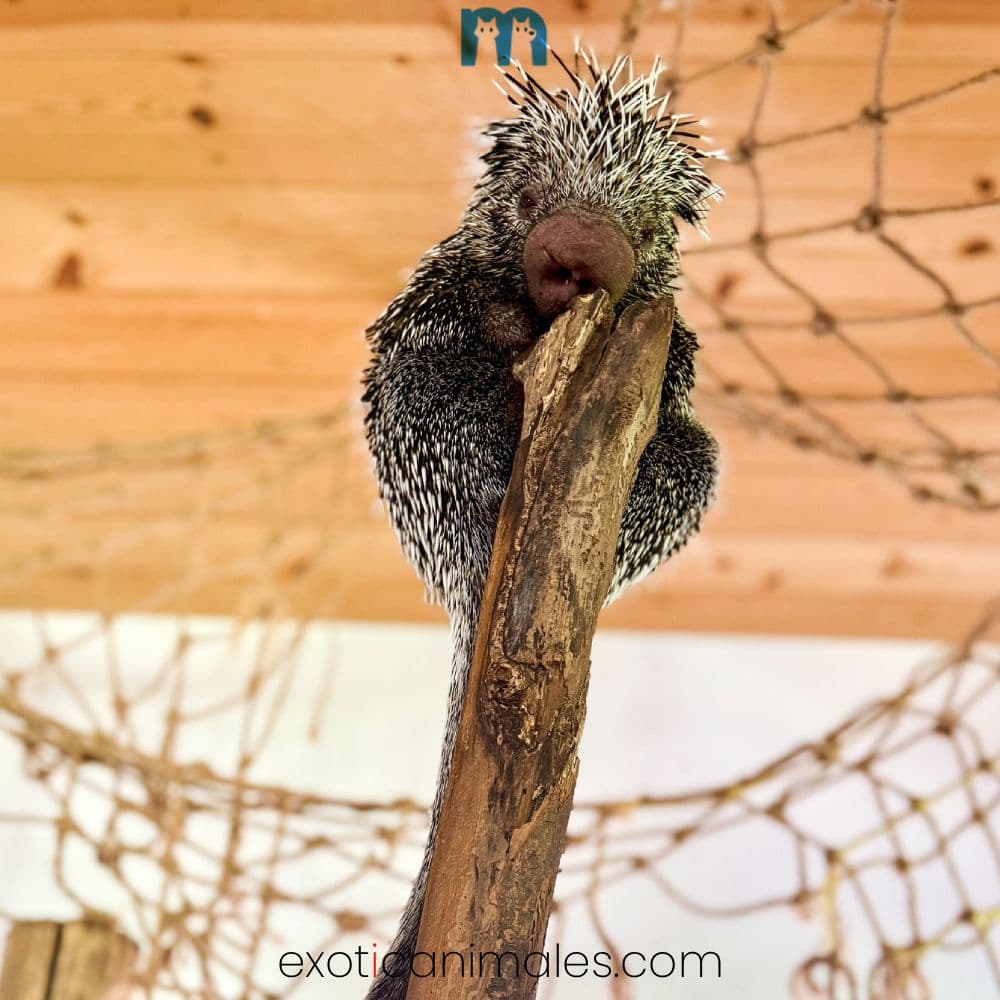
Available
Prehensile Porcupine

Prehensile Porcupine

Unique rodent requiring specialized care and diet.

Vet CheckedRare Breed
$899.99

What Makes E.A. Ranch Porcupine Different?

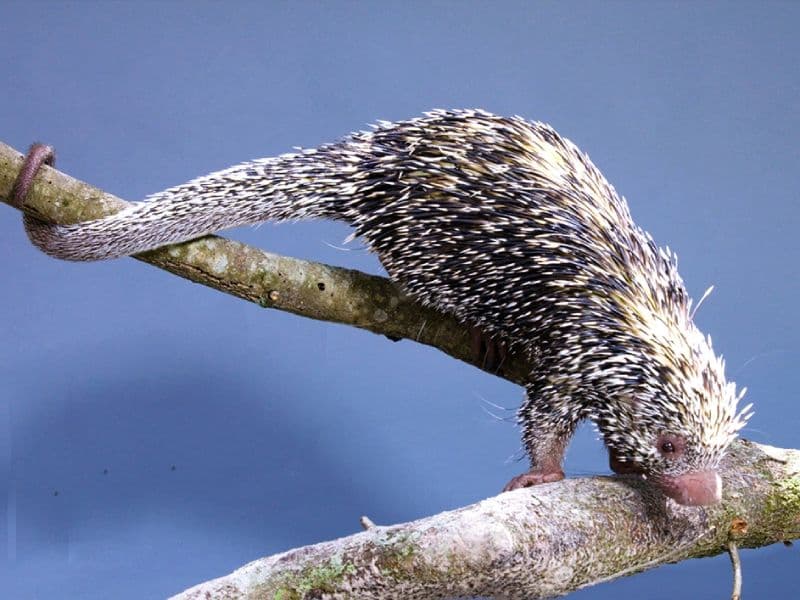
We focus on social stability and health above all else. When you adopt from us, you aren't just getting a quilled friend; you’re joining a community. Every purchase comes with a specialized starter diet and a direct line to us for the lifetime of the animal. If you have a question about their "grumbling noises", we’re here to help. Unlike their terrestrial cousins, they possess a remarkable long, hairless tail that acts as a fifth limb, allowing them to securely grip branches while navigating. Their bodies are covered in short, thick quills that lie flat until threatened, and they lack the longer "guard hairs" found on North American species.

Life with a Prehensile-Tail Companion

If you're looking for a quiet, arboreal roommate who spends their evenings hanging by their tail and munching on sweet potatoes, you've found your match. These porcupines are famously docile—they don't shoot their quills, and they'd much rather wrap their tail around your arm for a snuggle than act defensively. They're nocturnal herbivores spend their days sleeping in hollow trees, have a distinct wild scent (often compared to sweaty socks or corn chips!) and they need plenty of climbing space to stay happy. Living with one is a 15-to-20-year commitment to a creature that is as weird as it is wonderful.

Prehensile-Tailed Porcupines: Navigating the Legal Side of Quills

Finding out if you can legally own a pet "Coendou" usually brings a pleasant surprise. Unlike primates or large carnivores, these guys are often welcomed in states where other exotics are banned. That said, the paperwork can still be a bit of a maze depending on your specific county. We’ve become experts at the logistics of getting these slow-moving sweethearts from our ranch in Liberty Hill to their new homes across the country. We handle the heavy lifting on the transit permits so you can focus on getting your vertical habitat ready.

We’ve found that the secret to a great pet porcupine is all in the early days. These aren't "look but don't touch" animals for us; we spend hours hand-rearing our babies so they grow up to be the curious, 'muppet-face companions they are meant to be.
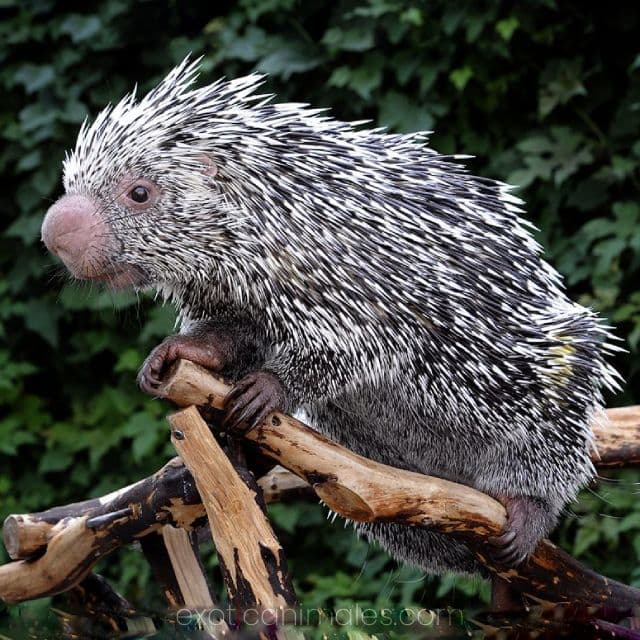
Prehensile Porcupines

Interested in Adopting Prehensile Porcupines from E.A Ranch?

Please read our pet care guide carefully before proceeding.

Prehensile-Tailed Porcupines (Coendous) are among the most unique arboreal mammals available to exotic enthusiasts, but they are "look-but-don't-touch" companions. Unlike their ground-dwelling cousins, these porcupines use their powerful, prehensile tails as a fifth limb for life in the canopy. We prioritize adopters who appreciate a slow-paced, nocturnal observer. They are generally quiet and emit a unique 'dog-like' odor, but they are not cuddly; a single defensive maneuver can result in a painful quill impaction. Ideal owners are those with large vertical spaces and the patience to build a bond based on treats and trust rather than physical handling.
As an exotic rodent, the Prehensile-Tailed Porcupine is subject to varying state laws. They are generally legal in states with unregulated exotic lists, but many require a Captive Wildlife Permit or a specific exotic animal license. States like Florida and Texas are common hubs for these animals, but they are strictly prohibited in several others. Because they are often sold under [USDA APHIS] regulations, we require all adopters to verify their county and city zoning ordinances. We will not ship or release a porcupine without documented proof that your local laws allow for the private possession of a "New World Porcupine."
A common myth is that porcupines "shoot their quills"; in reality, quills are released upon physical contact. A Prehensile-Tailed Porcupine's quills are shorter and thicker than those of the African Crested variety, but they are heavily barbed, making removal difficult and painful. When stressed, they will "rattle" their quills and stomp their feet as a warning. We educate all adopters on safe handling techniques, which typically involve the use of thick, puncture-resistant welding gloves and specialized transport tubs. Understanding their body language is vital to avoid accidental "quilling" incidents during cage cleaning or health checks.
Horizontal floor space is secondary to vertical climbing area for this species. A successful habitat requires a large vertical enclosure, ideally a minimum of 6'x4'x8'. The enclosure must be filled with non-toxic climbing branches (such as kiln-dried pine or fruitwood), sturdy ropes, and elevated nesting boxes. Because they have incredibly strong, orange-enameled teeth, they will chew through wood and thin plastic; we recommend powder-coated metal enclosures. Proper ventilation is critical to manage their distinct musky scent, and a "soft-fall" substrate like thick mulch or fleece is recommended in case of accidental tumbles during active night climbing.
Prehensile-Tailed Porcupines are specialized herbivores. In the wild, they consume bark, leaves, and fruits. In captivity, their staple should be a low-iron primate biscuit or a specialized rodent block like [Mazuri Rodent Pellets]. Daily Meal Components:
  • Fresh Greens (60%): Romaine, kale, and collard greens.
  • Starchy Vegetables (30%): Sweet potatoes, carrots, and squash (critical for maintaining weight).
  • Fruit (10%): Used sparingly as treats to prevent obesity and dental decay.
They also require constant access to fresh browse (safe tree branches with bark) to satisfy their instinctive need to gnaw and keep their ever-growing incisors worn down.
The tail of the Coendou is an incredible evolutionary tool. The underside of the tail is hairless and calloused, providing a "velcro-like" grip on branches. It is strong enough to support the animal's entire body weight, though they rarely hang completely free. When adopting, it is crucial to perform "tail checks" to ensure there are no sores or "tail-tip necrosis", which can happen if the environment is too dry. Maintaining a humidity level of 50-60% is essential for their skin and tail health, as well as ensuring smooth quill growth and shedding.
Because they are strictly nocturnal, you will need to provide enrichment that engages their senses in the dark. Scent enrichment is highly effective; rubbing safe spices or essential oils on climbing branches encourages exploratory behavior. Foraging puzzles that require them to manipulate objects with their paws and teeth keep their active minds occupied. We recommend heavy-duty hanging toys designed for large parrots or primates. Without mental stimulation, porcupines can become lethargic or develop stereotypical rocking behaviors, so rotating their furniture and climbing paths every few weeks is mandatory.
Prehensile-Tailed Porcupines can live up to 15-20 years, making them a long-term commitment. They are generally hardy but require an exotic veterinarian who is comfortable with sedation, as even a basic exam is impossible without it. Common Health Issues: Respiratory infections due to poor ventilation, overgrown incisors requiring dental burring, and skin fungal issues if the enclosure is not kept clean. We require all adopters to identify a vet with radiology and dental equipment capable of treating exotic rodents. Regular fecal exams are recommended to screen for internal parasites common in arboreal mammals.
Be prepared for a vocal pet! Coendus make a variety of sounds, from "soft moos" and whines to loud, piercing screams when they are frightened or in heat. They also have a very distinct natural odor that many describe as "wet dog" or "musty cheese". This is not a sign of poor hygiene; it is a natural part of their biology used for communication. While air purifiers can help, you should never use chemical air fresheners or candles near their enclosure, as their respiratory systems are extremely sensitive to aerosols.
Initial Setup:
  • Adoption Fee: Typically $1,500–$3,500.
  • High-End Vertical Cage: $800–$1,500.
  • Lighting & Climate Control: $200.
Ongoing Costs:
  • Specialized Pellets & Fresh Produce: $60–$100/month.
  • Veterinary Fund: We suggest setting aside $500/year for specialized exams.
Owning a Prehensile-Tailed Porcupine is a premium experience for the collector who values observing the wonders of South American biodiversity from the comfort of their home.