Adoption background

Marmoset Finger Monkeys

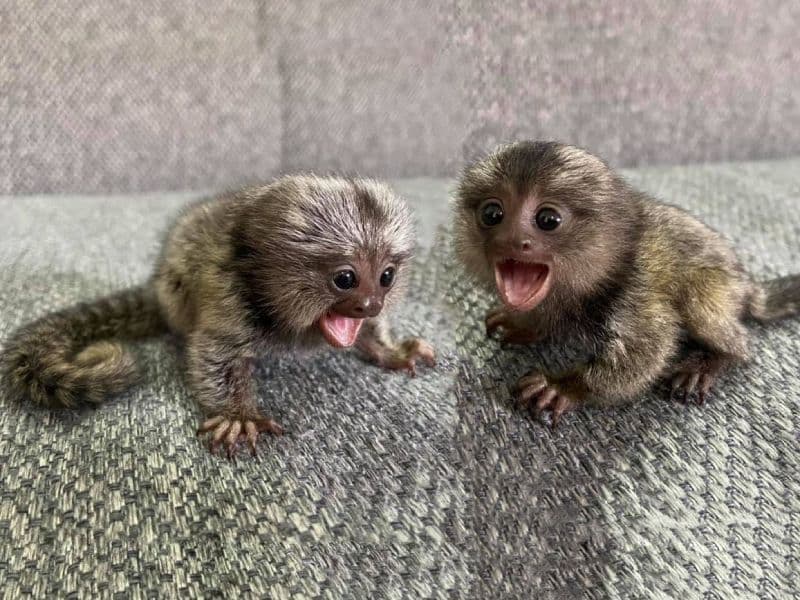
Hand-reared Common and Black-Tufted Marmoset "Finger Monkeys" for sale. Our primates are raised in a nursery environment to ensure they are well-adjusted to human interaction. We offer secure delivery and mandatory pre-adoption education for these complex, social companions.
Marmoset Finger Monkeys Available For Adoption
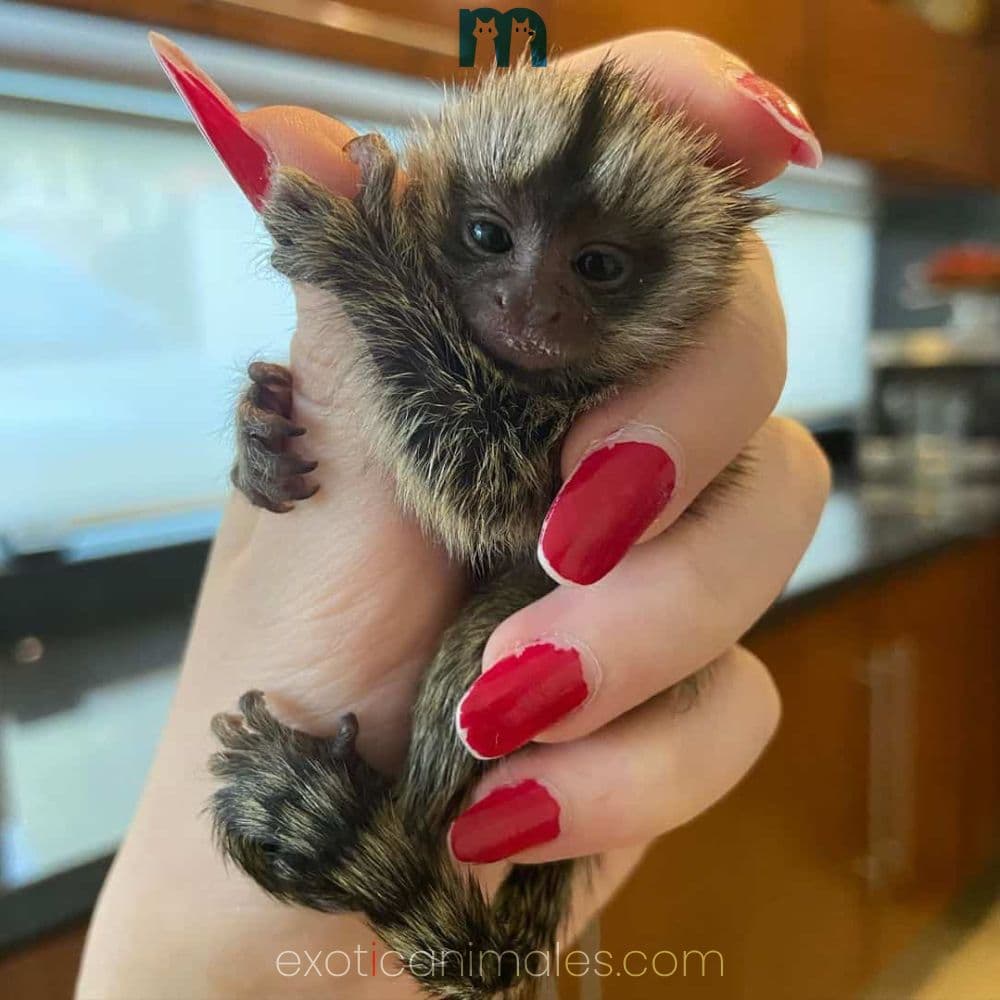
Available
Common Marmoset

Common Marmoset

Small, agile primate perfect for experienced exotic pet owners.

Vet CheckedSocialized
$4999.99

Marmoset Finger Monkeys

Don't let the "finger-sized" nickname fool you—Marmosets are high-intelligence animals with complex emotional lives. They are highly vocal, using a series of high-pitched whistles and chirps to communicate their needs. In the wild, they live in tight-knit family groups, and in captivity, they require near-constant social interaction, a Marmoset is unhappy when lonely. They also require a very specific diet high in Vitamin D3 and protein to prevent metabolic issues. Owning a Marmoset is a 15-to-20-year commitment to a creature that will view you as part of its troop. We vet our families carefully to ensure you have the time, space, and patience these tiny treasures deserve.

Hand-Raised Pocket Companions

Commonly known as Finger Monkeys, Marmosets are among the smallest primates in the world, but they have massive personalities. At E.A. Ranch, we specialize in hand-rearing these delicate creatures to ensure they are well-adjusted to human interaction. Our breeding program emphasizes genetic health and social stability. Because they are so tiny, they require a gentle touch and a specialized environment. When you adopt marmoset monkeys from us, you receive a "New Parent kit" including a specialized heating source, a starter supply of Marmoset diet/gum arabic, and our unwavering breeder support to guide you through their unique care requirements.

Big Journeys for Little Primates: National Shipping & Legalities

From our home base in Liberty Hill, TX, we provide specialized, climate-controlled transport for our Marmosets. However, owning a Finger Monkey is a major legal responsibility. Primate ownership is strictly prohibited in many states, and others require specific permits or specialized veterinary registries. We strictly adhere to USDA regulations and will only transition our baby marmoset monkeys to homes where they are 100% legal.

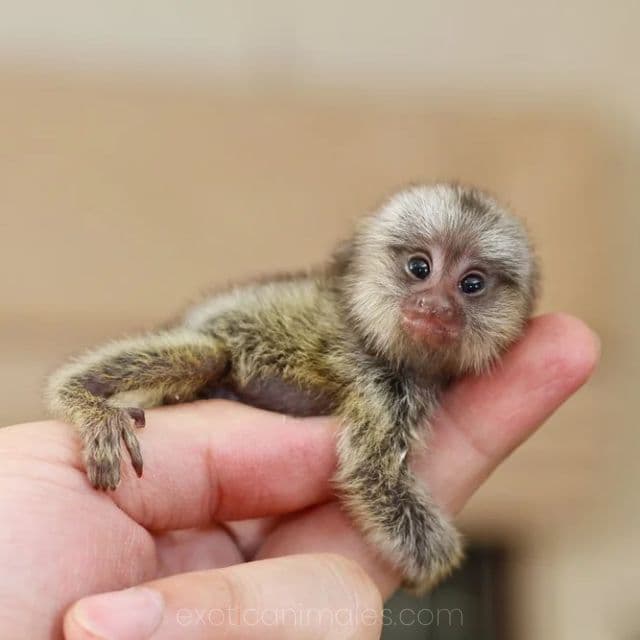
All of our axolotls for sale These arboreal wonders—such as the tiny pygmy marmoset monkey for sale , which weighs less than a stick of butter—possess unique claw-like nails instead of flat nails, allowing them to cling vertically to tree trunks or your finger.
Marmoset Finger Monkeys

Interested in Adopting Marmoset Finger Monkeys from E.A Ranch?

Please read our pet care guide carefully before proceeding.

The term Finger Monkey is a popular nickname for the Pygmy Marmoset, the smallest monkey in the world. While they are tiny enough to cling to a human finger as infants, they grow into active, complex primates that require a permanent, high-commitment home. We prioritize adopters who look past the cute viral trend and understand that marmosets are intelligent New World monkeys with specific social and biological needs that span a 15-20 year lifespan.
Marmoset ownership is strictly governed by state and local laws. They are legal in states like Florida, Texas, and Ohio (often with a permit), but are strictly banned in many others, including California and the Northeast. Because they are primates, they fall under the [USDA Animal Welfare Act] for breeding and transport. We require all prospective owners to provide a letter of legality from their local animal control or state wildlife agency before we can proceed with an adoption application.
In the wild, marmosets live in tight-knit family groups and communicate through high-pitched vocalizations and scent marking. A solitary marmoset is prone to severe depression and self-harming behaviors. We strongly advocate for adopting in pairs. If you are adopting a single marmoset, you must be prepared to be their constant companion; they cannot be left alone for long workdays. They thrive on "social grooming" and require a stable, predictable social environment to feel secure.
Marmosets are "gumivores", meaning their natural diet heavily involves tree sap and gum. In captivity, this must be replicated using Arabic Gum powder mixed into their food. Their primary diet should consist of a high-quality New World Primate biscuit (like Mazuri), supplemented with fresh vegetables, limited fruits, and protein sources like hard-boiled eggs or gut-loaded insects. Crucial: They have a very high requirement for Vitamin D3 and Vitamin C, which must be strictly monitored to prevent skeletal issues.
Marmosets are highly susceptible to Metabolic Bone Disease and Simian Bone Disease if they do not receive adequate UVB lighting and Vitamin D3. Without 10-12 hours of specialized full-spectrum lighting or natural unfiltered sunlight, their bones can become brittle, leading to fractures and paralysis. We require proof of a high-output UVB lighting system (designed specifically for primates or reptiles) as part of your habitat setup verification process.
A major health concern in captive marmosets is Wasting Marmoset Syndrome (WMS), characterized by chronic weight loss, muscle atrophy, and diarrhea. This is often triggered by stress, poor diet, or underlying parasites. Preventing WMS requires a low-stress environment and regular fecal screenings by an exotic veterinarian. Because their metabolism is so fast, a marmoset that stops eating for even 24 hours is in a life-threatening emergency.
Despite their small size, marmosets are incredibly active and require a large vertical enclosure (minimum 3'x3'x6' for a pair). The enclosure should be filled with natural branches, ropes, and hammocks to encourage their natural leaping behavior. Because of their high intelligence and "hand dexterity", cages must be secured with primate-safe locks—they can easily learn to slide latches and open doors. Indoor habitats should be kept in a draft-free room with a consistent temperature between 75°F and 85°F.
Marmosets communicate through scent. Both males and females have specialized glands used to mark their territory, which produces a distinct musky odor. While you can spot-clean their environment, over-cleaning can actually cause them to mark more aggressively as they try to re-establish their scent. We recommend using specialized [enzymatic cleaners](https://www.naturemiracle.com) that neutralize odors without using harsh chemicals that could irritate their sensitive respiratory systems.
You must have an Exotic Animal Veterinarian nearby who is willing to treat New World Primates. Routine care includes annual blood work and strictly following a primate-specific vaccination schedule. Note that marmosets are highly susceptible to the Human Herpes Simplex Virus (cold sores), which is fatal to them. Adopters must be extremely cautious about hygiene and avoid contact with their marmoset if they have any signs of illness.
Adopting a marmoset is a 20-year commitment that limits your ability to travel and requires a significant budget. Beyond the initial cost (which can exceed $4,000–$6,000), monthly expenses for specialized diets, heating, and enrichment total roughly $150–$200. Furthermore, finding a qualified "pet sitter" for a primate is nearly impossible. We look for dedicated individuals who are prepared to integrate these tiny, complex beings into their daily lives for the long haul.