Adoption background

Exotic Hoofstock

Boutique Exotic Hoofstock for sale including Highpark Miniature Cattle, Alpacas, and Miniature Goats. Perfect for hobby farms and estate grazing. Our livestock is halter-trained, healthy, and delivered via professional transport to your pasture nationwide.
Exotic Hoofstock Available For Adoption
Available
Miniature Hoofstock

Miniature Hoofstock

Small exotic hoofed animal suitable for large enclosures.

Vet CheckedRare Breed
$2999.99

Elite Highpark Cows & Miniature Goats

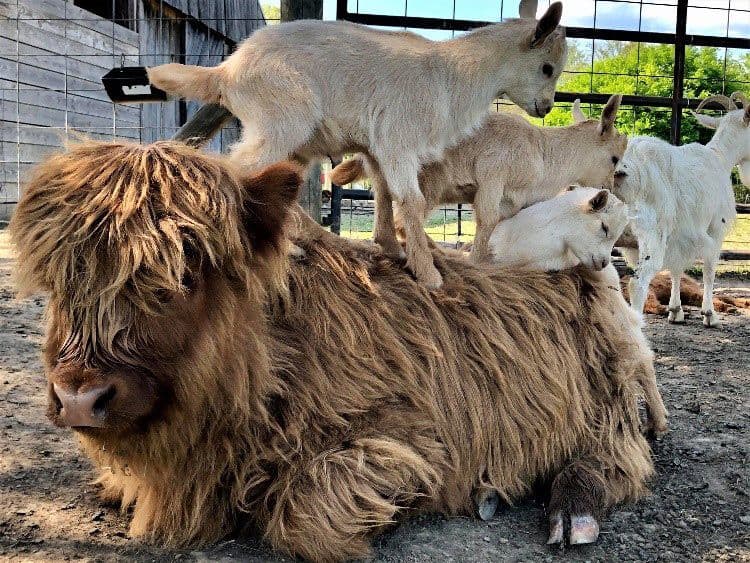
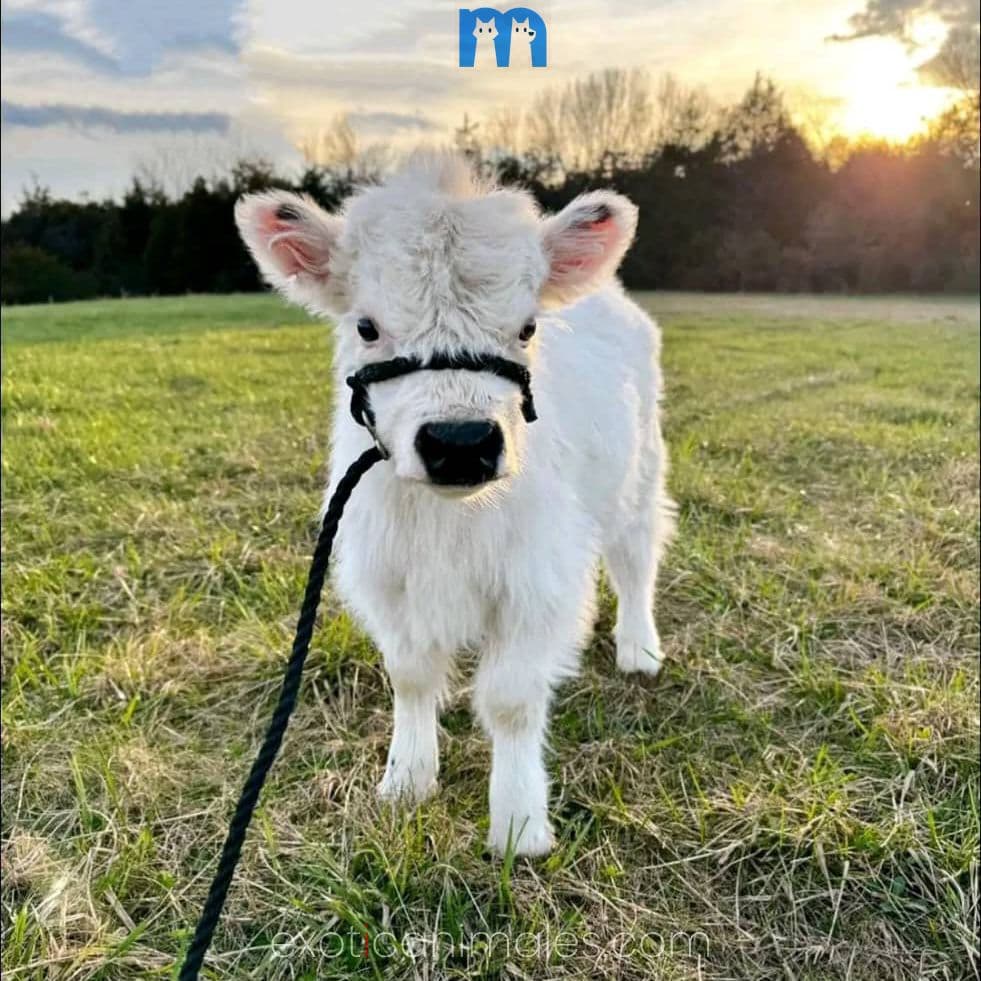
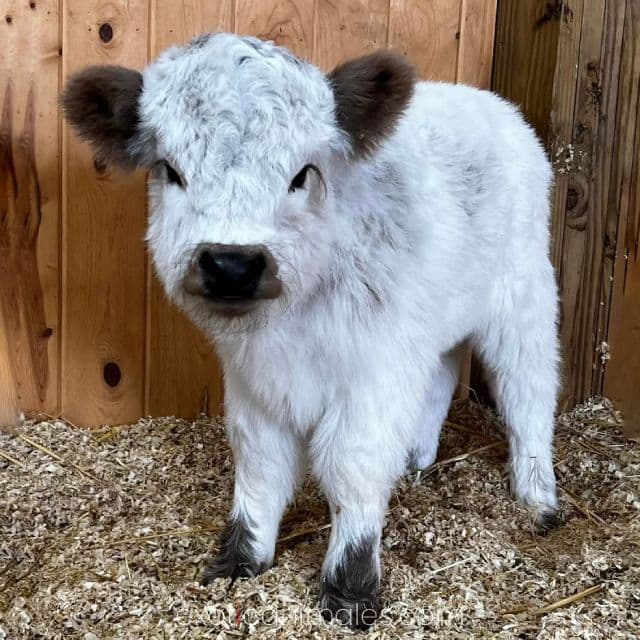
The Highpark cow is the crown jewel of the miniature cattle world, a designer crossbreed combining the long, "iconic fluff" of the Scottish Highland with the striking white coat and "pointed black or red markings" of the British White Park. These cattle are bred specifically for their smaller stature and exceptionally docile temperaments, making them more like giant pasture puppies than traditional livestock. Because of their thick double coats, they are remarkably cold-hardy and thrive in various climates, provided they have shade and wind protection. In contrast, our miniature goats—specifically Nigerian Dwarf goats for sale and Pygmies—are the high-energy comedians of the ranch. While the Highparks provide a stoic, picturesque presence, these goats are the "social directors" of the pasture. Nigerian Dwarfs are particularly prized for their high-quality milk production in a compact size, while Pygmies offer a stockier, robust build. Both breeds are highly intelligent and require vertical enrichment, such as climbing platforms, to satisfy their natural curiosity and desire for play.

Life with Gentle Grazers & Alpacas

Living with exotic hoofstock is a lifestyle choice that transforms a simple backyard into a functioning sanctuary. Alpacas (both Huacaya and Suri) and our other gentle grazers are communal animals that operate on a strict herd hierarchy. They communicate through soft hums, body posturing, and a unique alert call that keeps the group safe. Because they are prey animals, their trust must be earned through consistent, gentle interaction. They have a "soft footprint", making them ideal for smaller acreages where preserving the integrity of the pasture is a priority. Choosing to adopt hoofstock from our ranch is a 15-to-25-year journey that requires a commitment to proper pasture rotation, parasitic management, and annual shearing for fleece-bearing species. Unlike traditional commercial livestock, our animals are handled daily from birth to ensure they are "halter-ready" and comfortable with human touch. We focus on "multi-species grazing" compatibility, ensuring that your new Highpark calf or Alpaca cria will integrate seamlessly into a diverse and peaceful home herd.

Pasture Elegance: From Highpark Royalty to Playful Alpacas

Our Highpark calves are the "living lawn ornaments" everyone dreams of—famous for their teddy-bear appearance, high-intelligence, and gentle disposition. We focus on breeding for the perfect "park markings" and that signature long fringe that makes them so photogenic. Meanwhile, our Alpacas and Miniature Goats offer a more interactive experience, with soft fleece and a playful nature that brings any farm to life.

Our hoofstock are only available to homes that meet our strict acreage and fencing requirements to ensure their safety from local predators. Whether you are looking for a show-quality Highpark heifer or a pair of fiber-producing Alpacas, we provide the pre-adoption education needed to manage a thriving pasture. When you adopt from us, you’re joining a community of exotic hoofstock enthusiasts dedicated to preserving these miniature and designer breeds for generations to come.
Exotic Hoofstock

Interested in Adopting Exotic Hoofstock from E.A Ranch?

Please read our pet care guide carefully before proceeding.

Exotic hoofstock refers to domesticated or semi-domesticated grazing animals that are uncommon in standard livestock operations and are often raised for companionship, conservation, education, or boutique farming. In our program, this includes Highland and Highpark cows, miniature and specialty goats, and other calm, people-friendly grazers. These animals are prized not just for utility, but for temperament, appearance, and their ability to integrate into small farms, homesteads, and lifestyle properties. Unlike commercial cattle or production goats, our hoofstock are selected for gentle disposition, manageable size, and adaptability to human environments.
Highland and Highpark cows are among the most sought-after grazing cattle in the world—and for good reason. Originating from the rugged Scottish Highlands, these cattle are naturally hardy, cold-tolerant, and extremely efficient grazers. Their long hair is not just aesthetic; it protects them from weather extremes and reduces insect stress. Temperament-wise, Highland cattle are widely known for being calm, curious, and highly tolerant of human interaction when properly socialized. Highpark cows, bred for even smaller stature and gentle handling, are ideal for boutique farms and acreage owners who want the presence of cattle without the scale of commercial breeds. They are excellent for pasture management, educational settings, and long-term companion livestock.
One of the biggest misconceptions about hoofstock is that they require massive acreage. While space is important, management matters more than raw size. Miniature goats can thrive on smaller, well-managed properties with browse access and secure fencing. Highland and Highpark cows typically require 1–2 acres per animal depending on pasture quality, rainfall, and rotational grazing practices. These cattle are exceptional forage converters, meaning they maintain healthy body condition on grass where other breeds struggle. We help buyers evaluate their land honestly—factoring in soil quality, seasonal growth, and shelter—so animals thrive instead of merely surviving.
All of our hoofstock are selected with temperament as a top priority. This is especially critical for Highland and Highpark cows, which are often kept in close proximity to people. These animals are naturally docile, intelligent, and responsive to routine. When raised with consistent human contact, they recognize caretakers, respond to feeding schedules, and tolerate basic handling with minimal stress. Miniature goats, on the other hand, are highly social, playful, and interactive—often following owners around the property. Proper handling, calm energy, and predictable routines are key to maintaining safe, respectful relationships with large grazing animals.
Daily care for exotic hoofstock is straightforward but non-negotiable. Tasks include visual health checks, fresh water access, pasture or hay management, and routine observation of movement and behavior. Highland and Highpark cows are low-maintenance compared to many cattle breeds—they do not require grain-heavy diets and are extremely resilient. Miniature goats require more frequent interaction, hoof checks, and enrichment due to their curiosity. Owners should expect to spend 30–60 minutes daily on routine care, with additional time for seasonal maintenance such as hoof trimming, parasite control, and shelter upkeep.
Proper nutrition is the foundation of hoofstock health. Our grazing animals are primarily grass-fed, supplemented only when necessary. Highland and Highpark cows excel on pasture and quality grass hay, requiring minimal concentrate feed. Overfeeding grain can actually cause health issues in these breeds. Miniature goats are browsers and benefit from shrubs, weeds, and varied plant material alongside hay and minerals. Loose mineral access is essential for all hoofstock to prevent deficiencies. We educate every buyer on body condition scoring so animals stay fit, not fat.
One of the greatest advantages of Highland and Highpark cattle is their exceptional health profile. These breeds have strong immune systems, fewer calving complications, and excellent longevity—often living 18–25 years with proper care. Miniature goats typically live 12–18 years. Routine veterinary care includes annual exams, parasite management, and periodic vaccinations depending on region. Hoof care is essential across all species and should be maintained every 6–8 weeks. Because these animals are long-term commitments, we prioritize placing them with owners who plan for years, not seasons.
Before purchasing hoofstock, buyers must confirm local zoning laws and livestock regulations. Many rural and semi-rural areas allow cattle and goats, while suburban municipalities may have restrictions based on acreage or animal size. Transport logistics are also important—large animals require safe, low-stress hauling methods. We assist buyers with documentation, health certificates, and transport coordination to ensure a smooth and compliant transition.
Before committing to exotic hoofstock, every buyer should run through a practical readiness check. Ask yourself the following: Do I have secure, livestock-grade fencing? (Goats test fences daily, and cattle require strength, not just height.) Is my pasture sustainable year-round? Seasonal forage loss means hay storage and budgeting are essential. Do I have access to a large-animal veterinarian? Even hardy breeds like Highland cows require professional care. Am I prepared for routine maintenance? This includes hoof trimming, parasite control, and shelter upkeep. Do I have backup care? Livestock still need attention during travel or emergencies. Buyers who can confidently answer yes to these questions tend to have the healthiest animals and the most rewarding ownership experience.
  • People seeking low-effort animals: Exotic hoofstock require daily care, observation, and routine management. They are not set-and-forget animals.
  • Short-term or impulse buyers: Highland cows and miniature goats are long-lived animals, often requiring 15–25+ years of commitment.
  • Properties without proper fencing or land planning: Inadequate fencing or overcrowded pasture leads to stress, escape issues, and health problems.
  • Owners unwilling to provide veterinary care: Access to a large-animal or farm veterinarian is essential, even for hardy breeds.
  • Those seeking purely decorative animals: These are living, intelligent grazers—not lawn ornaments or temporary attractions.
  • Anyone unable to manage seasonal responsibilities: Hoof care, parasite control, pasture rotation, and shelter maintenance are non-negotiable.

That said: For prepared owners who value responsible land stewardship, calm animal companionship, and long-term investment, exotic hoofstock can be one of the most rewarding animal experiences available.