
Leopard & Crested Geckos
Explore premium captive-bred Leopard and Crested Geckos for sale. From high-contrast designer Leopard morphs to crested eyelash geckos, our reptiles are established feeders with a live-arrival guarantee. Perfect for bioactive terrarium enthusiasts and beginner keepers alike.
Leopard & Crested Geckos Available For Adoption
Interested in Adopting Leopard & Crested Geckos from E.A Ranch?
Please read our pet care guide carefully before proceeding.
Choosing between these two species depends entirely on the type of environment you want to maintain.
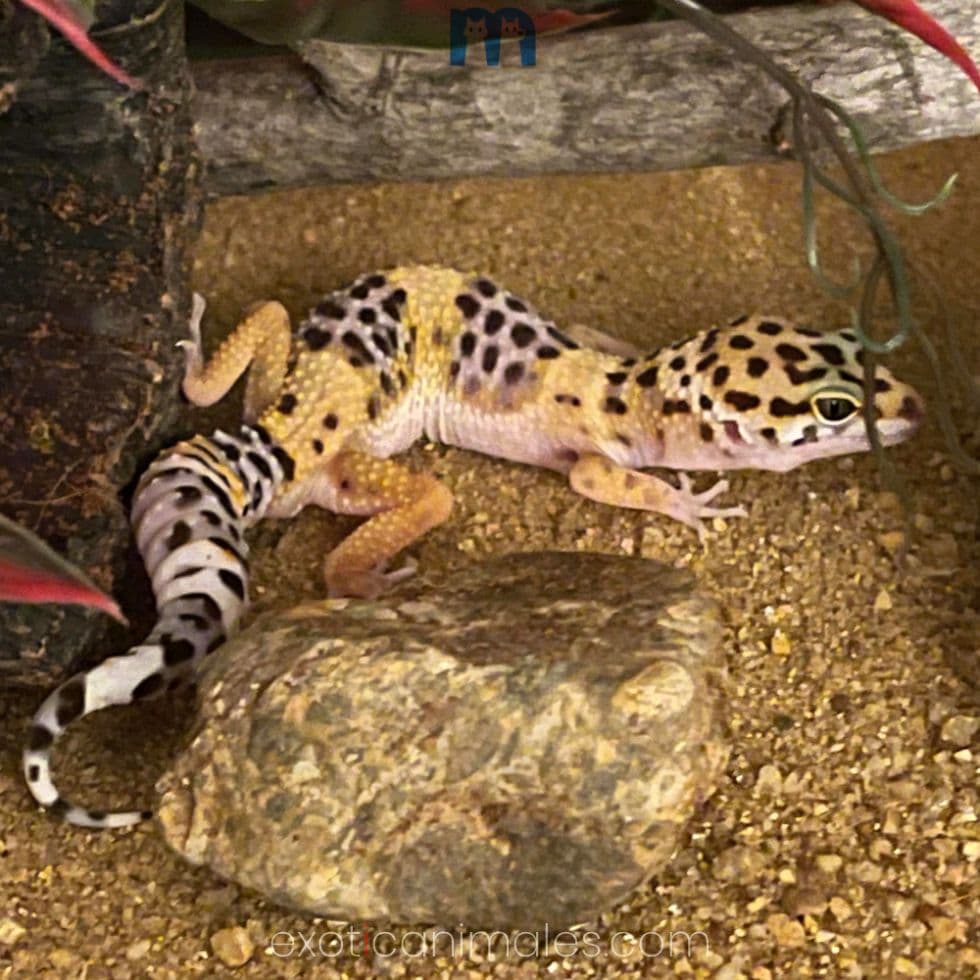
- The Leopard Gecko: A terrestrial (ground-dwelling) lizard from the dry regions of Afghanistan and India. They are famous for their smiles, movable eyelids, and fat storage tails. Best for those who want a handleable pet that thrives in an arid setup.
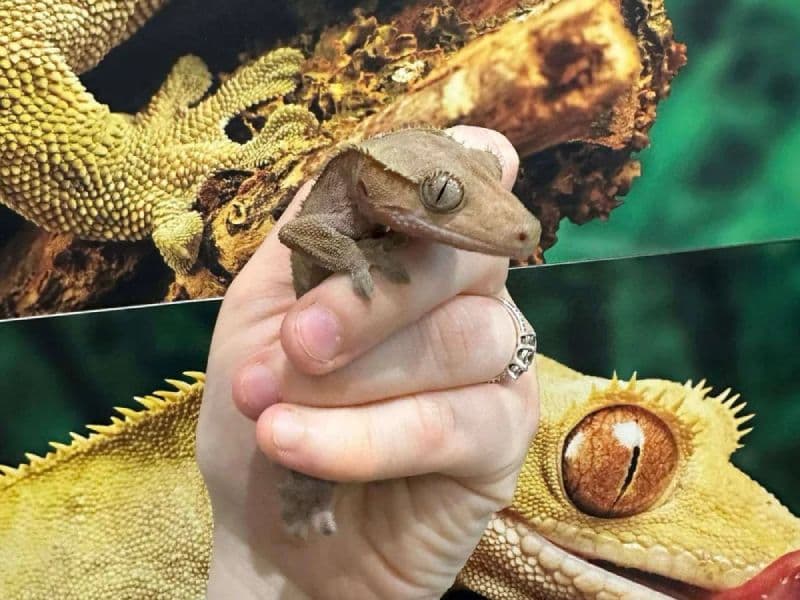
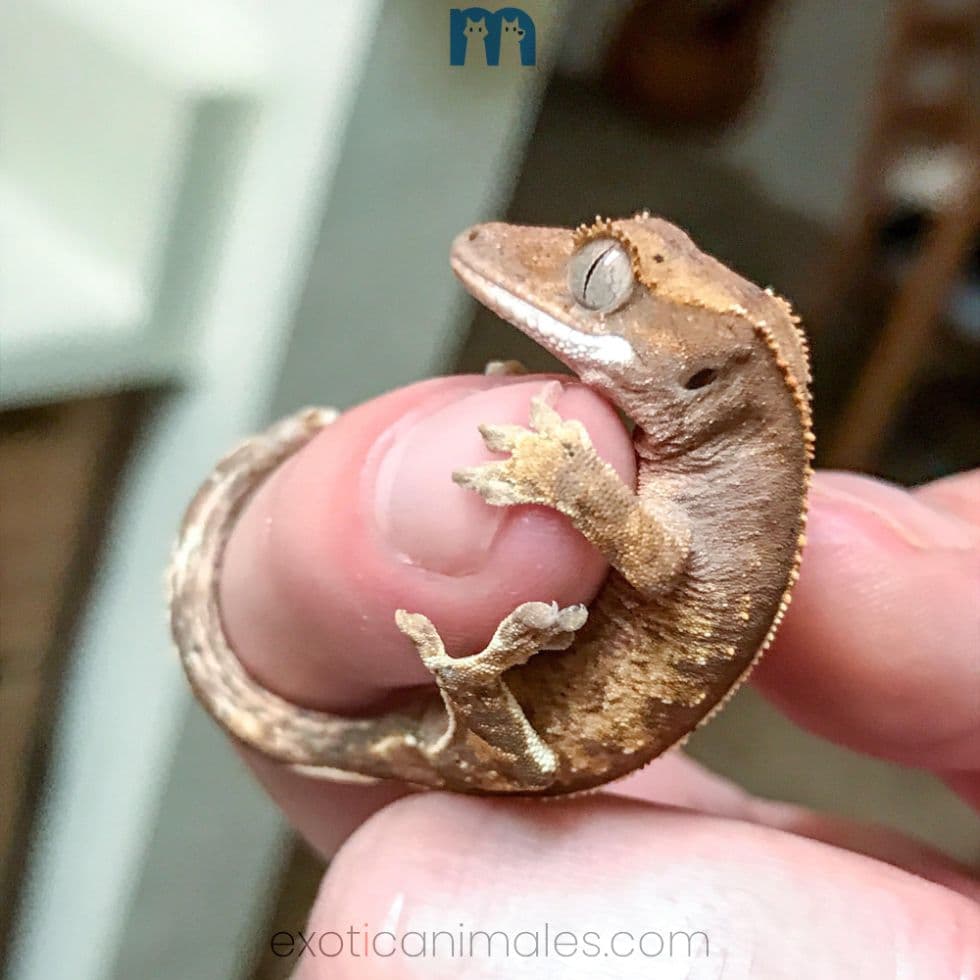
- The Crested Gecko: An arboreal (tree-climbing) lizard from New Caledonia. They have "eyelash scales", no eyelids (they lick their eyes to hydrate them!), and sticky toe pads for walking on glass. Best for those who want a vertical tropical display and a pet that doesn't strictly require live bugs.
- Lifespan: Both can live 15-20 years with proper care. We ensure every adopter understands that these "little lizards" are a long-term commitment.
You cannot house these two species the same way. Their skeletal structures and natural behaviors require specific enclosure orientations.
- Leopard Gecko (The Long Setup): They need floor space, not height. We require a minimum 20-gallon "Long tank" (30x12x12 inches) for juveniles, but a 40-gallon breeder is our ranch standard for adults to allow for a proper heat gradient.
- Crested Gecko (The Tall Setup): They need height for climbing. A minimum of 18x18x24 inches is required for an adult. We recommend front-opening glass terrariums to make misting and feeding easier without startling the gecko from above.
- Security: Both are prone to "glass dancing" if they feel exposed. We advocate for covering three sides of the tank with backgrounds to help them feel secure in their territory.
Nutrition is where these two geckos diverge significantly.
- Leopard Gecko (Strict Insectivores): They *only* eat bugs. A variety is key: Dubia roaches, crickets, and the occasional hornworm. We strictly advise against a mealworm-only diet as it lacks the necessary protein-to-fat ratio.
- Crested Gecko (Frugivores/Omnivores): In the wild, they eat rotting fruit and insects. In captivity, they thrive on Meal Replacement Powders (MRP) like Pangea or Repashy. While they can live on MRP alone, offering live insects once a week provides vital enrichment and growth boosts.
- The Golden Rule: Always "gut-load" your feeder insects with high-quality veggies 24 hours before feeding them to your gecko to ensure maximum nutrient transfer.
For years, people thought geckos didn't need light because they are "nocturna"l. We now know they are actually crepuscular (active at dawn and dusk) and benefit immensely from low-level UVB.
- Leopard Geckos: They need a "hot spot" of 90°F created by an overhead Deep Heat Projector. We recommend a 2-7% Shadedweller UVB kit to help with Vitamin D3 synthesis and prevent Metabolic Bone Disease.
- Crested Geckos: They are heat-sensitive. Room temperature (72-78°F) is usually fine. If your home exceeds 82°F, you must use cooling methods, as Cresties can suffer heatstroke very quickly.
- Night Cycles: Both species require a total blackout at night. No "red" or "blue" moon lamps—these actually disrupt their circadian rhythms and can cause long-term stress.
Proper hydration isn't just about a water bowl; it's about the air they breathe.
- Arid vs. Tropical: Leopard geckos need low ambient humidity (30-40%) but MUST have a "humid hide" filled with damp moss to help them peel off their old skin. Crested geckos need a "dry out cycle": mist heavily at night (80% humidity) and let it drop to 50% during the day.
- Stuck Shed (Dysecdysis): Keep a close eye on toes and tail tips. If skin stays stuck after a shed, it can cut off circulation and lead to necrosis (loss of limbs).
- Hydration: Crested geckos often won't drink from a bowl; they prefer to lick water droplets off leaves and glass, making daily misting mandatory.
Both species can drop their tails if they feel threatened, a process called caudal autotomy.
- Leopard Geckos: Their tail will grow back, but it will never look the same—it will be bulbous and lack the original rings. Since they store fat in their tails, a drop is a major health setback that requires supplemental feeding.
- Crested Geckos: They are "one and done". If they drop their tail, it **never** grows back. They become "frog butts". This doesn't hurt their quality of life, but it does change their look forever.
- Prevention: Never grab a gecko by the tail, and avoid loud noises or sudden movements near their enclosure. If a drop occurs, keep the area clean and move the gecko to a "quarantine" paper towel substrate to prevent infection.
MBD is the leading cause of death for captive geckos, and it is entirely preventable with proper supplementation.
- Calcium + D3: Leopard geckos need their insects dusted with calcium and D3 at almost every feeding. We also recommend a small dish of pure calcium (without D3) in the tank for them to lick at will.
- Crested Gecko Safety: Most high-quality MRPs already contain D3, but if you don't use UVB lighting, you must ensure your powder is not expired, as vitamins degrade over time.
- Signs of MBD: "Rubber jaw", curved limbs, shaking while walking, or an inability to stick to glass. If you see these signs, it is a veterinary emergency.
Using the wrong flooring can kill your gecko via "impaction" (intestinal blockage).
- The Sand Trap: Never use calcium sand or play sand for Leopard Geckos. They "taste" their environment with their tongues and will ingest the sand, which clumps in their gut.
- Better Alternatives: For Leos, use a 70/30 mix of organic topsoil and play sand, or textured slate tile. For Cresties, use coco-coir or a bioactive soil mix that holds moisture.
- The Paper Towel Method: For new adoptions, we recommend 30 days on paper towels. This allows you to monitor their "output" (poop) and ensures they are healthy before you move them to a decorative substrate.
Geckos are the perfect candidates for bioactive setups.
- The Ecosystem: By adding a drainage layer, live soil, and "Clean Up Crew" (Isopods and Springtails), you create a system that processes waste naturally.
- Plant Choices: Crested geckos love Pothos and Snake Plants, which are sturdy enough to hold their weight. Leopard geckos benefit from drought-tolerant succulents like Aloe or Haworthia.
- Lower Maintenance: While a bioactive tank has a higher upfront cost, it requires significantly less cleaning and provides the highest level of mental enrichment for your reptile.
We want to make sure your gecko thrives from Day 1. Our ranch-exclusive kits include:
- The "Leo Desert Pro Kit" ($225): 20-gallon long tank, Shadedweller UVB, Deep Heat Projector with thermostat, three hides (warm, cool, humid), and a 500-count starter colony of Dubia roaches.
- The "Crestie Canopy Kit" ($275): 18x18x24 glass terrarium, magnetic feeding ledge, 2-pack of Pangea fruit mix, a pressure mister, and a variety of "jungle vines" for climbing.
- Lifetime Support: Every gecko adopted from us comes with a "Hatchling Certificate" and direct access to our ranch experts for any husbandry questions you have as they grow.