
Hedgehogs & Hamsters
Find healthy African Pygmy Hedgehogs and ethical Syrian Hamsters for sale. Our micro-mammals are raised with superior genetics and high-quality nutrition to prevent common health issues. Nationwide delivery available for these hand-friendly, inquisitive small pets.
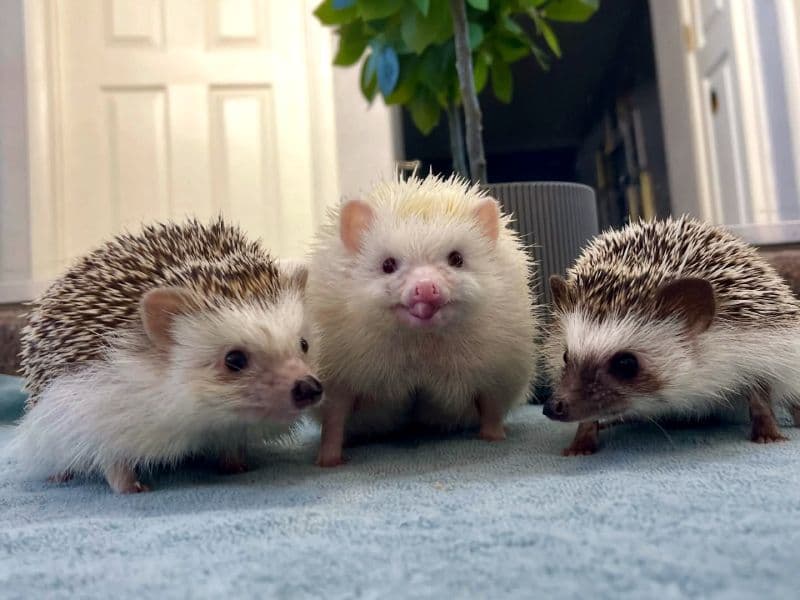


Hedgehogs & Hamsters Available For Adoption
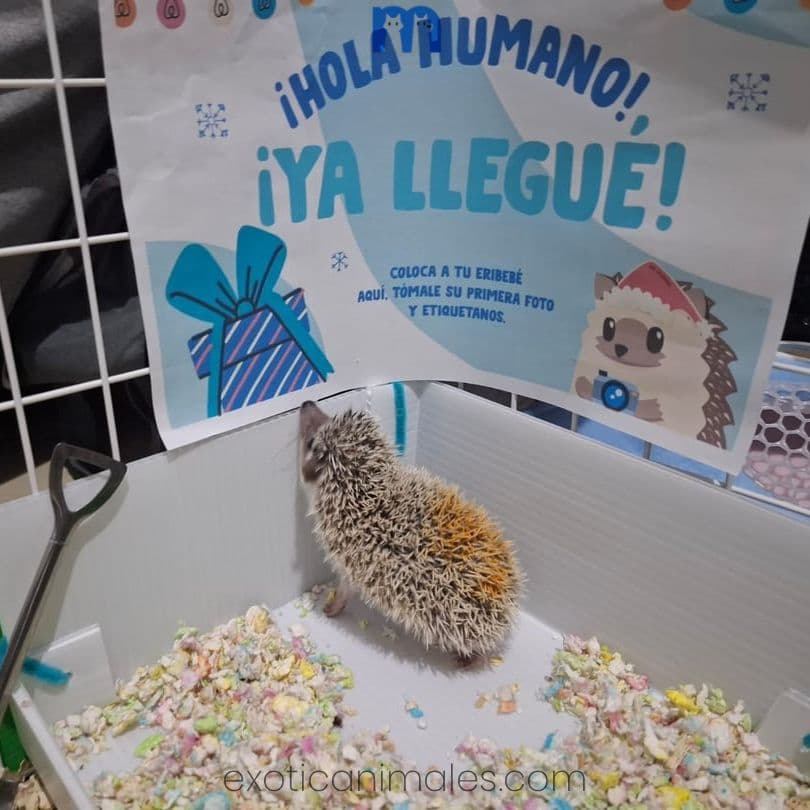
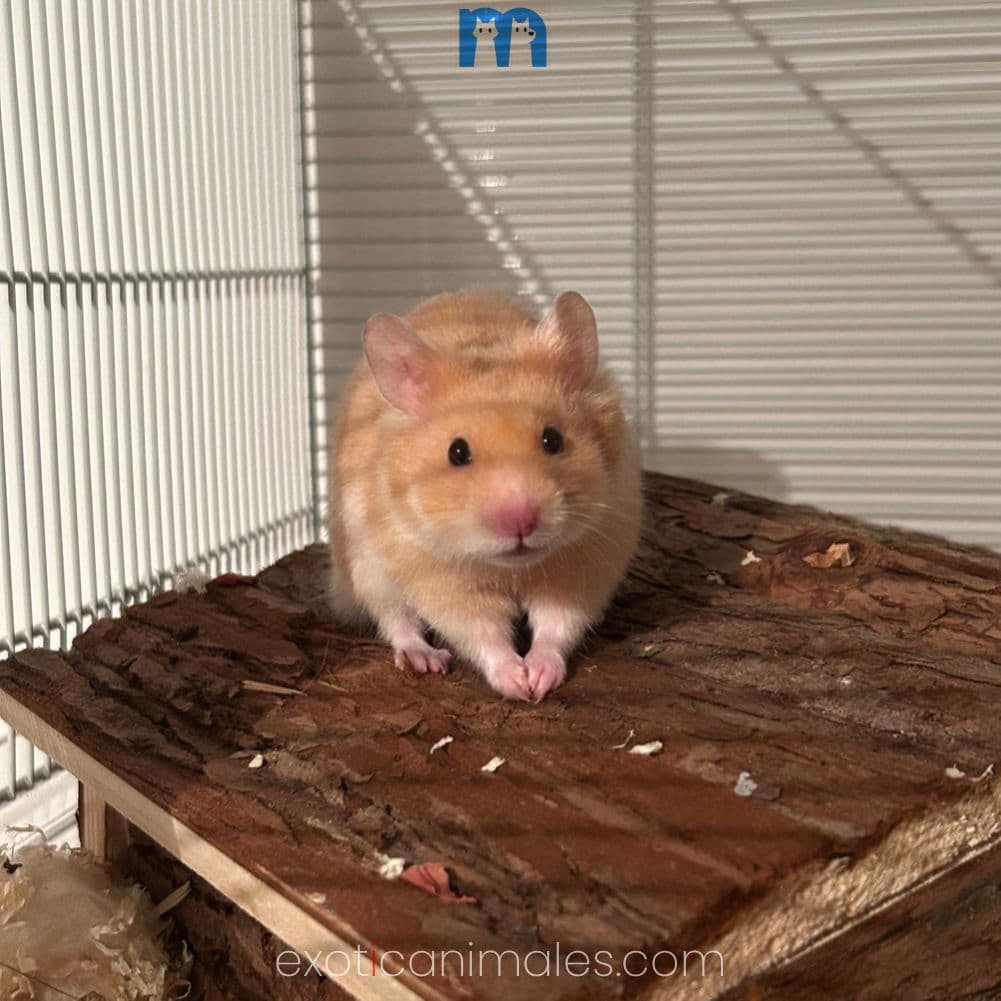
Interested in Adopting Hedgehogs & Hamsters from E.A Ranch?
Please read our pet care guide carefully before proceeding.
Hedgehogs and hamsters are frequently marketed as "easy pets for children", but at our ranch, we view them as complex exotic species that require specialized husbandry.
- Hedgehog Reality: African Pygmy Hedgehogs are solitary, nocturnal insectivores. They don't cuddle like puppies; they require patient bonding to move past their defensive "balling reflex".
- Hamster Reality: Unlike the tiny cages sold in most shops, hamsters are high-energy foragers that can travel miles in a single night.
- Longevity: Hedgehogs typically live 4-6 years, while hamsters live 2-3 years. We prioritize adopters who understand that "small" doesn't mean "short-term" or "disposable".
The most common mistake in small pet ownership is inadequate housing. "Colorful plastic cages" are almost always too small and poorly ventilated.
- Hedgehog Enclosures: We require a minimum of 4 square feet of flat floor space (e.g., a 2'x4' setup). Multi-level cages are dangerous as hedgehogs have poor depth perception and can fall.
- Hamster Enclosures: Forget the tubes. A Syrian hamster needs at least 800-1000 square inches of unbroken floor space to prevent "cage rage" and stress-induced pacing.
- Solid Floors Only: Wire flooring causes "bumblefoot" (ulcerative pododermatitis). We only approve habitats with solid, flat surfaces that protect delicate paw pads.
- Security: Both species are escape artists. Lids must be ventilated but securely latched to prevent a midnight disappearance.
Temperature is life or death for a hedgehog. Domestic hedgehogs cannot hibernate; if they get too cold, their bodies attempt to shut down, which is often fatal.
- The 75-80°F Rule: Hedgehogs must be kept in a room that stays consistently between 75°F and 80°F. If your home drops below this, a Ceramic Heat Emitter (CHE) with a thermostat is mandatory.
- Hibernation Signs: A cold belly, lethargy, and a "wobbly" walk are emergencies. We teach all our adopters how to safely perform an emergency warm-up.
- Hamster Sensitivity: While less prone to hibernation than hedgehogs, hamsters can enter a state of torpor if temperatures drop below 65°F. Proper bedding depth and room stability are key to their metabolic health.
A healthy micro-mammal is built in the kitchen, not just the pet store aisle.
- The Hedgehog Diet: They are insectivores. While a high-quality, low-fat cat kibble can be a base, they require live or canned insects (mealworms, dubia roaches, crickets) for essential chitin and mental stimulation.
- The Hamster Diet: They are omnivores. We recommend a high-variety seed mix (not just pellets) supplemented with fresh proteins like hard-boiled eggs or dried mealworms, and small amounts of leafy greens.
- Obesity Management: Both species are prone to weight gain. We provide a "Safe Foods" list to ensure your pet stays lean and active, preventing fatty liver disease.
- Water Delivery: We advocate for water bowls over drip bottles, as bottles can damage teeth and force an unnatural neck position.
Exercise is the primary enrichment for these species, but the wrong equipment is a death trap.
- No Wire/Mesh Wheels: These can catch tiny toes and snap legs. We only allow solid-surface wheels.
- Hedgehog Wheel Requirements: They need a large (12-inch) diameter wheel to prevent spinal curvature. Because they "poop-and-run", the wheel must be easy to sanitize daily.
- Hamster Wheel Requirements: Syrians need a 11-12 inch wheel so their backs remain perfectly flat while running. If the back curves, it causes permanent spinal damage.
- The "Flying Saucer" Myth: While cute, these often cause unnatural running gaits and are only recommended as secondary enrichment, not a primary wheel.
Bonding with a hedgehog or hamster requires a "low and slow" approach.
- Scent Recognition: We recommend placing a worn t-shirt near their sleeping area so they associate your scent with safety.
- The "Snuggle Sack": For hedgehogs, use a fleece bonding bag. This allows them to feel covered while they get used to the sound of your voice and your movement.
- Hamster Taming: Use the "bathtub method" — sit in a dry tub with your hamster and let them climb over you. This creates a safe, enclosed space for interaction.
- Respecting the Nap: Both are nocturnal/crepuscular. Waking them up mid-day for playtime is like someone pulling you out of bed at 3 AM; it leads to grumpy, defensive pets.
Many commercial beddings are actually toxic to small mammals' respiratory systems.
- Avoid Cedar & Pine: These contain phenols (aromatic oils) that cause respiratory distress and liver damage.
- Paper-Based Bedding: High-quality, unscented paper bedding is great for hamsters, as it holds burrows well.
- Fleece Liners: Many hedgehog owners prefer anti-pill fleece liners. They are eco-friendly, washable, and eliminate the risk of dust allergies.
- Dig Boxes: Both species benefit from a "dig box" filled with safe materials like sterilized coco-husk or pom-poms to encourage natural foraging instincts.
Because they are small, their health can decline in hours, not days.
- Wobbly Hedgehog Syndrome (WHS): A progressive neurological disease. We screen our breeding lines, but owners must know the early signs of ataxia.
- Wet Tail in Hamsters: A severe, stress-induced bacterial diarrhea that is nearly always fatal without immediate vet intervention.
- Tumors & Cysts: Both species are prone to growths. Monthly "lump checks" during handling are vital.
- Quilling: Young hedgehogs go through a "quilling phase" (like teething) where they lose baby quills and grow adult ones. They are extra grumpy during this time, and we provide soothing oat-bath guides to help.
Hamsters—especially Dwarfs and Roborovskis—and some hedgehogs require sand for hygiene.
- Oil Control: Hamsters use sand to strip excess oils from their fur. Without it, they become greasy and prone to skin infections.
- What to Use: Use calcium-free reptile sand or heat-treated play sand. NEVER use "chinchilla dust", as the fine particles cause deadly respiratory infections.
- Litter Training: Many hedgehogs will instinctively use a sand box as a litter tray, making cage cleaning significantly easier for you.
We want to ensure you leave the ranch with the right gear, not just the right pet.
- Hedgehog Deluxe Kit ($300): Includes a 12-inch Carolina Storm Wheel, a digital thermostat, a CHE heat setup, a bonding pouch, and a 1-month supply of our custom insectivore kibble mix.
- The "Burrower Hamster Kit" ($200): Includes a large format habitat, 11-inch solid wheel, 10 pounds of safe paper substrate, a sand bath container, and a foraging seed mix.
- Health Guarantee: All our ranch-raised small pets come with a 14-day health guarantee and lifetime support for husbandry questions.