
Kangaroos & Wallabies
Premium hand-reared Red Kangaroo and Bennett’s Wallaby joeys available for adoption. We offer expert guidance on macropod husbandry and secure, climate-controlled transport across the US. Own a gentle grazer from a ranch dedicated to ethical breeding and socialized "mob dynamics".
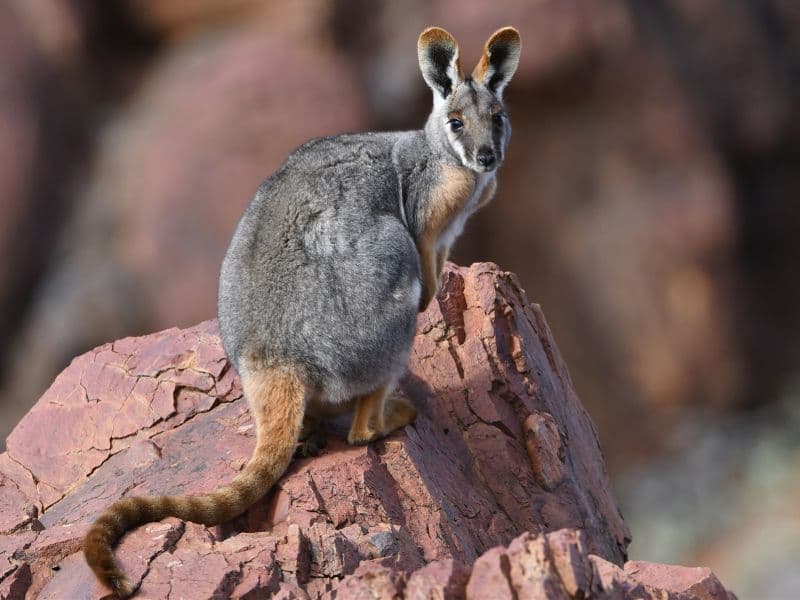
Kangaroos & Wallabies Available For Adoption
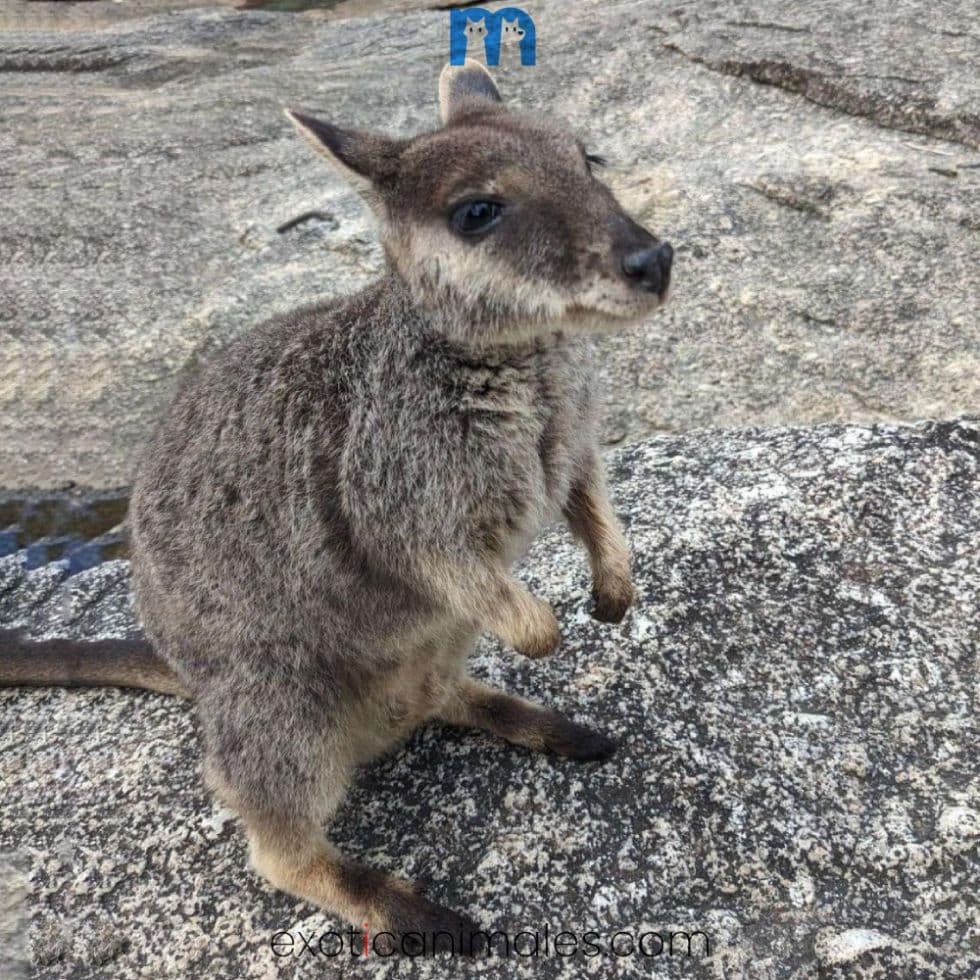
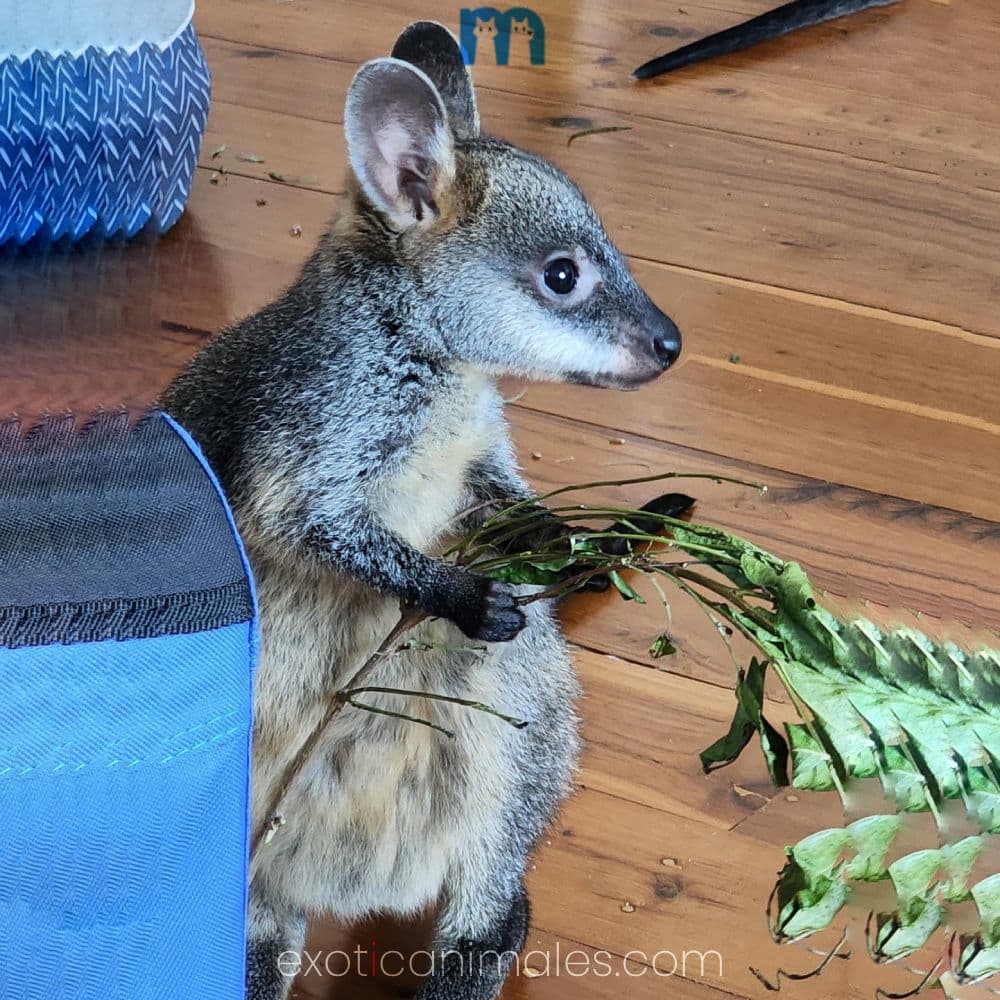
Baby Pouch Kangaroos & Wallabies
Social Mob Dynamics & Expert Delivery
The Magnificent Macropods: From Our Pouch to Your Pasture
At E.A. Ranch, our joeys are hand-reared with expert care, ensuring they are perfectly socialized and comfortable with human touch. We focus on early pouch-training, which makes our babies exceptionally docile and easy to handle during the transition to their new homes. Whether you are looking for the stately presence of a Kangaroo or the playful charm of a Wallaby, our animals are bred for health, temperament, and a long life of companionship.
We offer professional delivery to all legal states, utilizing USDA-approved transport methods to maintain a calm environment for the animal. We also provide assistance with permit verification and a comprehensive care manual to ensure you have everything you need for success. From our ranch to your pasture, we are dedicated to providing the highest quality exotic marsupials and ongoing support for our community of owners.
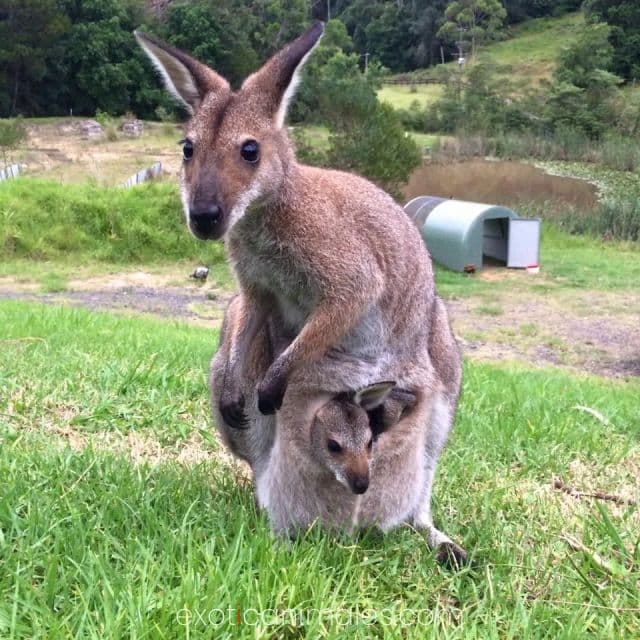
Interested in Adopting Kangaroos & Wallabies from E.A Ranch?
Please read our pet care guide carefully before proceeding.
- USDA Licensing: If you plan to exhibit your animal or use it for commercial purposes, a USDA Class C license is mandatory.
- Prohibited States: Generally, macropods are illegal in states like California, Georgia, and many parts of the Northeast.
- Permit Processes: States like Florida or Texas often require specialized permits that involve facility inspections and proof of experience.
- Acreage Requirements: Many local municipalities have "minimum land" requirements (often 1-2 acres) to house large exotic mammals.
- Fencing Height: For wallabies, a minimum of 5-6 feet is required. For large Red or Grey Kangaroos, you need 8-foot non-climb fencing.
- Ground Security: Fencing should be buried or have a "skirt" to prevent predators from digging in and macropods from trying to push under.
- Shelter: They require a climate-controlled barn or shed. While they are hardy, they are susceptible to frostbite on their tails and ears in temperatures below freezing.
- Substrate: Natural grass is best, but high-traffic areas should have gravel or sand to prevent the ground from becoming a mud pit, which contributes to foot rot.
- Psychological Health: A single kangaroo often becomes overly dependent on humans, leading to "separation anxiety" or, conversely, aggression as they reach sexual maturity.
- Safety in Numbers: In the wild, they rely on each other to watch for predators. A lone animal is a stressed animal, constantly on high alert.
- Bonded Pairs: We strongly prioritize adopters who take two joeys (usually two females or a neutered male and a female).
- Specialized Pellets: They require a low-iron, high-fiber pellet specifically formulated for macropods (like Mazuri or LabDiet). Cattle or horse feed can be fatal due to incorrect mineral ratios.
- The Importance of "Browse": Access to fresh, non-toxic branches (Willow, Elm, or Mulberry) provides essential tannins and keeps their teeth worn down.
- Fresh Forage: High-quality Timothy or Orchard grass hay should be available 24/7. Avoid Alfalfa as it is too high in protein and calcium for daily maintenance.
- Vitamin E: Supplementation is often necessary to prevent "White Muscle Disease", a common and fatal condition in captive macropods.
- The Symptoms: Muscle stiffness, paralysis, and tea-colored urine (due to muscle breakdown products hitting the kidneys).
- The Cause: Being chased by a dog, excessive handling by strangers, or a botched transport.
- The Outcome: Once symptoms appear, the prognosis is often grim, even with veterinary intervention.
- Males vs. Females: Un-neutered males can become "punchy" and territorial as they hit puberty. They will view their human keepers as rivals to be wrestled.
- The Kick: Even a friendly wallaby has powerful legs and sharp claws. Accidental scratches are a part of the job.
- Nocturnal Rhythms: While they aren't strictly nocturnal, they are crepuscular (most active at dawn and dusk). This is when you'll see the most "zooming" and play-fighting.
- Specialized Knowledge: You need a vet comfortable with macropod-specific issues like coccidiosis, lumpy jaw, and dental abscesses.
- Travel Logistics: Does your vet come to you, or do you have a trailer safe enough to transport a stressed kangaroo?
- Emergency Fund: A single emergency surgery or hospital stay for an exotic mammal can easily exceed $2,000.
- The Joey Phase: Yes, young joeys need "pouch time" and can be kept indoors for socialization and bottle feeding.
- House-Training: Macropods cannot be potty trained. They will eliminate wherever they stand.
- Destructive Behavior: As they grow, their powerful kicks can damage drywall, and their curiosity leads to chewing on electrical cords.
- The Transition: By 6-8 months of age, they should be transitioned to a secure outdoor enclosure for their physical and mental well-being.
- Feed: Expect to spend $60-$120 per month on specialized pellets and high-end hay.
- Land Maintenance: Fencing repairs, shelter heating, and pasture management can add $500-$1,000 annually.
- Supplements: Essential Vitamin E and Selenium supplements cost around $100 per year.
- Vet Care: Annual exams and fecal tests average $300-$500, not including emergency visits.
- The "Nursery Kit" ($450): Includes a hanging "mock pouch" stand, three washable fleece liners, specialized macropod milk replacer (Wombaroo), calibrated feeding bottles, and a digital gram scale for weight monitoring.
- The "Juvenile Upgrade" ($600): Adds a 50lb bag of starter pellets, a Vitamin E supplement kit, a specialized grooming brush, and a "Low-Stress" transport crate.
- Custom Pouch Liners: We sell hand-sewn, heavy-duty fleece pouches designed to mimic the mother's natural environment, available in various sizes as your joey grows.