
Pet Turtles
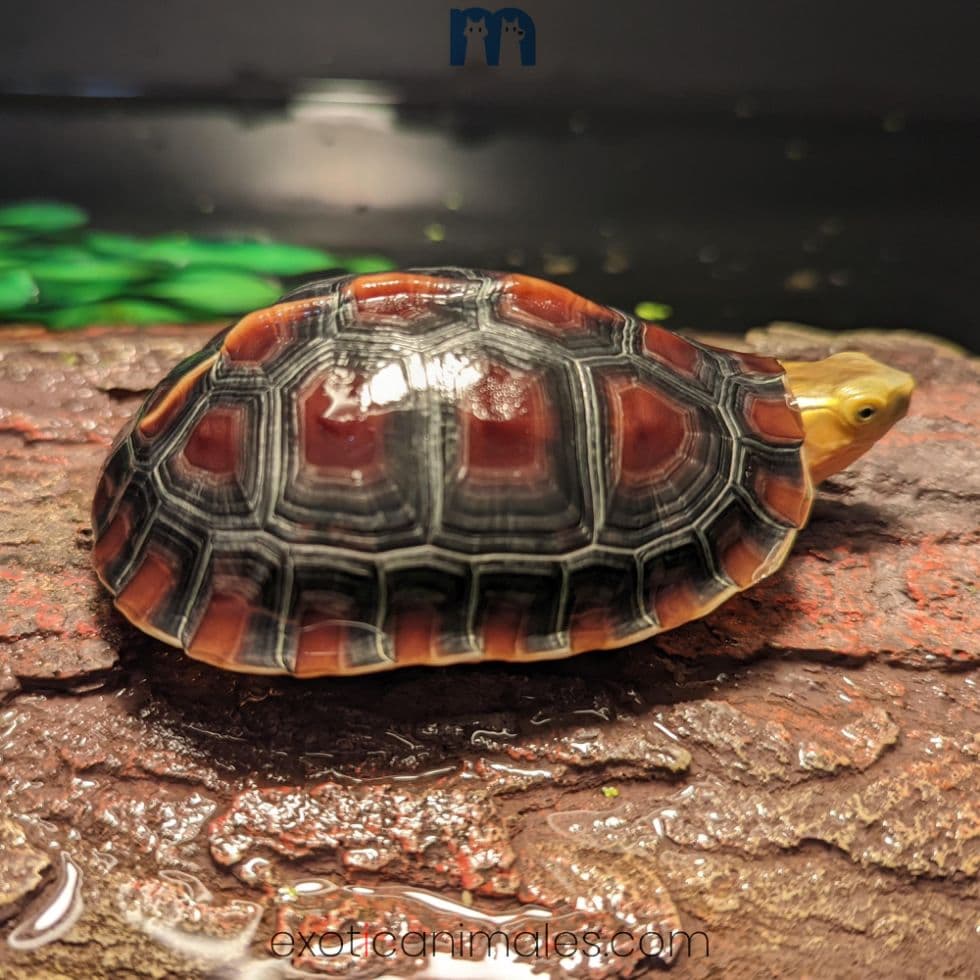
Healthy aquatic and semi-aquatic Pet Turtles for sale, from small Musk turtles to iconic Painted and Map turtles. We focus on shell health and robust genetics. Shipped nationwide with our industry-leading live-arrival guarantee and specialized filtration advice.



Interested in Adopting Pet Turtles from E.A Ranch?
Please read our pet care guide carefully before proceeding.
Turtles are not "disposable pets"; they are generational companions. Depending on the species, a healthy aquatic turtle can live anywhere from 30 to over 50 years.
- Growth Reality: That cute, quarter-sized hatchling will eventually grow into a 10-to-12-inch powerhouse.
- The Commitment: You aren't just buying a pet for a child; you are likely buying a pet that will follow that child to college and beyond.
- Estate Planning: It sounds extreme, but many dedicated keepers actually include their turtles in their wills.
Not all turtles require a massive backyard pond. Selecting the right species for your available space is the first step to success.
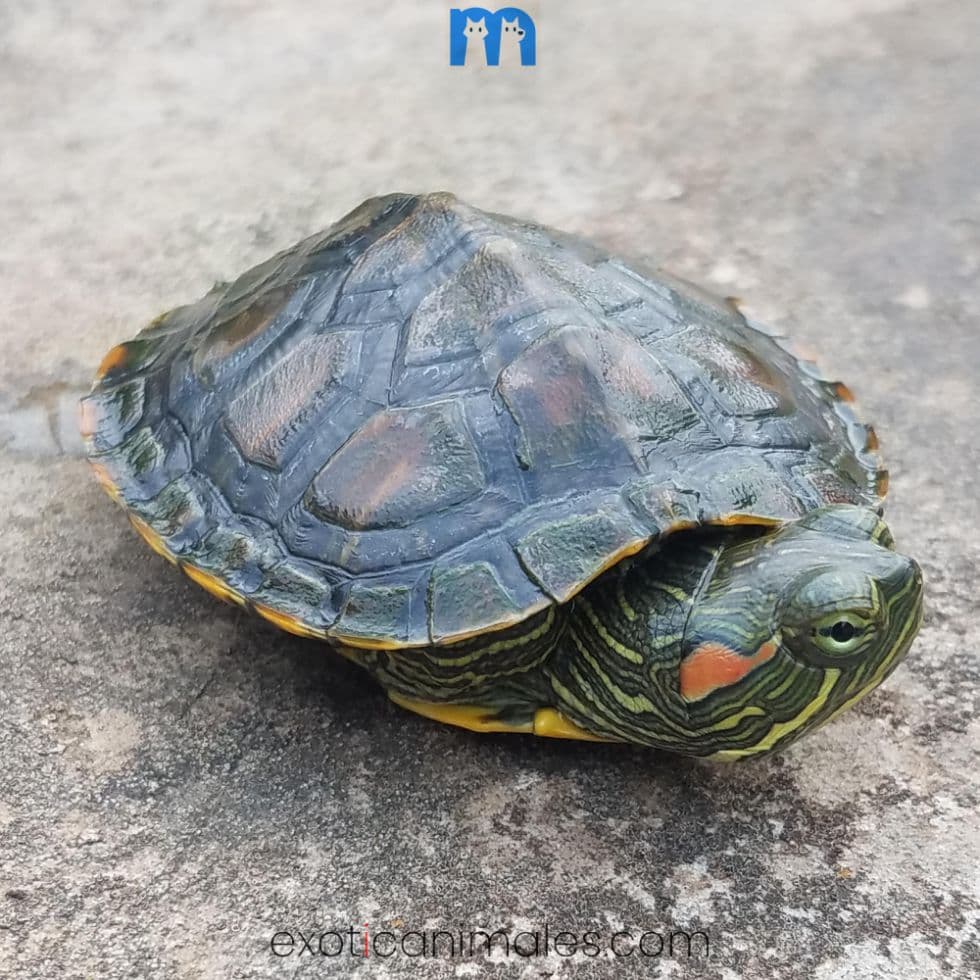
- Red-Eared Sliders: The most popular, but also the largest and messiest. They require at least a 75-100 gallon tank as adults.
- Painted Turtles: Beautifully colored and slightly smaller than sliders, making them a great "intermediate" choice.
- Musk & Mud Turtles: Our top recommendation for apartment dwellers. They stay small (4-5 inches) and are more "bottom-walkers" than open-water swimmers.
- Map Turtles: Stunning "sawback shells" but can be quite skittish and require very high water quality.
One of the biggest causes of turtle stress and illness is cramped quarters. To thrive, an aquatic turtle needs space to swim, dive, and explore.
- The Formula: The industry standard is 10 gallons of water for every 1 inch of shell length. A 6-inch turtle needs a 60-gallon tank at minimum.
- Depth Matters: Most aquatic turtles are strong swimmers and enjoy deep water, provided there are resting spots near the surface.
- Floor Strength: Remember that a 100-gallon setup weighs over 1,000 lbs. We advise our adopters to ensure their flooring or stands are rated for that kind of weight.
Turtles are significantly messier than fish. They eat in the water and waste in the water, which leads to rapid ammonia spikes.
- Canister Filters: Don't bother with internal "hang-on-back" filters. For turtles, you need a high-quality canister filter rated for 2-3 times the size of your tank.
- Biological Load: A powerful filter isn't just about clear water; it’s about housing the beneficial bacteria that keep the water chemistry safe.
- Water Changes: Even with a great filter, a 25% weekly water change is mandatory to remove nitrates and keep the environment "ranch-fresh".
A turtle cannot digest its food or maintain its shell without a proper "dry" basking area.
- The Dual-Bulb System: You need a heat lamp to bring the basking area to 90-95°F and a specialized 10.0 UVB bulb to prevent Metabolic Bone Disease.
- Total Dryness: The turtle must be able to get its entire body—including its plastron (belly)—completely out of the water to prevent shell rot.
- Day/Night Cycle: Lights should be on for 10-12 hours a day. We recommend smart timers so your turtle gets a consistent "sun" schedule even when you aren't home.
In the wild, turtles are opportunistic omnivores. A diet of only pellets leads to vitamin deficiencies and "pyramiding" (deformed shell growth).
- The 50/50 Rule: For adult turtles, half their diet should be high-quality pellets, and the other half should be fresh greens (Collard greens, Dandelion greens, Red leaf lettuce).
- Protein Boosts: Occasional treats of feeder fish, ghost shrimp, or earthworms provide essential minerals and hunting enrichment.
- Calcium: We recommend keeping a "cuttlebone" (the kind used for birds) floating in the tank at all times for the turtle to munch on for shell strength.
The shell is a living part of the turtle's ribcage; if it’s sick, the turtle is sick.
- Shell Rot (Ulcerative Shell Disease): Look for soft spots, white fuzzy patches, or a foul odor. This is usually caused by poor water quality or a lack of UVB.
- Respiratory Infections: If your turtle is swimming lopsided, floating uncontrollably, or has bubbles coming from its nose, it needs an exotic vet immediately.
- Metabolic Bone Disease (MBD): Signs include a soft/pliable shell or "beak deformities". This is a direct result of improper lighting and diet.
It is a reality of reptile keeping: all turtles can carry Salmonella. However, with basic hygiene, the risk is incredibly low.
- Hand Washing: Always wash your hands with antibacterial soap after handling your turtle or touching the tank water.
- No Kitchen Cleaning: Never clean turtle filters or decor in the kitchen sink where food is prepared. Use a dedicated utility sink or an outdoor hose.
- Children: We advise that children under five be closely supervised and taught not to kiss or put turtles in their mouths.
If you live in a climate that allows it, an outdoor pond is the gold standard for turtle care.
- Natural Sunlight: Nothing beats the sun for UVB and Vitamin D3 synthesis.
- Predator Proofing: Outdoor enclosures must have secure lids or "overhang" fencing to keep out raccoons, hawks, and stray cats.
- Hibernation (Brumation): Only advanced keepers should attempt outdoor hibernation. We offer consultation on how to safely overwinter your turtles in deeper, non-freezing pond zones.
We take the guesswork out of setup with our "Ranch-Tested" turtle kits.
- The "Micro-Pond Kit" ($350-$500): Includes a 40-75 gallon tank, a high-output canister filter, a floating basking dock, a dual-dome light fixture, and a 3-month supply of our "Ranch Mix pellets".
- Water Conditioning Pack ($45): Includes dechlorinator, "sludge-busting" beneficial bacteria, and a pH testing kit to keep your water crystal clear.
- Custom Basking Platforms: We sell heavy-duty, naturalistic basking ramps that won't sink under the weight of an adult turtle.