Adoption background

Prairie Dogs & Capybaras

Adopt the world’s most social rodents—from whistling Prairie Dog pairs to gentle, swimming Capybaras. All our rodents are USDA-licensed and captive-bred. We offer climate-controlled delivery and specialized starter kits to ensure your ranch-raised pet thrives in its new home.
Prairie Dogs & Capybaras Available For Adoption
Available
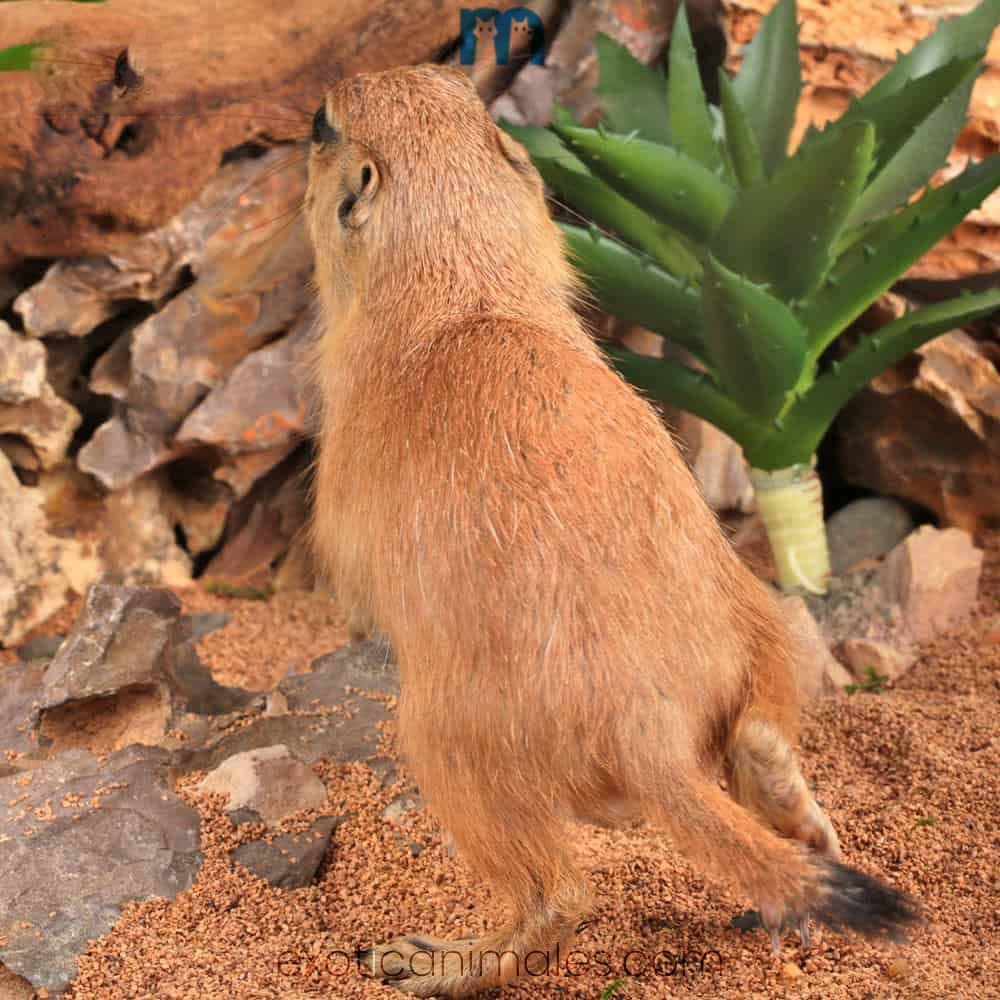
Baby Prairie Dog for sale

Baby Prairie Dog for sale

Active and social, ideal for experienced keepers.

Vet CheckedSocialized
$299.99
Available
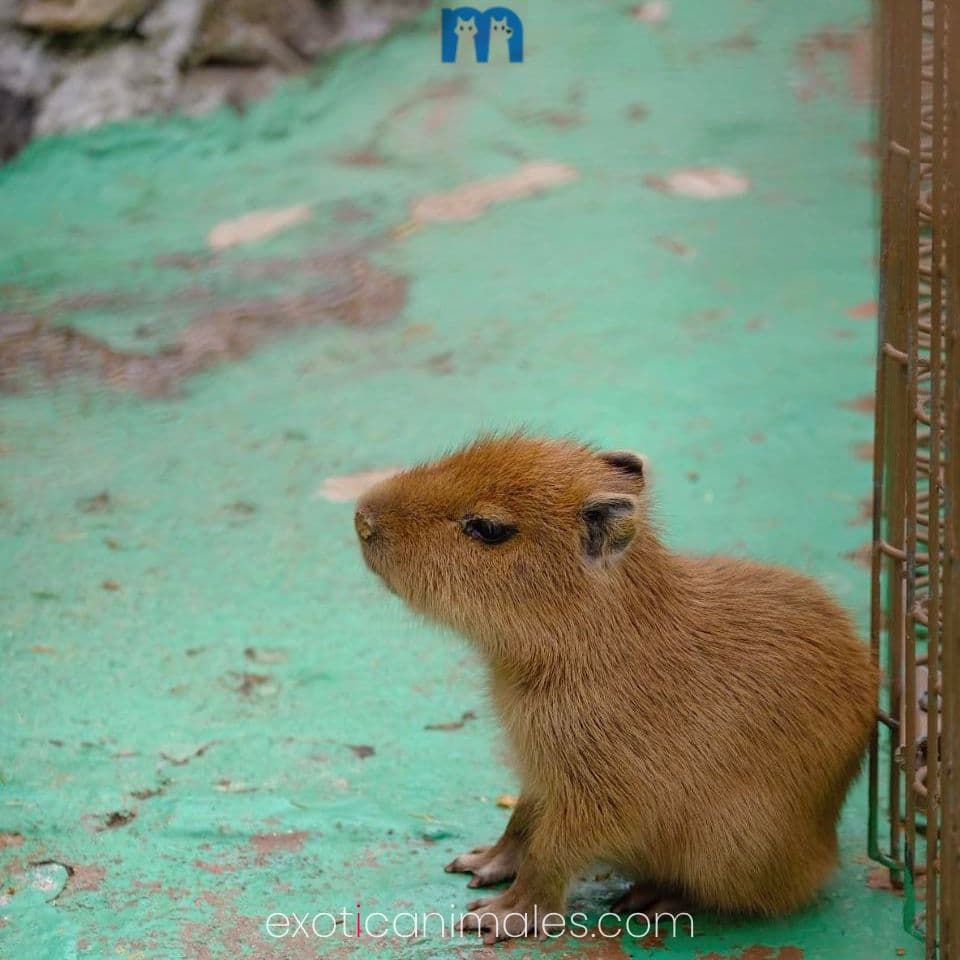
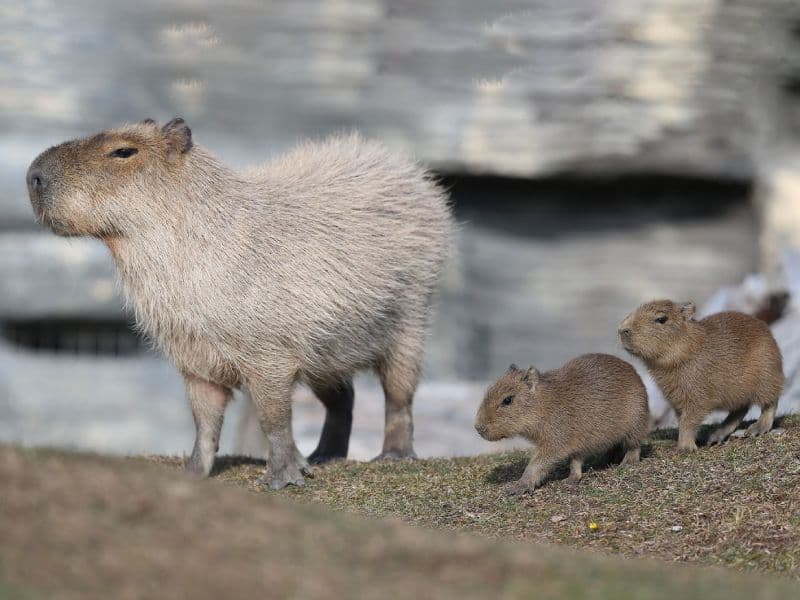
Baby Capybara for sale

Baby Capybara for sale

Large social rodent, requires spacious aquatic and terrestrial setup.

Vet CheckedSocialized
$2499.99

The World’s Largest & Loudest Rodents

The Capybara (Hydrochoerus hydrochaeris) is the undisputed "friend to everyone" in the animal kingdom. As the world’s largest rodent, they are semi-aquatic specialists that thrive when they have access to swimming areas and plenty of sun. They are incredibly docile, often forming bonds with other household pets and their human keepers through soft chirps and whistles. In contrast, our Black-Tailed Prairie Dogs are the social dynamos of the rodent world. Famous for their "jump-yip communication", these highly intelligent burrowers live in complex family groups called coteries. They are intensely affectionate and require significant daily interaction to stay happy. Because they are colony animals, we exclusively offer them in pairs to ensure their mental well-being and prevent loneliness-induced stress.

Care, Socialization & Nationwide Delivery

Capybaras need a wet and dry environment with UV access to maintain their skin and dental health. Prairie Dogs, on the other hand, need deep substrate or specialized tunnel enclosures to satisfy their innate urge to burrow. Both species are herbivores, requiring a strict diet of high-quality grasses, Timothy hay, and specialized pellets. We understand that traveling to our ranch isn't always possible, which is why we offer safe, climate-controlled delivery across the United States where legal. Our transport team is experienced in handling exotic rodents, ensuring your new companion arrives stressed-free and healthy. Every animal is USDA-certified and comes with a health certificate, transition food, and a detailed care guide to help you start your journey as a "mega-rodent keeper".

From Tunnel Builders to River Swimmers

At E.A. Ranch, our Prairie Dogs and Capybaras are raised in a social, high-enrichment environment. Our Capys are famous for their 'chill' attitudes, having been socialized around water and various ranch sounds from birth. Meanwhile, our Prairie Dog pups are hand-raised during their weaning phase to ensure they are 'pocket-tame' and ready for life in a human home. We focus on healthy genetics and robust social foundations, making our rodents some of the most sought-after exotic pet companions.

Shipping and delivery are handled with the utmost care, utilizing specialized carriers that meet all USDA requirements. Whether you are adding a pair of whistling Prairie Dogs to your family or a swimming Capybara to your estate, we facilitate the entire process from permit verification to front-door drop-off. Please note that these species are restricted in several states; we will assist you in verifying your local laws before finalizing any adoption.

Prairie Dogs & Capybaras

Interested in Adopting Prairie Dogs & Capybaras from E.A Ranch?

Please read our pet care guide carefully before proceeding.

Prairie dogs and capybaras are best suited for owners who genuinely enjoy animals that think, observe, and react to their environment. These are not novelty pets or hands-off displays. Prairie dogs thrive with owners who are present daily and comfortable with vocal, curious, sometimes opinionated animals. Capybaras require calm, patient caretakers with the space and lifestyle to accommodate a semi-aquatic grazer that forms deep social bonds. We prioritize homes that value routine, land stewardship, and long-term responsibility. If you enjoy watching natural behaviors unfold rather than forcing interaction, these animals can be incredibly rewarding companions.
They can be exceptional animals for the right home—and deeply challenging for the wrong one. Prairie dogs are intelligent, vocal, and emotionally expressive. They recognize caretakers, develop preferences, and can become anxious if ignored or overstimulated. Capybaras are gentle and calm, but their size, strength, and environmental needs are often underestimated. The Pros: strong social bonds, fascinating behaviors, long lifespans, and a unique presence unlike traditional pets. The Challenges: space requirements, specialized care, legal considerations, and the reality that these animals adapt poorly to frequent changes or impulse ownership. Success depends less on experience and more on patience and consistency.
Space isn’t just about comfort—it directly impacts behavior and health. Prairie dogs need room to dig, tunnel, retreat, and observe from elevated points. When confined, they often develop stress behaviors such as excessive vocalization or withdrawal. Capybaras require both land and water space to regulate body temperature, joint health, and mental well-being. A shallow pond or pool isn’t optional—it’s a biological necessity. Properties that allow animals to move naturally see calmer temperaments, healthier bodies, and easier handling over time.
Both prairie dogs and capybaras are intensely social species. Prairie dogs live in complex colonies where communication is constant. Isolated individuals often develop anxiety, depression, or aggression—even with human interaction. Capybaras rely on companionship for emotional regulation and safety; a solitary capybara is almost always a stressed one. We strongly recommend:
  • Keeping prairie dogs in compatible pairs or groups
  • Housing capybaras with at least one companion (another capybara or compatible hoofstock)
Social fulfillment dramatically improves temperament, appetite, and overall health.
Feeding these species correctly is less about variety and more about consistency. Prairie dogs are strict herbivores requiring high-fiber grasses, hay, and leafy greens. Excess fruit or processed feeds often lead to obesity and dental disease. Capybaras are grazers designed for near-constant intake of grasses and aquatic plants. Poor diets show up quickly as digestive issues, joint strain, or lethargy. Owners who succeed long-term treat feeding as a daily rhythm rather than a once-a-day task.
Capybaras are semi-aquatic animals, and water access is essential for both physical and mental health. Swimming supports joint mobility, skin health, and natural cooling. A proper setup includes:
  • A shallow-entry pool or pond for easy access
  • Clean, regularly refreshed water
  • Dry areas nearby for resting and sunning
Capybaras without adequate water often develop skin problems, stress behaviors, and reduced activity levels.
These animals are not cuddly in the traditional sense, and forcing interaction almost always backfires. Prairie dogs prefer predictable routines and gradual trust-building. They may approach on their own terms, especially during feeding or quiet observation periods. Capybaras tolerate touch once trust is established but are rarely affectionate in a dog-like way. Owners who allow interaction to develop naturally often experience far deeper bonds than those who rush physical contact.
Prairie dogs and capybaras are regulated differently depending on state, county, and even city zoning laws. Some areas require permits, inspections, or specific enclosure standards. Others prohibit ownership entirely. Legal verification should happen before purchase, enclosure construction, or transport. We require buyers to confirm legality in their jurisdiction to protect both the animal and the owner from future complications.
Initial purchase is only a fraction of the total investment. Ongoing costs include enclosure maintenance, fencing, feed, water management, veterinary care, and seasonal adjustments. Capybaras in particular require infrastructure—ponds, drainage, shade structures—that many first-time owners overlook. Planning financially from the start prevents compromised care later.
Prairie dogs and capybaras are long-lived animals that become part of your daily routine. Travel requires experienced caretakers. Weather affects feeding and habitat management. These animals notice when routines change. For owners who enjoy structure, land-based living, and meaningful animal relationships, this commitment is deeply fulfilling. For those seeking convenience, it can quickly become overwhelming. Being honest with yourself before committing is the most responsible decision you can make.