Adoption background

Skunks & ferrets

Captive-bred, de-scented Pet Skunks and inquisitive Weasels for sale in a variety of unique coat patterns. Our small carnivores are raised for temperament and health. We provide nationwide delivery to all legal states and comprehensive care guides for these playful pets.
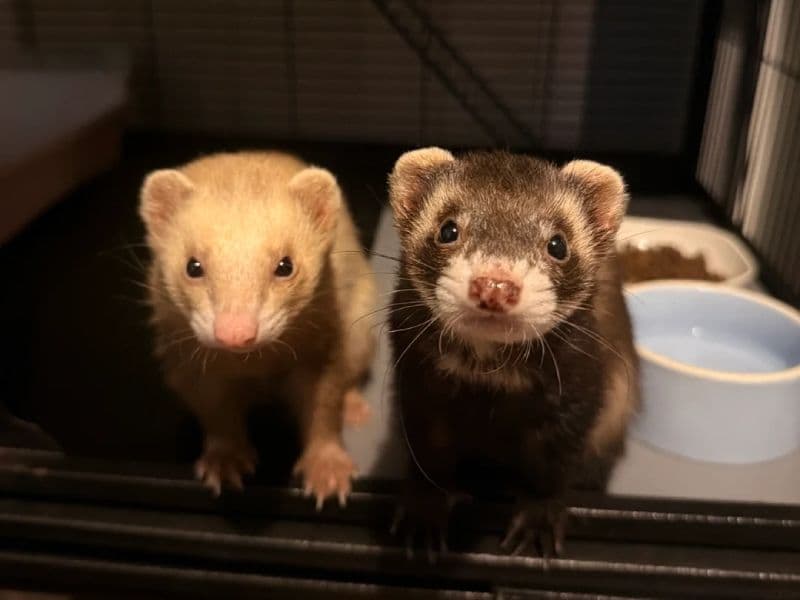
Skunks & ferrets Available For Adoption
Available
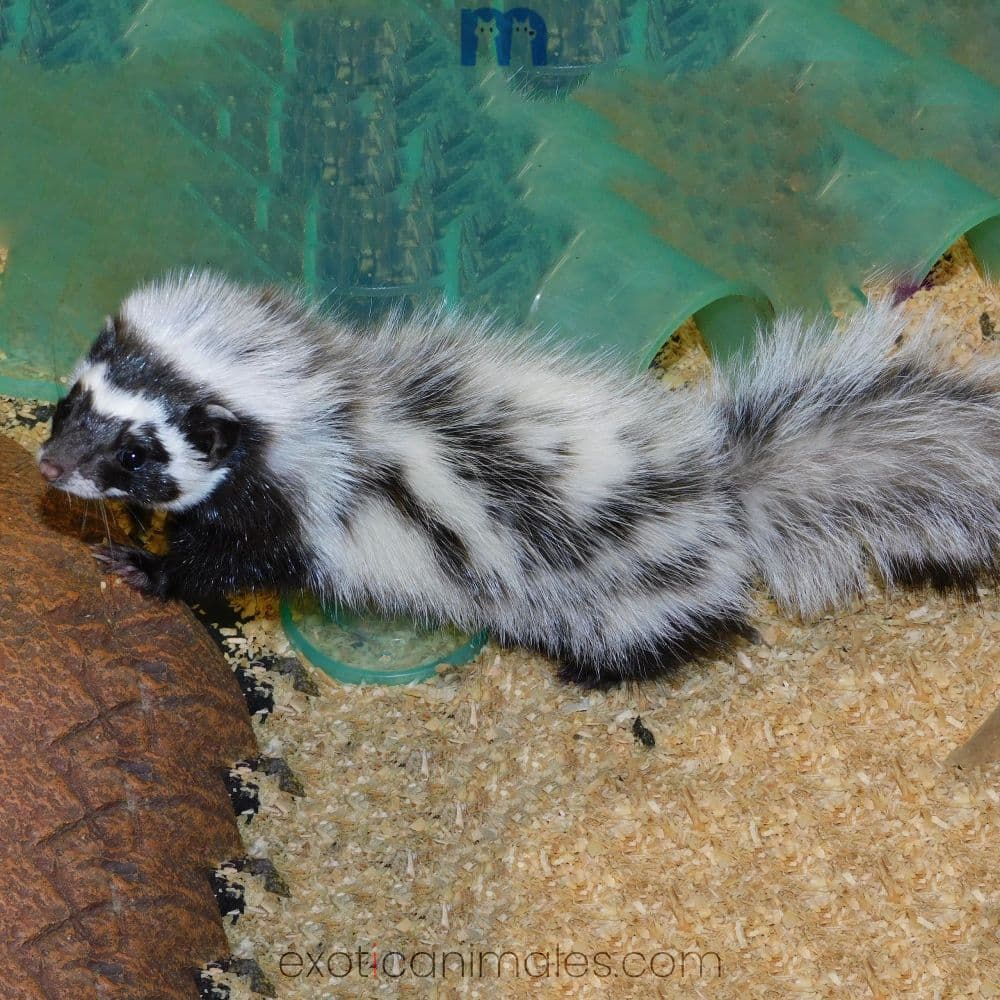
Striped Baby African Weasel

Striped Baby African Weasel

Friendly and social, suitable for experienced owners.

Vet CheckedSocialized
$499.99Reserve

Fur-Bearer Skunks & Ferrets

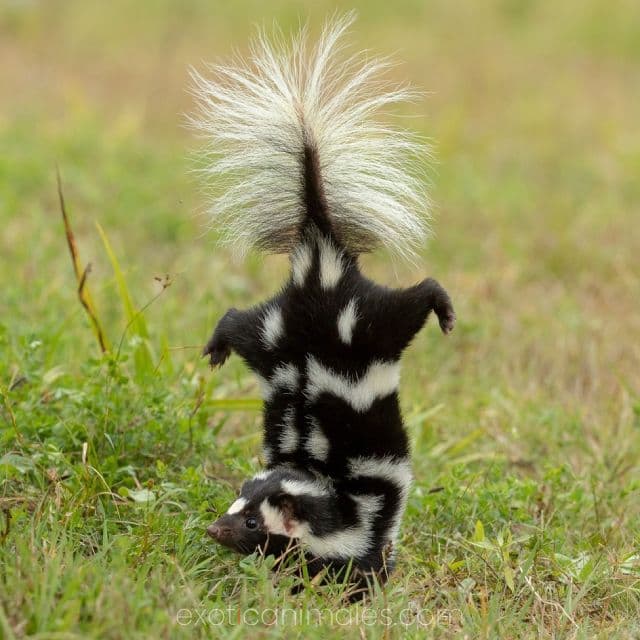
While often grouped together due to their slender builds and musk glands, skunks and ferrets (weasels) actually belong to different families: Mephitidae and Mustelidae, respectively. The skunk is North America’s most famous defense specialist, utilizing a dual-scented spray that can reach targets up to 15ft away. In contrast, weasels are high-octane carnivorous predators with an incredibly fast metabolism for hunting. However, there is a massive difference between a wild animal and one that has been hand-raised with intention. We focus on nurturing our skunk kits and spending hours socialising baby weasels so they are actually excited to see you everytime.

Adopt a Ferret/Striped Companion

If you've ever wanted a pet that is half-cat, half-toddler, and entirely hilarious, a skunk or ferret fits the bill. Skunks are surprisingly "mellow rug-hugs" that love to be scratched behind the ears and can be taught to use a litter box just like a cat. On the flip side, members of the ferret family are pure liquid energy—they will find every hidden corner of your house and turn it into a toy stash. They both require a high-protein, specialized diet to keep their coats shiny and their hearts healthy. It’s a 10-to-12-year commitment to a life that is never boring, and we love helping families figure out if they’re ready for that kind of beautiful, busy chaos.

Baby Skunks & Weasels: Finding the Right Home Nationwide

It's a common surprise for people to learn that a skunk or weasel can be a legal member of the family, but the rules change from state to state. Some places see them as wildlife, and others as pets, so we spend a lot of time staying on top of which states are welcoming and which ones aren't. As trusted ferret breeders we take the guesswork out of the adoption process for you, handling the permits and the safe travel details so your only job is getting the house ready for a new set of paws. Since these animals have very specific legal statuses, we make sure every box is checked long before they leave our hands in Liberty Hill.

Skunk adoption package includes a custom-formulated nutrition guide and our Breeder for Life support to help you through every milestone.
Skunks & ferrets

Interested in Adopting Skunks & ferrets from E.A Ranch?

Please read our pet care guide carefully before proceeding.

Adopting a member of the Skunk or ferret family—including minks, stoats, and domesticated skunks—is a commitment to a high-energy, inquisitive, and occasionally mischievous companion. These animals are famous for their "liquid bodies", allowing them to squeeze into impossible spaces, and their high intelligence, which requires constant mental stimulation. We look for adopters who understand that while skunks are often calm and cat-like, ferrets and minks are "perpetual motion machines" with high metabolisms. Both require a home that is 100% "escape-proofed", as their instinct to explore and cache food is relentless. If you value a sedentary pet, a mustelid is likely not the right fit; however, for the active owner, they offer a playful, bond-heavy experience unlike any other.
The legality of owning skunks and ferrets is highly complex and varies significantly by state. Most captive-bred skunks are descented (anal scent glands removed) at a very young age, but they are still illegal in states like California, New York, and Hawaii. States like Florida, Indiana, and Ohio generally allow them with a permit. For weasels and minks, many jurisdictions classify them as "fur-bearers" or "exotic predators", requiring specific wildlife licenses. We require all adopters to verify their local [Domestic Skunk Laws] and provide proof of legality. Note: We strictly adopt out only captive-bred animals; taking these species from the wild is illegal and dangerous.
Skunks are opportunistic omnivores with a biological quirk: they are prone to obesity and metabolic issues if fed standard cat or dog food. Their diet must be low-fat and high-protein. The Ideal Skunk Plate:
  • Vegetables (60%): Fresh greens, cooked squash, and bell peppers.
  • Protein (30%): Cooked poultry, eggs, and insects like mealworms.
  • Dairy/Fiber (10%): Small amounts of plain yogurt for calcium.
Critical Warning: Skunks require a specific taurine intake but are sensitive to the high mineral content in many kibbles, which can lead to kidney stones or seizures. We recommend specialized diets like [Exotic Nutrition's Skunk Diet] to ensure they receive the proper nutrient ratios without the caloric bloat.
Unlike skunks; weasels, minks, are obligate carnivores with incredibly short digestive tracts. They cannot process plant matter, fibers, or sugars. Their metabolism is so fast they must eat every few hours to prevent hypoglycemia. A proper diet consists of whole-prey items (frozen-thawed mice or chicks) or high-protein, meat-based kibble specifically formulated for mustelids. Never feed them fruits or vegetables, as these can cause life-threatening intestinal blockages or insulinoma (pancreatic tumors). Fresh, clean water must be provided via a heavy bowl, as minks especially love to "snorkel" and play in their water.
Housing for this category must be extremely secure. For skunks, a large multi-level ferret cage or a dedicated "skunk room" with plenty of blankets and hides is sufficient. However, weasels and minks require solid-floored cages with very narrow bar spacing (1/2 inch or less), as they can fit through any gap their head can pass through. Home Safety: You must seal off under-appliance gaps, secure cabinets with child locks, and ensure there are no reclining chairs, which are notorious for injuring inquisitive mustelids. Provide plenty of foraging pipes and tunnels to mimic their natural burrowing instincts. If allowed out of their enclosure, they must be supervised at all times to prevent "stashing" — the habit of hiding raw food in your furniture.
Understanding the social vibe of your pet is key. Skunks: Generally solitary in the wild but bond deeply to their owners; they can be litter-box trained and enjoy "denning" with their humans. Weasels/Minks: Often more independent and "bitey during play". They have a high prey drive and may view smaller pets (birds, hamsters) as food. Weasels are best kept by owners who appreciate an animal that is busy rather than cuddly. Both species use scent marking and vocalizations (like the ferret "dooking" or "skunk stomping") to communicate. Proper socialization from a young age is mandatory to ensure they are comfortable with human handling and do not become overly territorial.
Finding an exotic veterinarian is the most important step before adoption. Skunks and weasels require Rabies and Distemper vaccinations, but you must use vaccines specifically labeled as safe for their species to avoid vaccine-induced illness. Common Concerns: Mustelids are highly prone to Adrenal Disease and Insulinoma, which often require hormonal implants (like Deslorelin) or lifelong medication. Skunks also need regular nail trims, as they have non-retractable claws designed for digging. We require proof that your local vet is willing to treat "non-traditional" small carnivores and has experience with mustelid anesthesia protocols.
Even a descented skunk or a clean weasel will have a natural "musky" scent—this is the hallmark of the mustelid family. This odor is produced by skin oils and is not the same as a spray. To manage this, we recommend using air purifiers with HEPA filters and washing their bedding at least twice a week. Do not over-bathe your pet; stripping their skin of natural oils actually causes them to produce more musk to compensate. Instead, use a damp cloth for spot cleaning and focus on using [enzymatic cleaners] on their litter areas to neutralize ammonia smells without irritating their sensitive noses.
Both skunks and weasels are natural diggers and hunters. To prevent destructive behaviors, you must provide dig boxes filled with safe materials like sterilized play sand, long-strand coconut fiber, or even large plastic ball-pit balls. Hide high-value treats (like dried minnows or mealworms) inside these boxes to encourage foraging. For minks, a swimming area (like a bathtub or shallow bin) is essential for their physical and mental health. Interactive play using cat wands or "chase toys" helps burn off the frantic energy of a weasel, while skunks prefer puzzle feeders and scent trails hidden throughout the room.
Average Lifespan: Skunks (10–12 years), Weasels/Minks (7–10 years). Financial Breakdown:
  • Initial Cost: $500–$2,000 (including habitat and initial vet visit).
  • Monthly Expenses: $60–$120 for specialized meat-based diets or fresh produce.
  • Emergency Fund: Mustelid healthcare can be expensive due to the prevalence of endocrine issues; we recommend a $1,500 emergency reserve.
Adopting one of these unique carnivores is a journey into the world of wild intelligence—ensure you are ready for the "organized chaos" they bring into a home.